Point Shooting Techniques Changed How I Viewed Close-Range Defense
I first learned about point shooting techniques while studying defensive handgun training. At first, I thought every accurate shot required perfect sight alignment. However, I quickly discovered that close-range encounters often occur too quickly for traditional target-shooting methods.
In many self-defense situations, seconds matter. Because of that, I began researching how experienced trainers taught rapid defensive shooting. I learned that point shooting focuses on natural body alignment instead of relying entirely on handgun sights.
As I continued training, I noticed how quickly the technique could help with target acquisition at short distances. Still, I also realized that skill, repetition, and sound judgment remain essential.
According to U.S. LawShield, every armed citizen should understand both the legal and practical realities of defensive firearm use.
What Point Shooting Means
Point shooting uses natural body mechanics to direct the handgun toward a threat. Instead of carefully lining up the sights, I focus on body position, hand placement, and instinctive alignment.
This method became popular during the early twentieth century. Military instructors and law enforcement trainers needed a fast way to prepare soldiers and officers for close combat situations.
Later, well-known firearms instructors such as Jeff Cooper and Massad Ayoob discussed the advantages of fast, close-range defensive shooting.
Although many shooters still prefer traditional sighted fire, point shooting remains part of modern defensive handgun training programs.
Point Shooting Techniques and Proper Body Position
When I practice point shooting, I pay close attention to my stance and grip. Good body mechanics improve both control and consistency.
First, I maintain a balanced stance with my knees slightly bent. Then, I keep my handgun firmly secured with both hands. My elbows stay controlled instead of fully locked.
Next, I bring the handgun to chest level while focusing on the target. Rather than staring at the sights, I let my natural body alignment guide the firearm toward the threat.
As a result, I can respond more quickly during close-range drills.
For additional firearms safety information, I often review training resources from the National Shooting Sports Foundation.
Why Speed Matters in Close-Range Encounters
Most violent encounters occur quickly and at close range. Because of that, rapid response skills matter.
During defensive training, I learned that point shooting may reduce reaction time. Instead of shifting focus between the sights and the target, I stay visually locked on the threat.
Consequently, movement feels more natural during close-quarters scenarios.
Even so, I understand that speed alone does not guarantee success. Proper decision making, awareness, and lawful judgment remain critical during any self-defense incident.
If you want to improve overall situational awareness, you may also find helpful articles at PSNC.info.
The Limits of Point Shooting
Although point shooting offers advantages, I understand its limitations.
At longer distances, accuracy usually decreases. Without proper sight alignment, small errors become much larger downrange. Therefore, I never treat point shooting as a replacement for traditional marksmanship.
Instead, I view it as one tool among many defensive shooting skills.
In addition, effective point shooting requires consistent practice. Without repetition, muscle memory fades quickly. Because of this, many instructors recommend combining close-range instinctive shooting with standard sighted fire training.
Training Safely and Legally
Whenever I discuss defensive shooting, I also stress the importance of legal education and safe firearms handling.
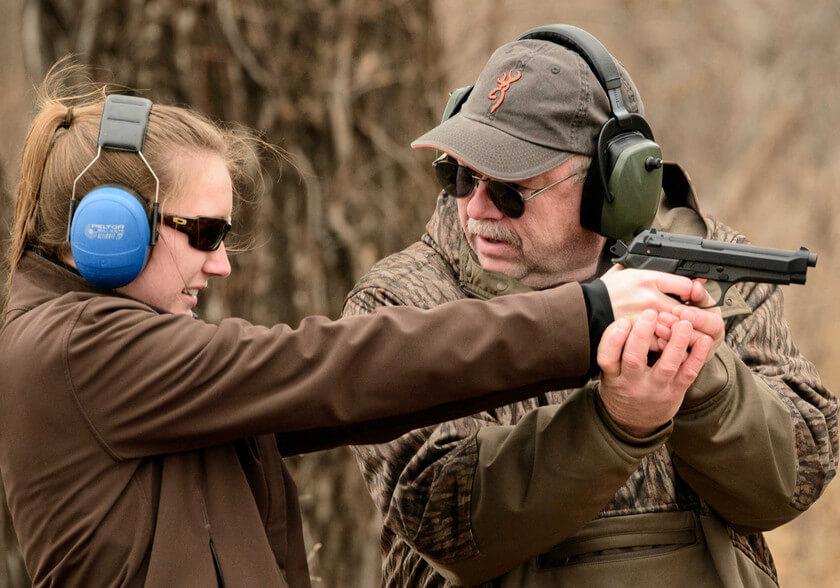
Training should always occur under professional supervision in a safe and controlled environment. Furthermore, every gun owner should understand local self-defense laws before carrying a firearm.
I regularly encourage people to study legal protection programs and self-defense education resources. Responsible ownership involves far more than simply learning how to shoot.
Final Thoughts on Point Shooting Techniques
After studying defensive handgun methods, I understand why many shooters continue practicing point shooting today. The technique offers speed and natural movement during close-range encounters.
At the same time, I recognize its weaknesses at greater distances. Because of that, I believe balanced firearms training produces the best results.
Ultimately, point shooting works best when combined with judgment, awareness, and consistent practice. Defensive skills require discipline, patience, and responsibility at every step.