Jeff Cooper Principles Changed the Way I View Personal Defense
When I first studied Jeff Cooper principles, I quickly realized they involved far more than firearms. Instead, they focused on mindset, awareness, and preparation. Over time, I learned these lessons apply to everyday life, whether I am walking through a parking lot, driving home at night, or protecting my family.
In many ways, personal defense starts long before danger appears. Therefore, I learned that awareness and preparation often prevent problems from escalating. Jeff Cooper understood this reality, and his teachings continue to influence civilians, law enforcement officers, and military professionals worldwide.
If you want to strengthen your personal safety skills, I recommend studying reputable training resources such as U.S. LawShield and reviewing additional situational awareness articles on PSNC.
Alertness Helps Me Recognize Danger Early
The first lesson I embraced involved alertness. Cooper often emphasized the importance of remaining aware without becoming paranoid. Because of that, I now pay closer attention to people, movement, entrances, exits, and unusual behavior around me.
Cooper described this awareness through his famous color code system. In particular, Condition Yellow represents a relaxed state of alertness. I believe this mindset helps me avoid distraction while remaining calm and collected.
For example, when I walk into a store, I immediately notice exits and observe the general atmosphere. Likewise, when I stop at a gas station late at night, I avoid burying my attention in my phone. These small habits may seem simple. However, they can create valuable reaction time during a dangerous situation.
According to the National Crime Prevention Council, situational awareness remains one of the most effective crime prevention tools available to the public.
Jeff Cooper Principles and Situational Awareness
Situational awareness requires consistent practice. Therefore, I challenge myself to observe details everywhere I go. I look for suspicious behavior, blocked exits, poor lighting, or anything that feels abnormal.
In addition, I avoid complacency because criminals often target distracted victims. Cooper believed awareness alone could prevent many violent encounters, and I strongly agree with that assessment.
Decisiveness Matters During a Crisis
Once I recognize danger, hesitation can become dangerous. Consequently, decisiveness plays a critical role in survival.
Cooper taught that people must rapidly evaluate threats and choose a course of action. Sometimes that means escaping immediately. Other times, it may require defending yourself or protecting loved ones.
I learned that indecision wastes valuable time. Therefore, I mentally rehearse possible scenarios before they happen. This preparation helps reduce panic and improves my confidence under stress.
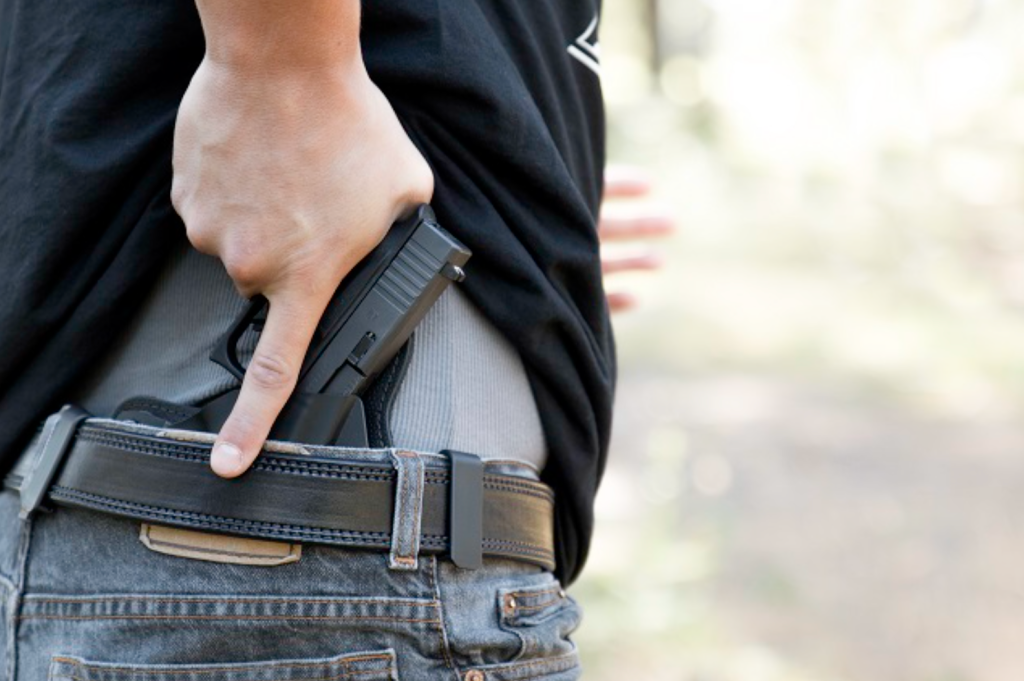
Moreover, decisiveness includes understanding the legal consequences of self-defense. Before carrying a firearm or other defensive tool, I believe every responsible citizen should carefully study state laws. Resources from U.S. LawShield Legal Defense for Self Defense provide useful legal education for armed citizens.
Controlled Aggressiveness Can Save Lives
Many people misunderstand Cooper’s concept of aggressiveness. He never encouraged reckless behavior. Instead, he promoted controlled and focused action during life-threatening events.
If I ever face a violent attack, I understand half-hearted actions could place me in greater danger. Therefore, once I commit to defending myself, I must act with determination and purpose.
At the same time, I also recognize that avoidance remains the best option whenever possible. Cooper consistently stressed responsibility and discipline alongside defensive readiness.
Because of that balance, his teachings continue to influence modern self-defense programs today.
Speed and Surprise Create Tactical Advantages
Another lesson I respect involves speed and surprise. In dangerous encounters, criminals often expect hesitation or panic. Therefore, rapid, unexpected action can disrupt their plans.
However, speed does not simply mean moving fast physically. It also means thinking clearly under pressure. I discovered that mental preparation dramatically improves reaction time.
For example, practicing emergency scenarios helps me respond more efficiently during stressful moments. Likewise, repeated training reduces confusion and improves confidence.
The reality remains simple. Under pressure, people usually fall back on their training level. Because of that truth, repetition becomes essential.
Practice Builds Confidence and Coolness
Cooper also emphasized coolness under stress. In other words, he believed calm thinking improves survival during emergencies.
I noticed that confidence grows through repetition. The more I train, the more comfortable I become handling pressure. As a result, my mind stays clearer during stressful situations.
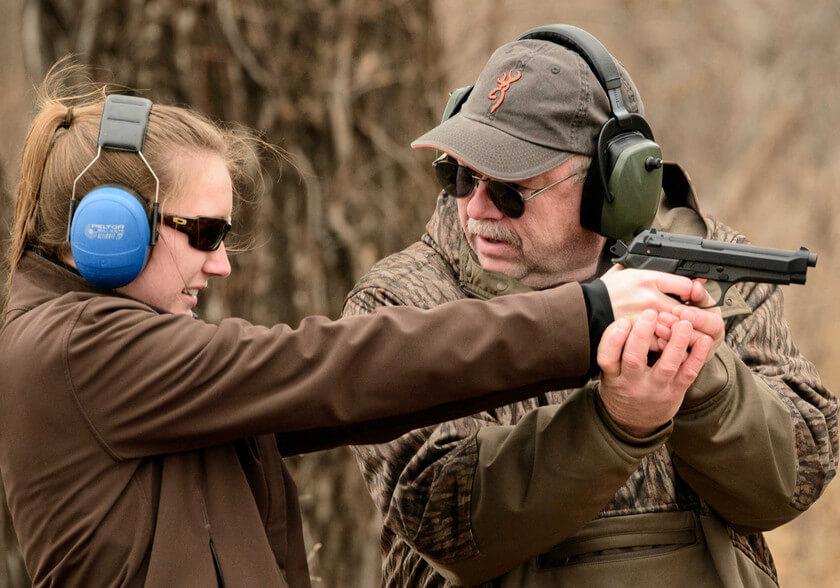
Training does not always require firearms. Instead, I practice awareness drills, verbal de-escalation, emergency planning, and defensive movement. These skills strengthen my overall preparedness.
Additionally, I encourage responsible citizens to seek professional instruction whenever possible. Trusted organizations such as Gunsite Academy continue teaching many of Cooper’s defensive concepts today.
Mental Preparation Remains Essential
One lesson stands above the rest for me. Personal defense begins in the mind.
Cooper believed survival depended on mental readiness as much as physical skill. Therefore, I regularly think through potential emergencies before they happen.
I ask myself important questions:
- Where are my exits?
- What would I do during an attack?
- How can I protect family members?
- When should I avoid confrontation entirely?
These mental exercises improve preparedness without creating fear. Instead, they create confidence and awareness.
Why Jeff Cooper Principles Still Matter Today
Even decades later, Jeff Cooper principles remain relevant because violence still exists in everyday life. Criminals continue targeting distracted and unprepared people. Therefore, awareness and preparation matter now more than ever.
I believe Cooper’s teachings provide practical guidance for ordinary citizens who want to protect themselves responsibly and legally.
Final Thoughts on Personal Defense
The most important lesson I learned from Cooper involves responsibility. Personal defense requires discipline, awareness, and continuous improvement.
Alertness helps me identify danger early. Decisiveness helps me respond quickly. Controlled aggressiveness helps me act effectively if escape fails. Most importantly, training and repetition strengthen every one of these skills.
In the end, preparation creates confidence. Confidence reduces panic. Furthermore, calm and prepared people make better decisions during dangerous moments.
If you want to continue improving your personal security knowledge, visit PSNC Personal Security News Center for additional articles and training insights.