I have spent years studying firearms training, law enforcement preparation, and personal security issues. However, after reading about a North Carolina correctional officer injured during a training exercise, I started looking at firearm recoil safety training in a completely different way. This incident reminded me that even experienced professionals can face danger when recoil and weapon malfunctions are underestimated.
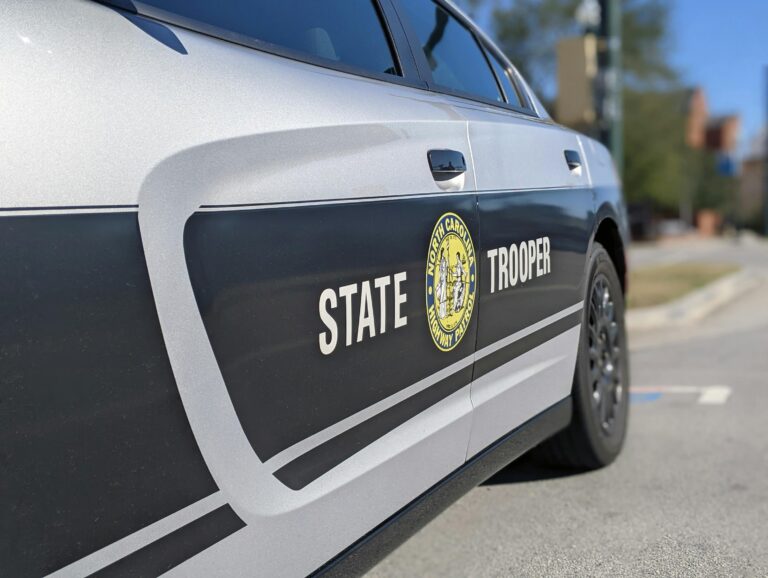
According to reports from law enforcement sources, the officer suffered a severe arm injury after a firearm malfunction caused violent recoil during a vehicle-based training drill. Incidents like this show why firearm recoil safety training should remain a priority for every shooter, regardless of experience level.
For additional firearm safety information, I recommend reviewing resources from the Federal Bureau of Investigation and the National Institute of Justice.
What I Learned From the North Carolina Training Accident
I believe many shooters become comfortable after years of handling firearms. Unfortunately, comfort can slowly turn into complacency. In this case, officers were practicing realistic vehicle scenarios when a malfunctioning weapon suddenly produced extreme recoil. The firearm struck the correctional officer and caused a serious laceration that required hospitalization.
Thankfully, the officer survived and is expected to recover. Still, the situation forced me to think more carefully about how quickly routine firearms training can become dangerous.
The official training environment was controlled. Nevertheless, one malfunction changed everything within seconds.
Why Firearm Recoil Safety Training Matters
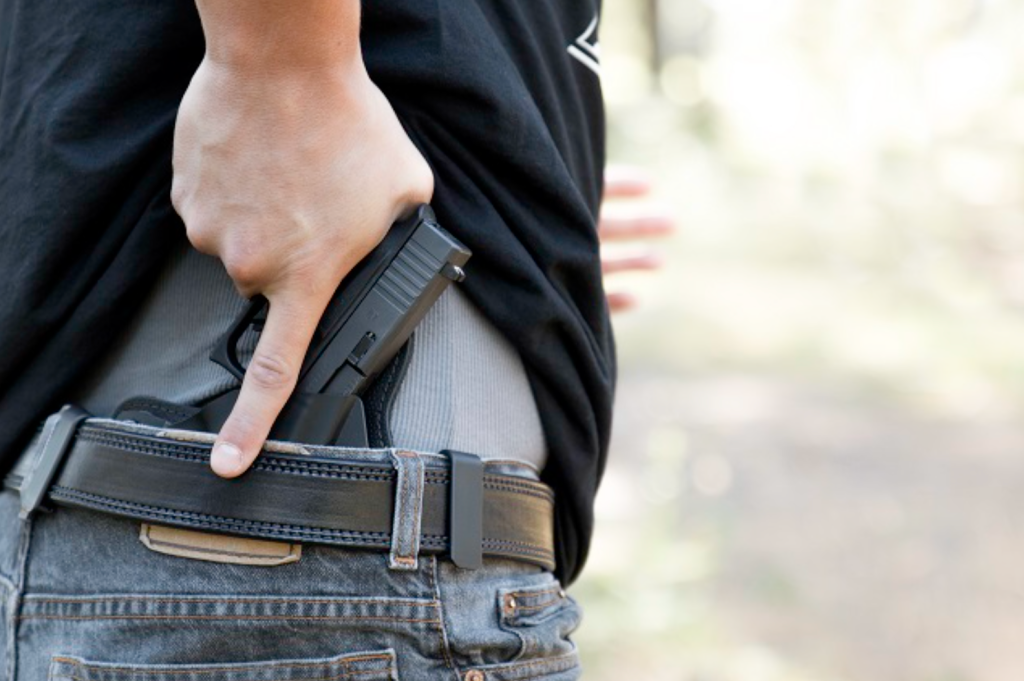
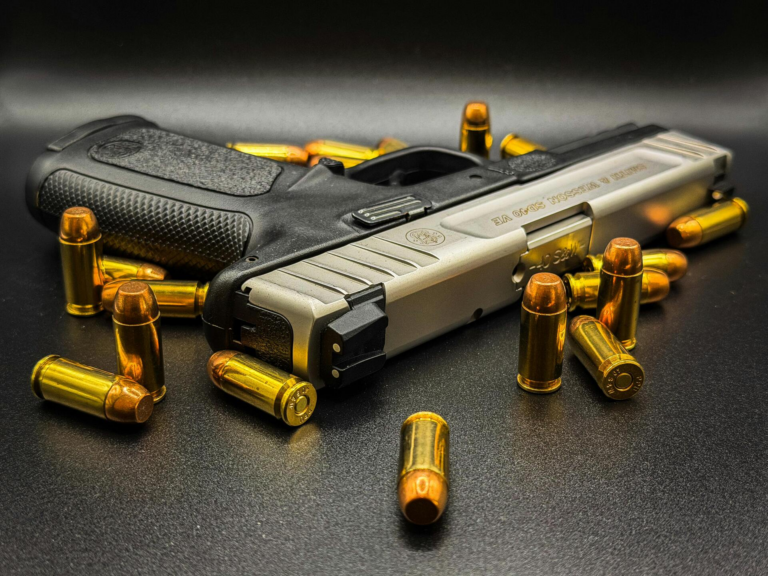
I have noticed that many people treat recoil as a mere annoyance rather than a serious physical force. Every firearm transfers energy backward into the shooter. Under normal conditions, shooters manage that force safely. However, when a malfunction occurs, recoil can become violent and unpredictable.
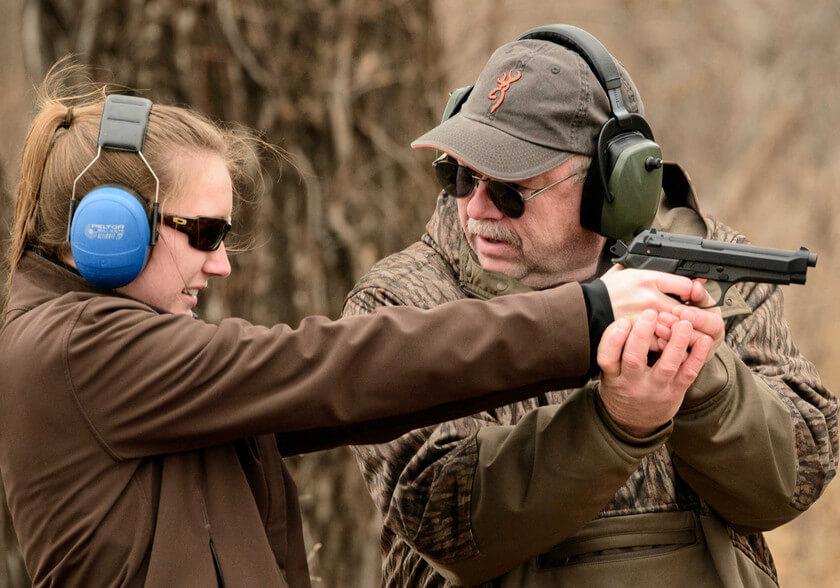
Because of that reality, firearm recoil safety training must include more than standing still and shooting at paper targets. I believe shooters need realistic scenario training that teaches weapon control under pressure, awkward shooting positions, and malfunction recognition.
The North Carolina Department of Adult Correction and other agencies routinely conduct this type of advanced preparation because real-world encounters rarely happen under ideal conditions.
Can Suppressors Help Reduce Recoil
I often hear people misunderstand suppressors. They do not eliminate sound, yet they can reduce felt recoil by slowing and redirecting gases leaving the barrel.
That reduction may improve firearm control during long training sessions. Even so, suppressors also add weight and length to the weapon. In tight spaces or fast-moving scenarios, that added bulk may create handling problems.
As a result, I view suppressors as helpful tools instead of complete solutions.
The Biggest Lesson I Took Away
This incident reinforced one important truth for me. Preparation matters more than equipment.
Proper grip, stance, awareness, maintenance, and realistic drills all work together to improve firearm safety. Most importantly, I believe firearm recoil safety training gives shooters the confidence and muscle memory needed to react when something unexpected happens.