
Revolver grip and trigger control are two skills I take seriously every time I handle a revolver. Before I think about accuracy, speed, or confidence, I think about safety. I keep the muzzle pointed in a safe direction, keep my finger off the trigger until I am ready to shoot, and treat every firearm with care. Those basic rules are the foundation of responsible shooting. (NSSF)
Building a Safe and Steady Grip
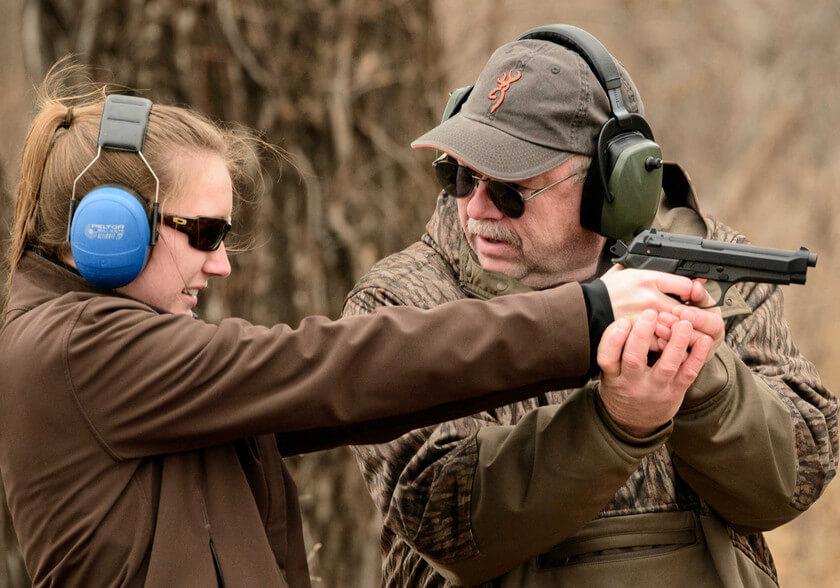
When I pick up a revolver, I start with a firm grip that does not create unnecessary tension. I place the web of my shooting hand high on the backstrap. Then I wrap my fingers securely around the grip.
Next, I bring in my support hand. I use it to strengthen the grip and help manage recoil. However, I also stay aware of the revolver’s cylinder gap and keep my hands clear of escaping gases.
Revolver Grip and Trigger Control Start With Finger Placement
Trigger finger placement matters because a poor trigger press can move the sights off target. Some shooters use the pad of the finger. Others prefer the first joint, especially with a heavier double-action revolver trigger.
For me, the best choice is the position that lets me press the trigger straight back without pulling the gun sideways. Therefore, I test both positions during dry practice and live fire. I look for the placement that gives me the cleanest press and the least sight movement.
Pressing the Trigger Smoothly
I do not slap or jerk the trigger. Instead, I apply steady pressure straight to the rear. I keep my focus on the front sight and let the shot break without forcing it.
After the shot, I allow the trigger to reset slowly. Then I prepare for the next shot. This rhythm helps me avoid rushing, which often causes poor accuracy.
Managing Recoil and Follow Through
Recoil management starts before the shot. A secure grip, locked attention, and steady pressure help me keep the revolver under control. In addition, I keep my eyes on the sights after the shot breaks.
Follow through keeps me honest. If I lower the revolver too quickly or relax too soon, I lose control of the process. As a result, I train myself to finish every shot before thinking about the next one.
Practice With Safety First
I practice slowly before I try to shoot faster. Accuracy comes from consistency, not force. When I train, I focus on grip, sight alignment, trigger press, reset, and follow-through.
Most importantly, I never let technique replace safety. I keep my finger off the trigger until my sights are on target and I have decided to fire. That one habit prevents many dangerous mistakes. (NRA Family)
Final Thoughts on Revolver Grip and Trigger Control
The more I practice revolver grip and trigger control, the more confident I become. A good grip helps me manage recoil. A smooth trigger press helps me protect accuracy. Together, those skills make every range session safer and more productive.
For more related safety topics, you can link internally to a Personal Security News article on lawful self-defense or safe firearm storage at psnc.info.