

A Real Life Lesson in Situational Awareness
I am forty-eight years old, average in every measurable way, have a mortgage, two kids who do not call enough, and a car that squeaks every morning. Signing up for a concealed carry class because my brother kept pushing me, and because it felt like something a grown man should know how to do, but never realized the Quiet Weapon,Train your memory
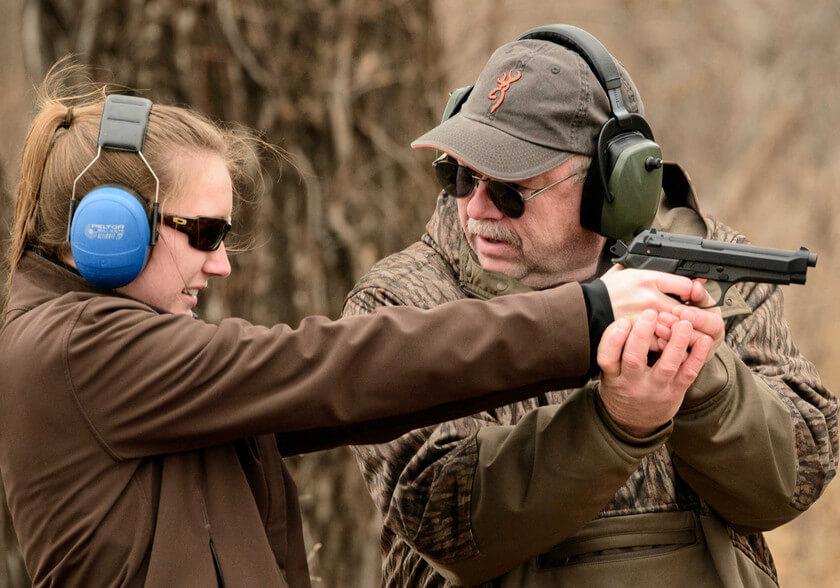
The instructor was a retired detective with a slow and deliberate way of speaking. On the first day, he surprised everyone by spending most of the class not on shooting or holsters, but on how to remember what you see.
“Your software is the weapon you will use first,” he told us. “Not the hardware.”
He explained a visualization method designed for witnesses. It turns your memory into a system you can rely on, rather than something that fails under stress. He made one point clear. You may not have your weapon when it matters, but you will always have your memory.
Two weeks later, I understood exactly what he meant.
A Real Life Store Robbery
It was a gray Tuesday afternoon when I walked into Ollie’s to grab light bulbs and a few other things. The store was calm. People were shopping quietly.
Then the front door slammed open.
A man rushed in wearing a backward cap and a hoodie. His voice was sharp and loud. He shouted for the registers to be emptied. His hand stayed inside his pocket, and I could not see what he was holding, but my body recognized the threat instantly.
Everything slowed down. One cashier froze. Another began to cry. Someone screamed.
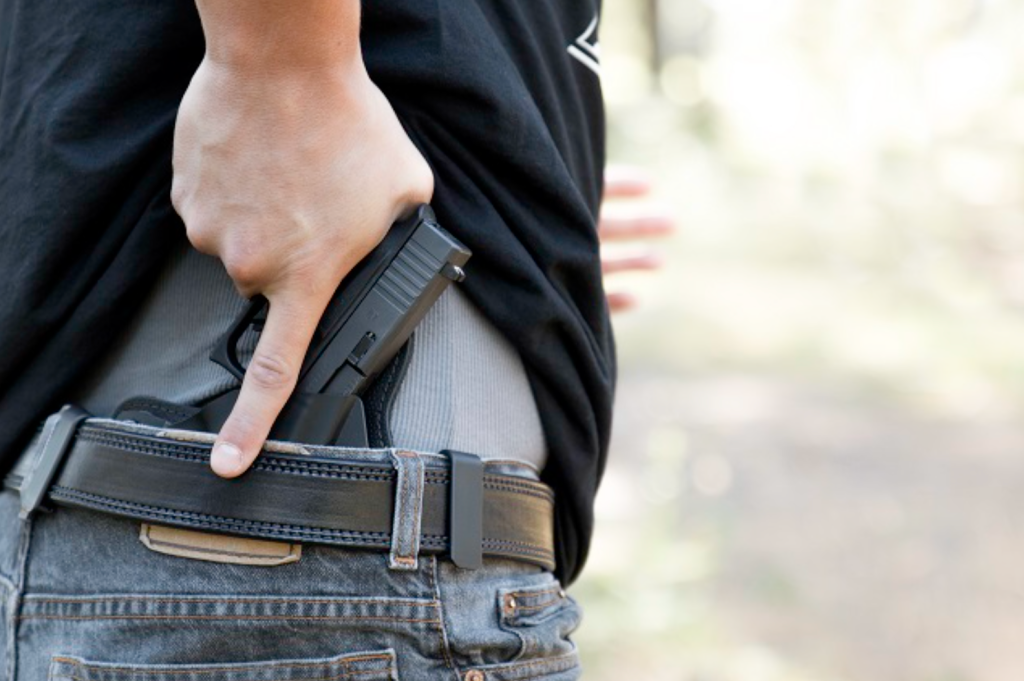
For a moment, I thought about the small revolver on my ankle. Then I heard the instructor’s voice in my head.
Use your software.
The Visualization Technique That Changed Everything
Instead of reacting emotionally, I followed the method we were taught.
The idea is simple. Focus on a short list of details and lock them into memory using strong mental images.
Here is what you focus on:
- Face
- Clothing
- Voice
- Distinctive features
- Direction of movement
- Vehicle
- License plate
You do not try to remember everything. You build a short mental sequence to replay later.
Building the Mental Slideshow
I created a mental slideshow in real time.
First, the face. His left eyebrow had a jagged scar. I pictured it as a sharp mountain peak. His eyes were close together. His voice sounded rough, like sandpaper.
Second, clothing. He wore a faded navy hoodie with a loose white thread hanging from the cuff. I imagined that thread as a bright ribbon to make it stand out.
Third, movement. He walked lightly, almost on his toes. I pictured it like a puppet moving across the floor. When he stepped down near the register, I noticed a slight limp in his left leg.
Fourth, the escape. He rushed out quickly. I watched without following. Between two vehicles, I saw a flash of a metallic blue car and part of a license plate.
Instead of trying to memorize it directly, I broke it into pieces and turned each part into a simple image. Then I repeated it in my head.
Why Writing It Down Matters
Once everything had settled and the police were on the way, I wrote down what I remembered.
This step is critical. Writing things down while the memory is fresh strengthens recall and preserves accuracy.
I noted the scar, the hoodie thread, the limp, the voice, the vehicle color, and the license plate pattern.
The next day, I met with a detective and walked him through everything.
Within forty-eight hours, they had a suspect.
The Outcome
The suspect had a prior record and matched the physical details. Surveillance confirmed the vehicle and route.
I never touched my firearm that day.
And that is the point.
Being calm, observant, and accurate helped solve the crime without making the situation worse.
The Real Lesson About Personal Safety
Most people believe self-defense is about action.
In reality, it is often about awareness.
The ability to observe, remember, and report clearly can be more valuable than any weapon.
That day proved it.
Daily Visualization Training Routine
If you want to improve your situational awareness and memory, use this simple daily routine.
Step 1: Set a Clear Goal
Choose one focus area. This could be faces, clothing, or license plates. Keep it simple and specific.
Step 2: Use Memory Anchors
Turn details into vivid mental images.
- A scar becomes a mountain
- A thread becomes a ribbon
- A rough voice becomes sandpaper
- A limp becomes a hopping motion
The more unusual the image, the easier it is to remember.
Step 3: Practice the Three-Slide Method
Create a short mental sequence:
- First slide: face or voice
- Second slide: clothing or features
- Third slide: movement, direction, or vehicle
Keep each image short and easy to replay.
Step 4: Do Simple Daily Exercises
Practice in everyday situations.
While shopping, observe one person and remember three details about them.
Look at a photo for ten seconds and recall what you saw.
Practice remembering license plates by breaking them into small parts.
Listen to someone speak and describe their voice in one word.
Step 5: Write It Down
After each exercise, write down a few details. This strengthens your memory and shows you what you missed.
Step 6: Improve Over Time
Use these tips:
- Make images exaggerated
- Break long information into smaller parts
- Connect details to emotions
- Avoid focusing on only one thing
- Practice under time pressure
Step 7: Avoid Common Mistakes
Do not try to remember everything. Focus on three key details.
Avoid vague descriptions. Make your memory visual and specific.
Always rehearse your mental sequence at least once.
Step 8: Weekly Plan
Practice for five to ten minutes daily.
Twice a week, focus on license plates and timed recall.
At the end of the week, review your notes and improve your technique.
Final Thoughts
Visualization is not a trick. It is a skill.
When you train it consistently, your ability to recall details improves quickly.
In high-stress situations, your mind will revert to what you have practiced.
Stay calm. Observe. Remember clearly.
That is how you help solve a crime without becoming part of one.