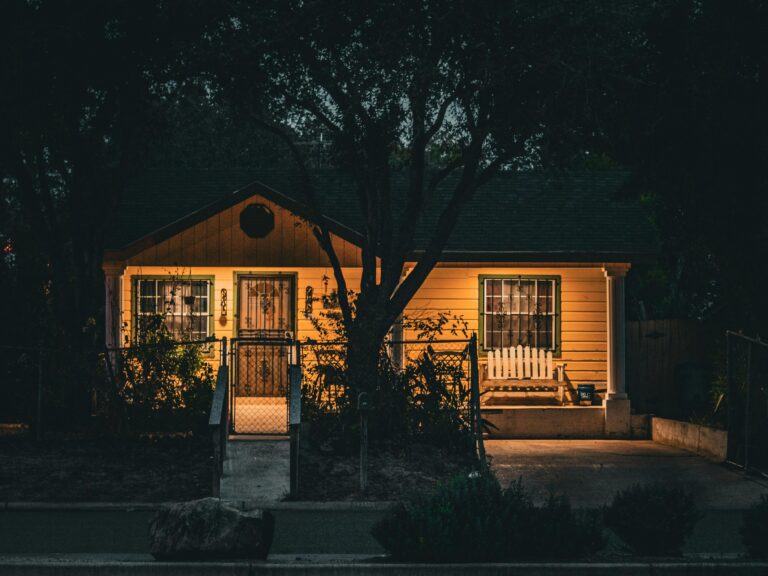


I sat on my front porch one evening in one of the quietest neighborhoods I have ever lived in. Children rode bicycles through the street while porch lights flickered on before sunset. Nothing looked unusual, which is exactly why the conversation I had that night stayed with me.
My neighbor Mark, a retired law enforcement officer who now works in private security consulting, stopped by to talk for a while. His colleague Lisa joined him shortly after. She works as a cybersecurity analyst who focuses on residential security systems. I casually asked about my doorbell camera, expecting a quick answer. Instead, the discussion completely changed how I look at home protection.
Why Home Security Signal Interference Matters
Mark leaned back in his chair and told me something I did not expect.
He explained that investigators across several states have observed cases in which wireless cameras suddenly freeze during a burglary. In some situations, the cameras stop uploading video or disconnect entirely while the crime is in progress. Then, moments later, the systems reconnect as if nothing happened.
Lisa explained that many investigators suspect intentional Wi Fi disruption in certain cases. Criminals are no longer targeting only locks and windows. Some now target the technology homeowners depend on every day.
That statement caught my attention immediately because I had always trusted my wireless system without question.
The Weak Spot in Wireless Security
As our conversation continued, Mark explained that the issue often comes down to relying entirely on cloud-based systems. If a camera depends on Wi Fi for alerts and recording, a temporary interruption can create a dangerous gap.
Lisa compared it to losing your only line of communication during an emergency.
Hearing that made me rethink my entire setup. I realized I had never considered what would happen if my internet connection suddenly disappeared during a break-in.
According to the Federal Bureau of Investigation, homeowners should routinely inspect and strengthen residential security systems to reduce vulnerabilities. You can review burglary prevention guidance here:
The Changes I Made to My Security Setup
Before Mark left, he gave me practical advice that made sense immediately.
First, he recommended cameras that store footage locally through memory cards or home recording devices. That way, recordings continue even if the internet drops.
Next, Lisa suggested adding a cellular backup to my alarm system. If Wi-Fi fails, alerts can still go out via a separate network.
I also upgraded my outdoor lighting and tested my audible alarm system. Those simple improvements made my home feel more secure without turning it into a fortress.
Most importantly, Mark told me never to ignore a camera that suddenly disconnects.
That warning stuck with me.
Staying Prepared Without Living in Fear
Living in a safe neighborhood can create a false sense of security. I learned that criminals adapt quickly, and technology now plays a major role in modern burglaries.
Today, I see home protection differently. A robust security setup should continue to function even if one layer fails. That mindset changed how I protect my home and family.
For additional crime prevention resources, I also reviewed guidance from the National Crime Prevention Council here: https://www.ncpc.org