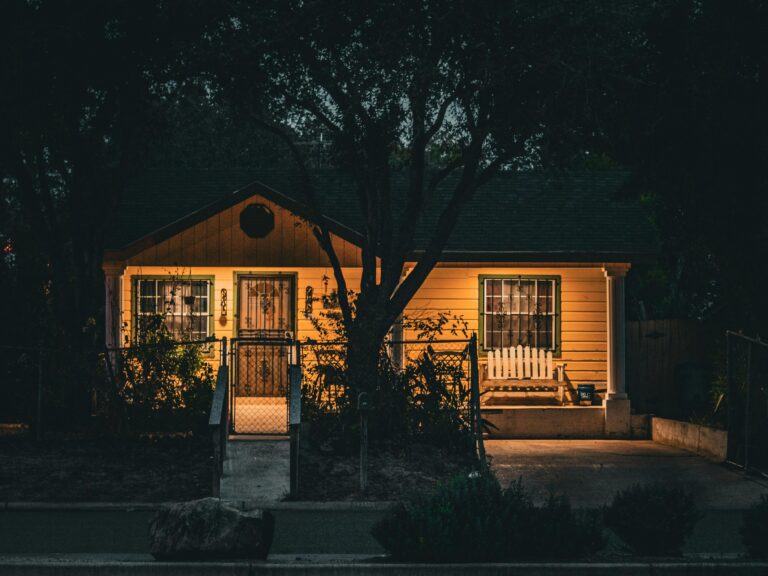

I have always preferred quiet nights on my farm. The kind of silence that settles over open fields after dark once gave me peace of mind. However, that peace slowly disappeared when someone began moving through my property late at night. Over time, I learned that low-profile home defense techniques work best when they focus on observation, documentation, and lawful action instead of confrontation.
According to public guidance from the Federal Bureau of Investigation and crime prevention resources published by the National Crime Prevention Council, consistent documentation and awareness often help law enforcement identify patterns of criminal activity more effectively than emotional reactions.
When I Realized Someone Was Watching My Property
At first, the signs seemed minor. I found a boot print near the porch steps one morning. A few days later, I noticed fresh tire tracks near the gate. Then I discovered crushed grass behind the barn where nobody should have been walking.
Although I wanted to dismiss the activity as harmless trespassing, the pattern kept repeating. Eventually, my trail camera captured a shadow moving near the equipment shed at two in the morning. That moment changed everything.
Instead of reacting aggressively, I decided to build a system that focused on evidence.
Building a Quiet Observation System
I started with simple tools that blended naturally into the property. Along the driveway and near entry points, I built shallow sand trays protected from rain and wind. Every morning, I inspected them carefully for footprints and tire impressions.
Meanwhile, I installed trail cameras near the treeline and barn entrances. One infrared camera watched the back porch throughout the night.
I photographed every footprint beside a ruler for scale and organized each image by date and time. Although the photos never showed a perfect face, they revealed important details such as worn boot soles, a damaged pant leg, and a noticeable limp.
Eventually, one camera captured part of a pickup truck with a visible dent and a partial license plate.
Turning Evidence Into a Pattern
As the weeks passed, I noticed consistent behavior. The same tire tread appeared repeatedly near the gate. Footprints followed identical paths across the property. Most activity happened during the same overnight hours.
Because I documented everything carefully, I created a clear timeline instead of isolated incidents.
When I finally contacted the sheriff’s office, I presented organized evidence instead of speculation. Deputies reviewed printed photographs, timestamps, and written observations. One investigator later explained something that stayed with me.
A single complaint may not establish much. However, repeated activities supported by evidence create a pattern that investigators can follow.
Why Low Profile Home Defense Techniques Matter
This approach worked because I stayed within the law while remaining disciplined. I avoided traps, reckless confrontations, and anything that could expose me to legal liability.
Instead, I focused on:
- Consistent documentation
- Visible and lawful surveillance
- Organized records
- Cooperation with law enforcement
- Observation instead of emotion
Eventually, investigators linked the repeated trespasses to a specific individual operating in the area.
Final Thoughts
These low-profile home defense techniques gave me more than security. They gave me clarity and confidence. Instead of guessing what happened at night, I understood exactly what patterns existed on my property.
Today, the cameras still operate quietly along the driveway. The sand trays remain near the porch and gate. Most mornings, however, the surface stays untouched.
And that silence feels earned again.
For additional crime prevention guidance, visit: https://www.security.org/security-cameras/legality/ and
https://content.ces.ncsu.edu/land-ownership-liability-and-the-law-in-north-carolina