North Carolina Self Defense Laws Every Gun Owner Should Know
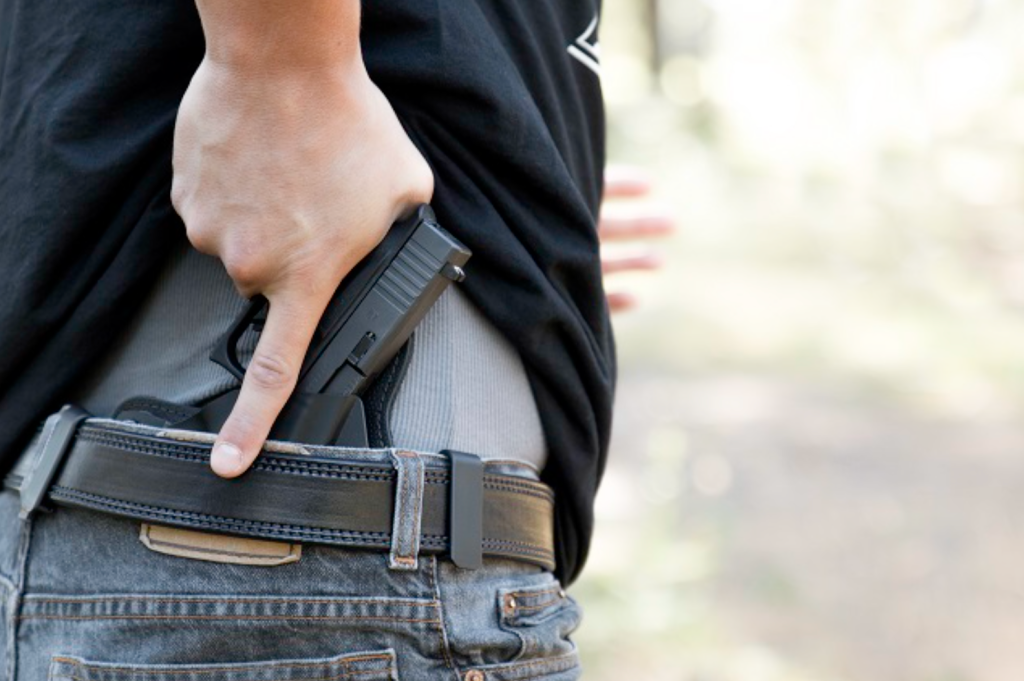
As a North Carolina resident, I believe understanding North Carolina self-defense laws is one of the most important parts of responsible firearm ownership. Carrying a firearm brings serious responsibility. Therefore, I make it a priority to know when the law allows the use of force and when it does not.
North Carolina gives citizens strong legal protections when they face violent threats. In many situations, I have the legal right to defend myself, my family, and my property without a duty to retreat. However, that right comes with strict limitations. Because of that, I never assume every dangerous situation justifies deadly force.
According to North Carolina General Statutes§14-51.2, the law allows defensive force, including deadly force, under specific conditions. In addition, the law outlines circumstances in which deadly force is prohibited.
When I Can Legally Use Deadly Force
Under North Carolina law, I may use deadly force if I reasonably believe someone is unlawfully and forcibly entering my home, vehicle, or workplace. The law also protects me if someone attempts to remove me from those locations against my will.
For example, if an armed intruder kicks in my front door late at night, the law generally recognizes my right to defend myself. Likewise, if someone violently tries to drag me out of my vehicle during a carjacking, I may have legal justification to respond with force.
However, I understand that the keyword is “reasonable.” Investigators, prosecutors, and possibly a jury will examine every action after the incident. Because of that, I know I must clearly articulate why I believed my life faced immediate danger.
The North Carolina Judicial Branch provides additional legal resources for residents who want to further study state law.
The Castle Doctrine in North Carolina
Many gun owners refer to these protections as the Castle Doctrine. In simple terms, I do not have a legal duty to retreat from an intruder inside my home, vehicle, or workplace before defending myself.
That protection matters because violent encounters happen quickly. During a home invasion, I may not have time to escape safely. Instead, the law recognizes my right to stand my ground under lawful circumstances.
Still, I remind myself that every situation differs. If a threat ends and the attacker flees, my legal justification for force may disappear immediately. Therefore, chasing a fleeing suspect could place me in serious legal jeopardy.
Situations Where Deadly Force Is Not Legal
North Carolina law also explains when deadly force is prohibited. I cannot legally use deadly force against someone who has a lawful right to be on the property. For instance, disputes between tenants, owners, or lawful occupants often involve complicated legal questions.
Likewise, the law does not permit the use of deadly force against law enforcement officers performing official duties. That includes officers serving warrants or emergency responders entering property lawfully.
In addition, I cannot use deadly force against someone already in my custody or care, such as a child or grandchild. The law places clear limits on the use of defensive force, even inside the home.
Because of these restrictions, I believe every firearm owner should seek quality legal education before carrying a firearm for personal protection.
Why Training Matters More Than Gear
I have learned that owning a firearm alone does not prepare someone for a violent encounter. Legal knowledge, situational awareness, and decision-making matter just as much as marksmanship.
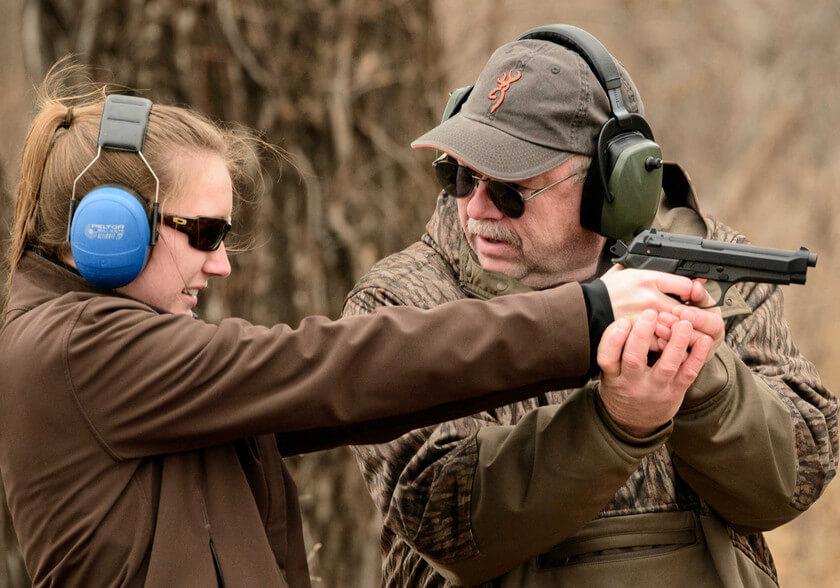
For that reason, I regularly encourage responsible gun owners to seek professional instruction. A good training course teaches far more than shooting fundamentals. It also covers de-escalation, lawful use of force, conflict avoidance, and post-incident actions.
I also recommend reviewing articles and resources from PSNC.info for additional personal security discussions and training topics.
Protecting Yourself Before Trouble Starts
In my experience, avoiding dangerous situations remains the best form of self-defense. I pay attention to my surroundings, avoid unnecessary confrontations, and maintain an emergency plan.
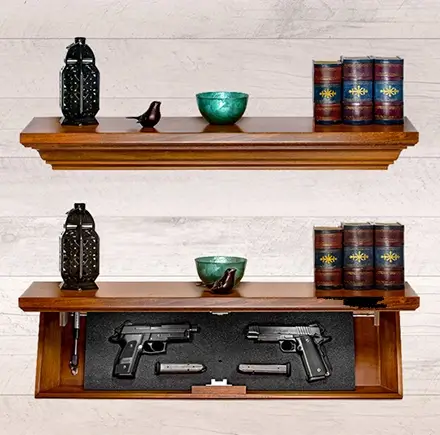
Situational awareness often gives me time to escape danger before force becomes necessary. In addition, secure doors, quality lighting, cameras, and safe firearm storage help protect my family long before a confrontation occurs.
Most importantly, I remember that every self-defense incident carries emotional, financial, and legal consequences. Therefore, I never take the use of force lightly.
Final Thoughts on North Carolina Self-Defense Laws
Understanding North Carolina’s self-defense laws helps me make smarter, safer decisions. While the law allows me to defend myself under certain circumstances, it also requires sound judgment and restraint.
I believe responsible firearm ownership means staying educated, training consistently, and understanding the legal boundaries of force. Preparation today can prevent devastating mistakes tomorrow.
Recommended Resources
- FREE Reciprocity Map Use Promo Code PSTC
- FREE Gun Law Update for Your State Use Promo Code PSTC
- Keep You and Your Family SAFE with Tactical Traps
- Try US Law Shield FREE for 30 Days