Concealed Carry Training Journey Begins With the Basics
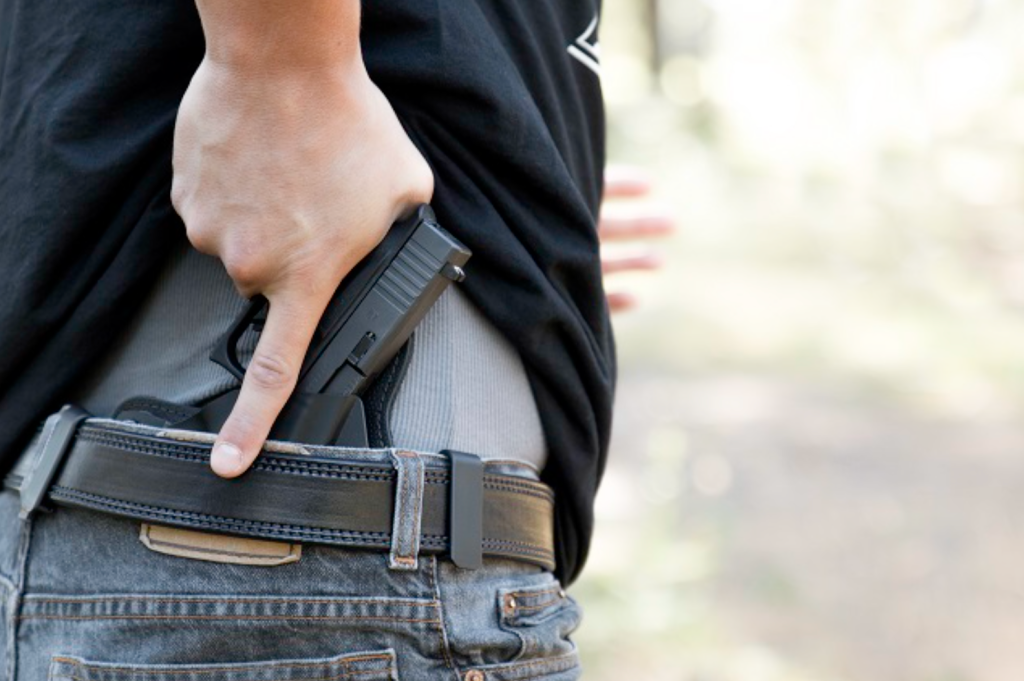
When I first became a concealed carry licensee, I thought the hardest part would involve learning how to shoot accurately. However, I quickly realized that carrying a firearm responsibly requires much more than hitting a target. My training became a lifelong commitment that shaped my mindset, discipline, and daily awareness.
I learned early that every responsible armed citizen needs a strong foundation. Without it, skills fade, and confidence weakens under pressure. Because of that, I continue to train regularly and refine the basics that keep me prepared.
In addition, I discovered that the lessons learned at the range carry into everyday life. Awareness, decision making, and emotional control matter just as much as marksmanship. Every training session reminds me that preparation never truly ends.
Why Fundamentals Matter More Than Gear
Many new licensees focus heavily on firearms, optics, and accessories. Although quality equipment matters, I learned that fundamentals matter far more. A skilled shooter with basic equipment will usually outperform an untrained shooter with expensive gear.
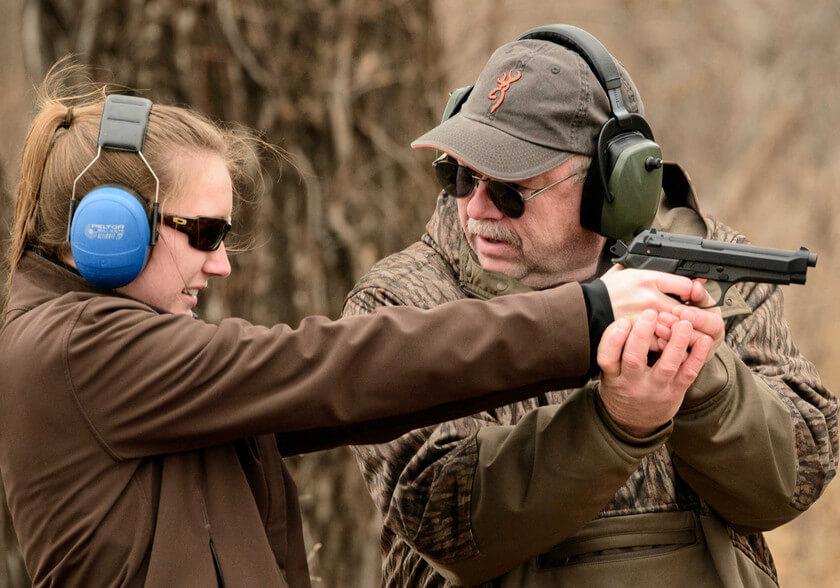
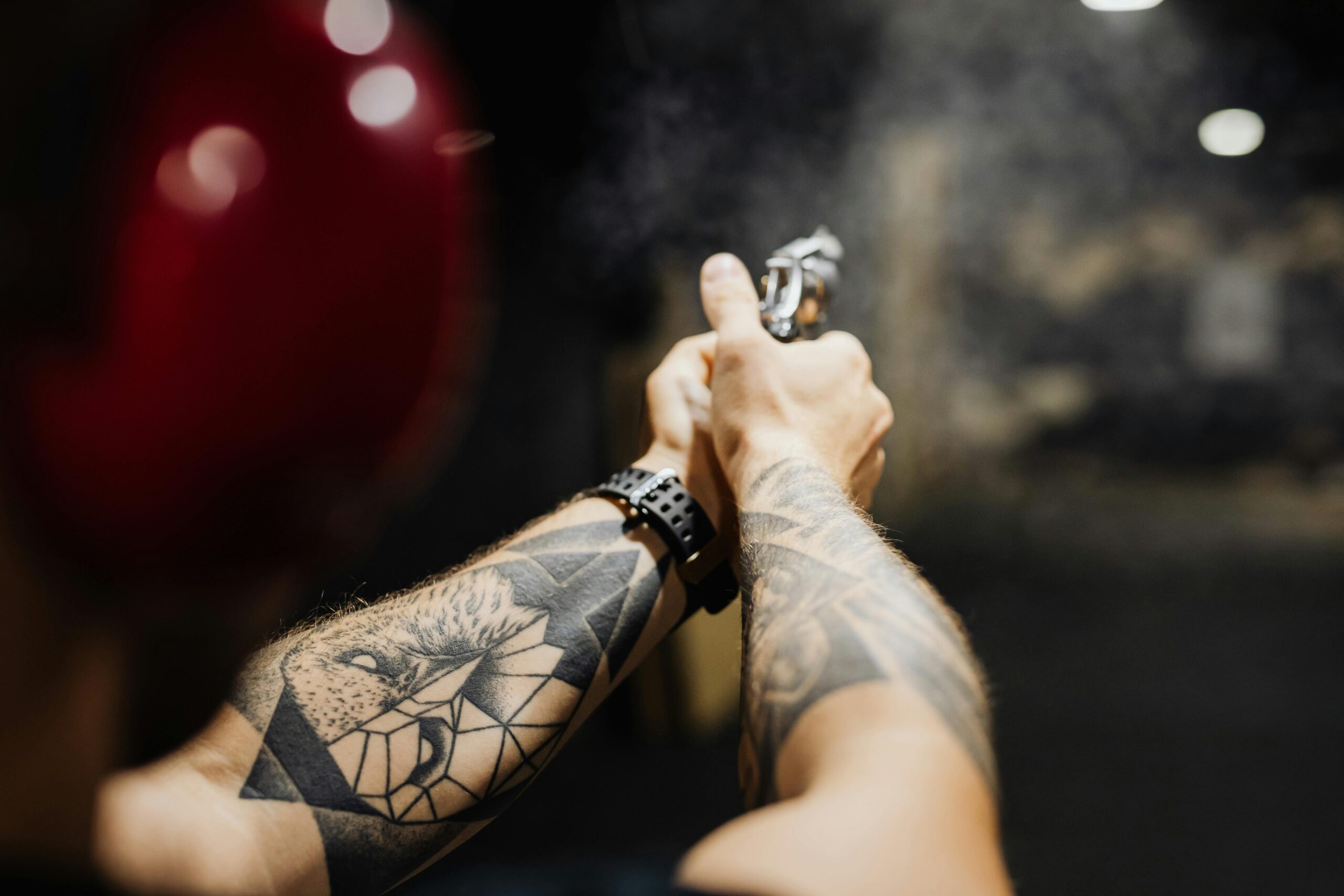
For me, marksmanship started with sight alignment, trigger control, and consistent practice. At first, I struggled with speed and accuracy. Over time, deliberate repetition improved my confidence and control.
Dry fire training became one of my greatest tools. Since I could practice safely at home, I built stronger habits without spending money on ammunition. More importantly, repetition helped my movements become automatic under stress.
I also learned that defensive shooting requires more than standing still at a lane. Real encounters happen quickly and unpredictably. Therefore, I began incorporating movement drills, timed exercises, and realistic defensive scenarios into my practice routine.
Situational Awareness Changed My Daily Mindset
One of the most valuable lessons I gained involved situational awareness. Before carrying concealed, I rarely paid close attention to my environment. Now, I constantly observe entrances, exits, suspicious behavior, and potential dangers around me.
This awareness does not create fear. Instead, it gives me confidence and preparation. I learned how to identify unusual behavior before problems escalate. Consequently, I often avoid dangerous situations entirely.
I practice awareness everywhere I go. Whether I walk through a parking lot, enter a store, or fuel my vehicle, I stay alert without becoming paranoid. These habits now feel natural because consistent training reinforced them over time.
In addition, I learned how body language often reveals intent. People communicate stress, aggression, and nervousness through movement and behavior. Recognizing those signs early can provide valuable time to react safely.
Training Under Stress Builds Better Decisions
Stress changes everything during a defensive encounter. Fine motor skills decline, heart rate increases, and clear thinking becomes difficult. Because of that, I realized that static-range practice alone would never fully prepare me.
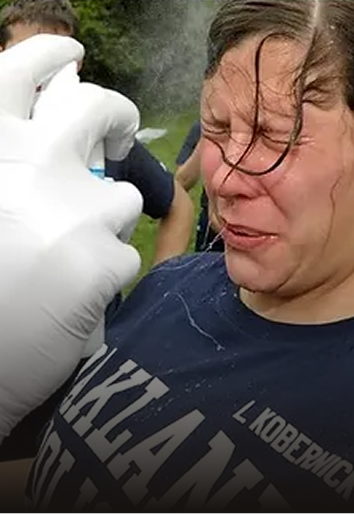
Force-on-force training opened my eyes to realistic decision-making. During scenario-based exercises, I experienced pressure, uncertainty, and rapidly changing situations. Those experiences taught me how quickly situations develop.
More importantly, I learned when not to use force. Good judgment remains one of the most critical skills any armed citizen can possess. Avoidance, de-escalation, and retreat often provide the safest solution.
I continue to train because stress exposes weaknesses. Every session reveals areas where I can improve. Although that process feels humbling at times, it ultimately strengthens my abilities and mindset.
Understanding Firearm Laws Never Stops
Responsible concealed carry extends far beyond firearms training. I also dedicate time to understanding changing firearm laws and self-defense statutes. Laws differ from state to state and can change quickly.
Because of that, I regularly keep up with legal updates and attend educational seminars. Staying informed helps me avoid costly mistakes and ensures I remain within the law.
I also learned that legal knowledge affects decision-making during emergencies. Understanding when force becomes legally justified matters just as much as knowing how to shoot accurately.
Therefore, I encourage every concealed carry licensee to study both state and federal laws consistently. Legal education should remain part of every training plan.
For additional firearm law resources and legal education, visit US Law Shield and the National Shooting Sports Foundation.
My Commitment to Continuous Improvement
My journey as a concealed carry licensee continues every single day. Training sharpened my confidence, awareness, and responsibility. It also reminded me that carrying a firearm demands humility and discipline.
I do not train because I expect danger around every corner. Instead, I train because preparation provides peace of mind. Every range session, every legal update, and every defensive drill strengthens my ability to protect myself and my loved ones responsibly.
Most importantly, I understand that no one ever masters this journey completely. Improvement never ends. That truth keeps me motivated to continue learning and growing.
If you carry concealed, commit yourself to the process. Train consistently. Study the law. Stay alert. Build habits that become second nature. In the end, preparation may become the most valuable tool you ever possess.