
Bank Jugging Awareness: How I Stay Alert After Leaving the Bank
I never thought much about what happened after I withdrew cash from the bank. However, after learning more about bank jugging awareness, I started paying much closer attention to my surroundings. Criminals continue to evolve their tactics, and many now focus on people carrying cash immediately after they leave a bank or ATM.
Today, I approach every banking trip differently. I stay alert, avoid distractions, and pay attention to anyone who seems out of place. That extra awareness can make the difference between getting home safely and becoming the next victim.
According to the Federal Bureau of Investigation, organized criminals often look for easy targets and predictable routines. Because of that, I changed several habits that once made me vulnerable.
What Bank Jugging Looks Like in Real Life
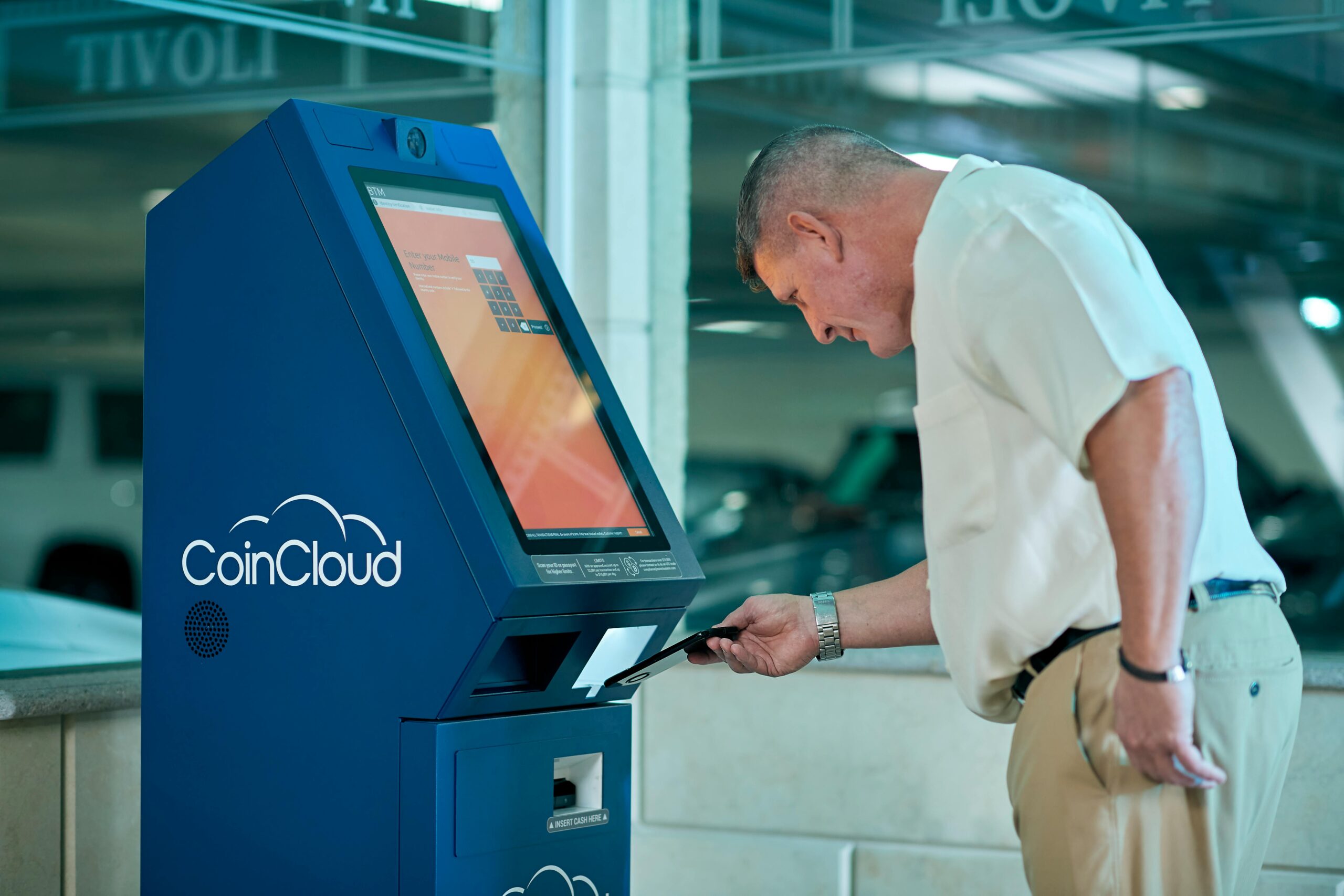
Bank jugging happens when criminals watch customers withdraw cash and then follow them to another location. In many cases, the suspects wait until the victim stops at another location before striking.
Sometimes the criminals target people in parking lots. Other times, they follow victims home or to work. I have even seen reports where criminals waited for drivers to stop for gas before breaking into vehicles.
The scariest part is how normal these criminals can appear. They may drive ordinary vehicles, dress casually, and avoid drawing attention to themselves.
Because of that, I now look for small warning signs instead of obvious threats.
Signs That Immediately Get My Attention
Bank Jugging Awareness Starts With Observation
When I pull into a bank parking lot, I scan the area before stepping out of my vehicle. That habit helps me spot unusual behavior early.
I pay close attention to:
- Vehicles parked without obvious occupants
- People sitting in cars while watching customers
- Individuals pacing near ATM areas
- Someone constantly using a cellphone while observing others
- Repeated eye contact from strangers near cash withdrawal areas
In addition, I look for people who do not appear to conduct actual banking business. Criminals often linger longer than normal customers.
If something feels wrong, I trust that instinct immediately.
How I Reduce My Risk After Withdrawing Cash
I Change My Routine Often
Criminals prefer predictable targets. Therefore, I avoid using the same ATM at the same time every week.
Instead, I rotate locations and vary my schedule whenever possible. That simple change makes surveillance much harder for criminals.
I Keep Cash Hidden Immediately
I never stand outside counting money or organizing receipts. Once I receive my cash, I put it away immediately.
I also avoid placing envelopes or bank bags in plain sight inside my vehicle. Visibility attracts attention, and attention creates risk.
I Stay Off My Phone
Distractions create opportunity. Because of that, I keep my head up instead of staring at my phone while walking through parking lots.
I want to notice movement around me quickly. Situational awareness remains one of the best personal security tools available.
What I Do If I Think Someone Is Following Me
I Never Drive Straight Home
If I suspect a vehicle is following me, I avoid isolated areas and never lead them to my home.
Instead, I drive toward:
- A police station
- A crowded shopping center
- A busy gas station
- A well-populated public area
At the same time, I call local law enforcement if the behavior continues.
I also avoid confronting suspicious individuals directly. My goal is safety, not escalation.
For additional personal safety strategies, readers can review resources from the National Crime Prevention Council.
Why Situational Awareness Matters More Than Ever
Criminals look for distracted people. Unfortunately, many people remain completely focused on their phones, wallets, or vehicle keys after leaving a bank.
I remind myself constantly that awareness creates time. Time creates options. Options improve survival and safety.
That mindset changed the way I move through public spaces every day.
In addition, I encourage family members to stay alert during routine errands. Most criminal attacks happen during ordinary moments when people least expect trouble.
Practical Security Habits I Use Daily
I rely on several habits to improve personal security during banking trips:
- I park in visible, well-lit areas
- I avoid carrying large amounts of cash whenever possible
- I use drive-through ATMs in busy locations
- I check mirrors frequently while driving away
- I lock my doors immediately after entering my vehicle
- I stay aware of vehicles leaving the bank behind me
These habits may seem simple. However, consistency matters.
Final Thoughts on Staying Safe
Learning about bank jugging completely changed how I approach banking security. Today, I pay closer attention to my environment and trust my instincts far more than before.
Criminals rely on distraction, predictability, and opportunity. Fortunately, awareness disrupts all three.
By remaining alert, varying routines, and reacting early to suspicious behavior, I greatly reduce my chances of becoming a victim.
Personal security begins long before an emergency happens.
Suggested Internal Reading
Visit PSNC.info for additional articles on personal security and situational awareness.
Recommended Resources
FREE Reciprocity Map Use Promo Code PSTC
FREE Gun Law Updates for Your State: Use Promo Code PSTC
Keep You and Your Family Safe With Tactical Traps
Try US Law Shield FREE for 30 Days