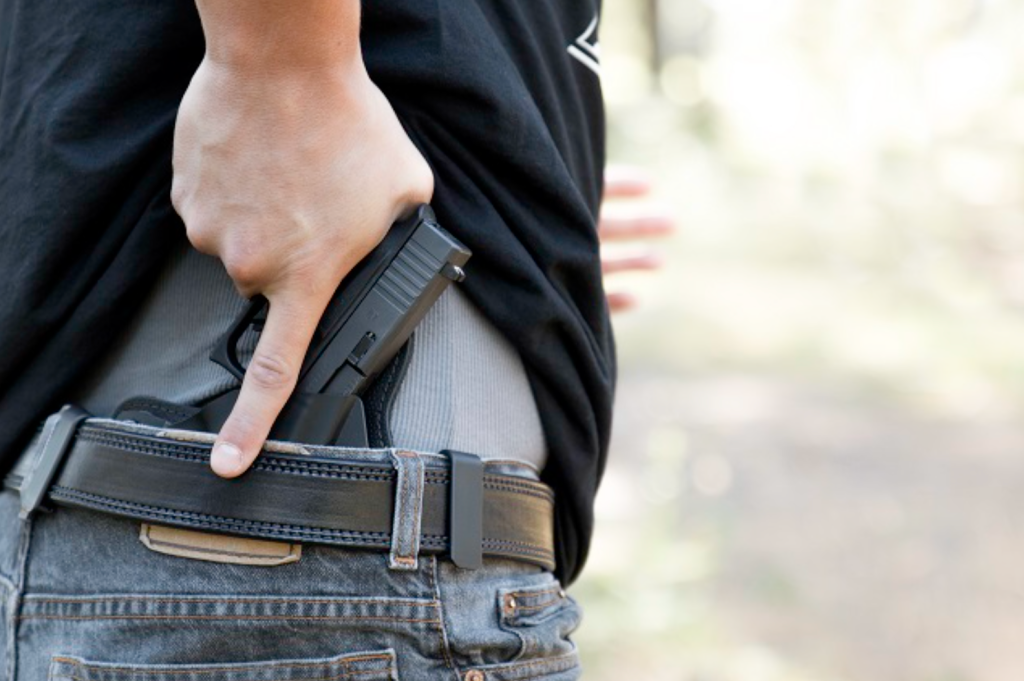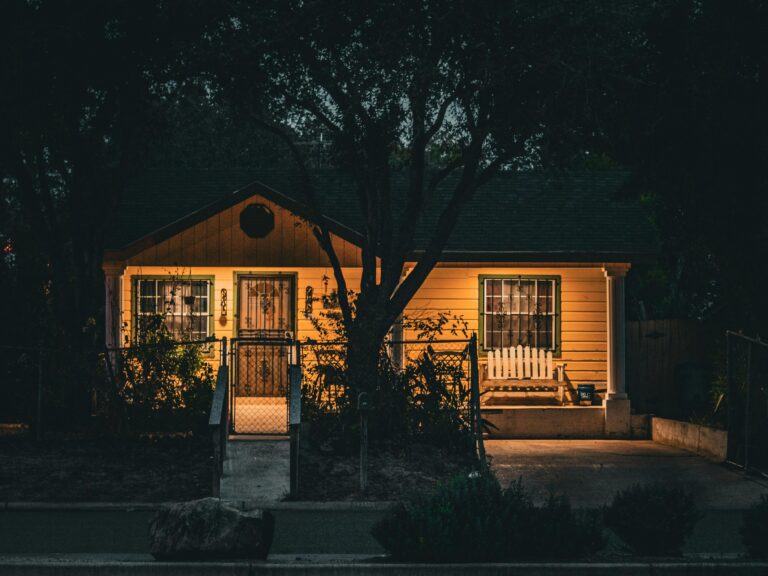

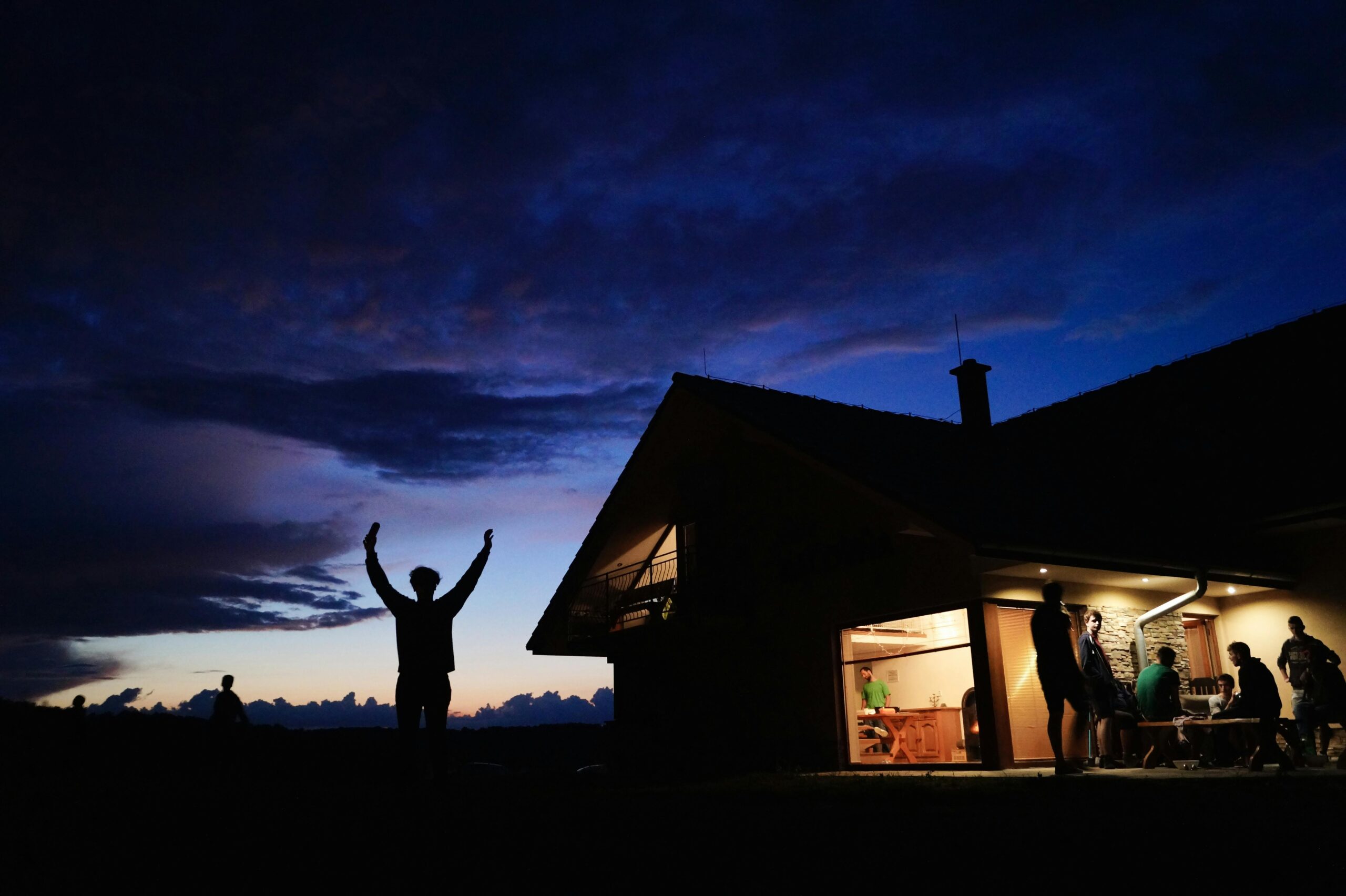
When I think about protecting my family, few situations concern me more than a break-in during the early morning hours. Nighttime Home Intrusion Training became part of my personal safety routine because I realized preparation matters long before an emergency happens. Although nobody can predict every threat, I can improve my odds by strengthening my home, building solid habits, and training my family to react calmly under pressure.
I learned quickly that panic creates mistakes. Because of that, I focus on preparation, communication, and awareness every single night. In addition, I make sure my family understands exactly what to do if somebody forces entry into our home between 2 am and 4 am.
Nighttime Home Intrusion Training Starts With Home Security
I first focused on the weak points around my home. Doors, windows, garages, and sliding glass doors all needed immediate attention. Therefore, I upgraded locks, reinforced strike plates, and installed brighter exterior lighting.
Motion-activated lights changed how my property looks at night. Dark corners disappeared, and visitors now stand out quickly. I also installed cameras that alert my phone whenever movement happens outside.
Reliable alarm systems matter as well. However, equipment alone does not solve the problem. I regularly test my system and update my emergency contacts. In addition, I make sure every family member knows how to activate the alarm and call for help.
For more information about improving residential security, I also review guidance from the National Crime Prevention Council and Ready.gov Home Safety Resources.
Building a Family Emergency Plan
After securing my home, I created a simple emergency plan. Complicated plans often fail during stress. Because of that, I kept every step clear and direct.
My family knows where to move during an emergency. We selected a secure room with a solid door, flashlights, charged phones, and medical supplies. Most importantly, we practice moving there quietly and quickly.
I also assigned responsibilities. One person calls 911 while another gathers younger family members. These small details reduce confusion when seconds matter.
Practice remains critical. Therefore, I run occasional drills at night. Those rehearsals help everyone react with confidence instead of fear.
Strengthening My Nighttime Awareness
Situational awareness changed how I approach nighttime safety. Before entering my home after dark, I scan the area carefully. I pay attention to parked vehicles, open gates, or unusual movement nearby.
Inside the home, I avoid creating habits that make us predictable. For example, I vary lighting patterns and secure valuables away from windows. In addition, I keep emergency tools accessible without leaving them exposed.
Exterior lighting also plays a major role in deterrence. Criminals often avoid homes where visibility increases their risk of exposure.
Creating Safe Zones Inside My Home
Every family should establish a fallback position in case of a break-in. I selected a room with strong walls, a reinforced lock, and immediate access to communication devices.
Inside that room, I keep several important items ready:
- Flashlights
- Backup phone chargers
- Medical supplies
- Emergency contact numbers
- Defensive tools stored legally and safely
These preparations give me valuable time while law enforcement responds.
Learning Practical Self-Defense Skills
I never train for confrontation because avoiding violence remains my primary goal. However, I do believe responsible self-defense training improves confidence and decision-making.
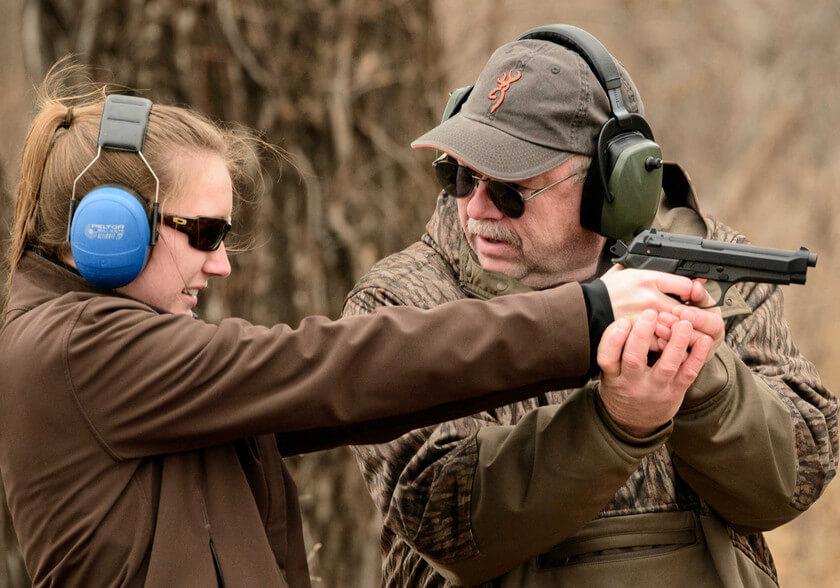
I attended local defensive training courses that focused on awareness, escape strategies, and protecting family members under stress. Those lessons taught me how quickly situations unfold in low light.
Legal education matters equally. Understanding state self-defense laws helps me make responsible decisions during a crisis. Because laws vary by state, I regularly review updates and legal resources.
For additional legal education, I recommend reviewing US Law Shield and local law enforcement crime prevention programs.
Communication During a Home Intrusion
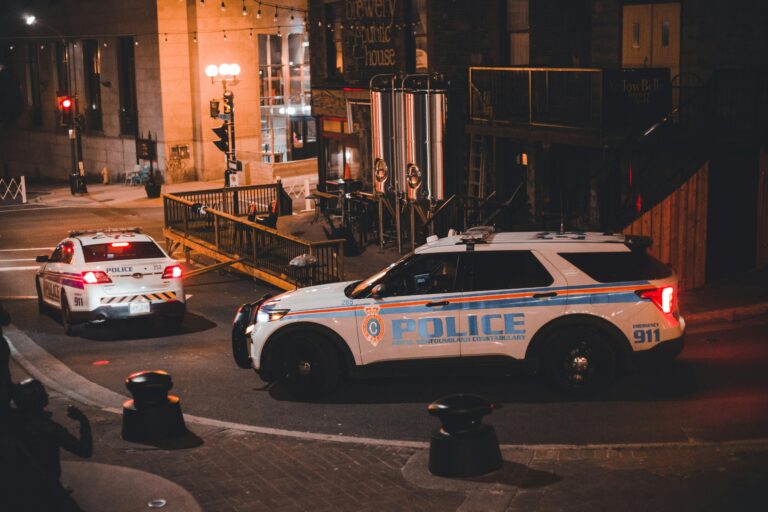
Calling authorities quickly can save lives. Therefore, I practice staying calm while speaking with emergency dispatchers.
When calling 911, I focus on:
- My address
- The location of the intruder
- Whether weapons are visible
- The number of family members inside
- Any immediate injuries
Clear communication helps responding officers arrive prepared.
I also teach family members not to leave secure positions unless necessary. Staying protected while waiting for police remains the safest option in most situations.
Staying Prepared Without Living in Fear
Preparation should build confidence rather than paranoia. Because of that, I focus on practical habits instead of fear-driven thinking.
Every homeowner can improve safety through awareness, planning, and training. Small improvements often create major advantages during emergencies. In addition, practicing these skills regularly helps reduce panic when stress levels rise suddenly.
Most importantly, I remind myself that protecting my family starts long before danger appears at the front door.
Internal Safety Resources
For additional personal security topics and preparedness discussions, visit PSNC.info for more training articles and safety resources.