Wheelchair Self-Defense Training Changed How I View Personal Safety
Wheelchair self-defense training changed the way I think about personal protection. I learned early that danger does not care about physical limitations. Because of that, I decided to prepare myself mentally, physically, and legally for dangerous situations.
I use a wheelchair every day, so I understand the challenges that come with mobility limitations. However, I also know that preparation creates confidence. Therefore, I focus on practical tools, awareness, and training that fit my lifestyle.
In addition, I learned that self-defense is not about looking for conflict. Instead, it is about protecting myself while avoiding unnecessary harm whenever possible.
Why Awareness Matters More Than Strength
I rely heavily on awareness when I move through public places. Situational awareness helps me recognize threats before they escalate. Because of that, I pay attention to exits, nearby people, and unusual behavior.
I also avoid distractions whenever possible. For example, I limit phone use in parking lots, near ATMs, and during nighttime travel. Small habits often prevent bigger problems.
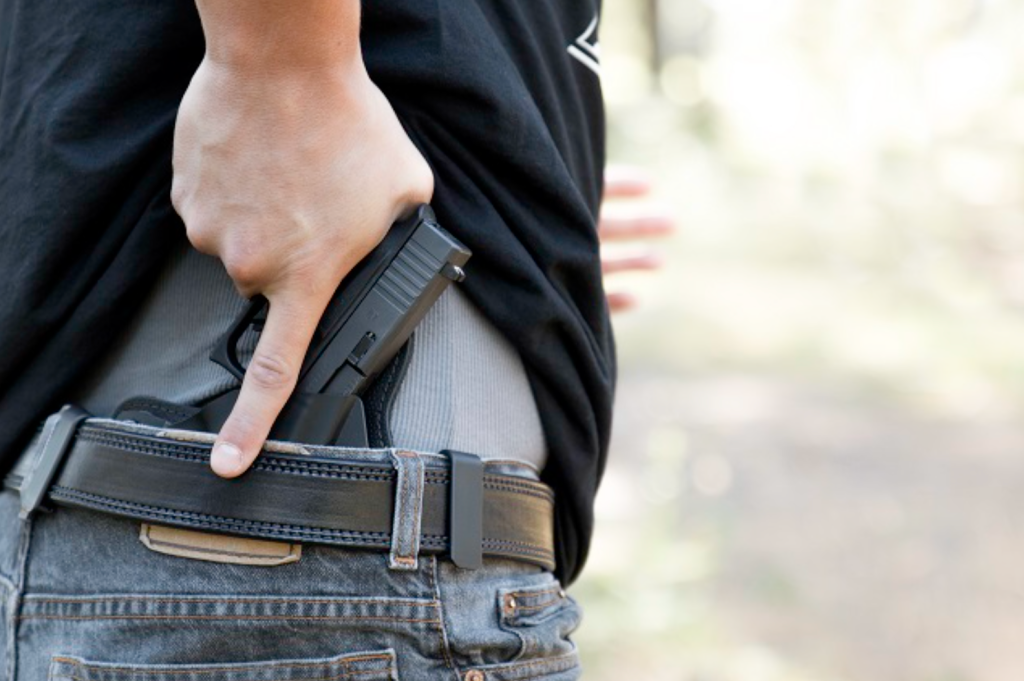
Furthermore, I keep emergency tools within easy reach. Fast access matters during stressful moments. If I cannot quickly reach a defensive tool, it becomes less useful.
For additional legal education about self-defense laws, I often review resources from U.S. LawShield.
Wheelchair Self Defense Training and Non-Lethal Protection
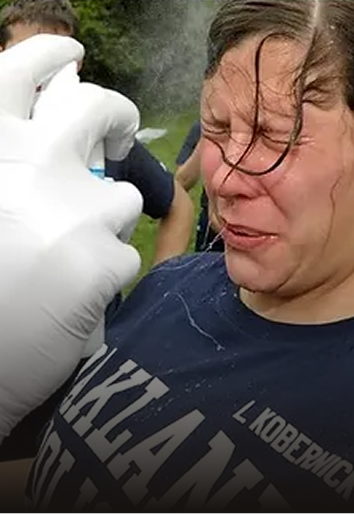
Non-lethal tools give me options before a situation turns deadly. Pepper spray remains one of the most practical tools I carry. Its compact size allows me to secure it directly to my wheelchair or clothing.
I practice drawing and aiming pepper spray while seated. As a result, I improve both speed and confidence. Repetition also helps me stay calmer under pressure.
Most importantly, pepper spray helps create distance. That extra space may allow me to escape or call for help. However, I understand that state laws differ. Therefore, I always verify regulations before carrying defensive sprays.
I also recommend learning verbal de-escalation skills. Strong communication can sometimes prevent a confrontation from escalating to physical action.
Firearms and Defensive Preparedness
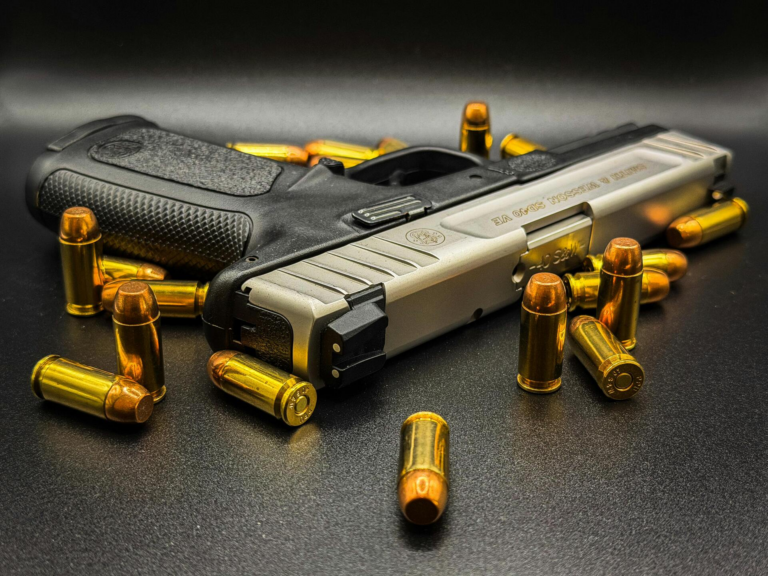
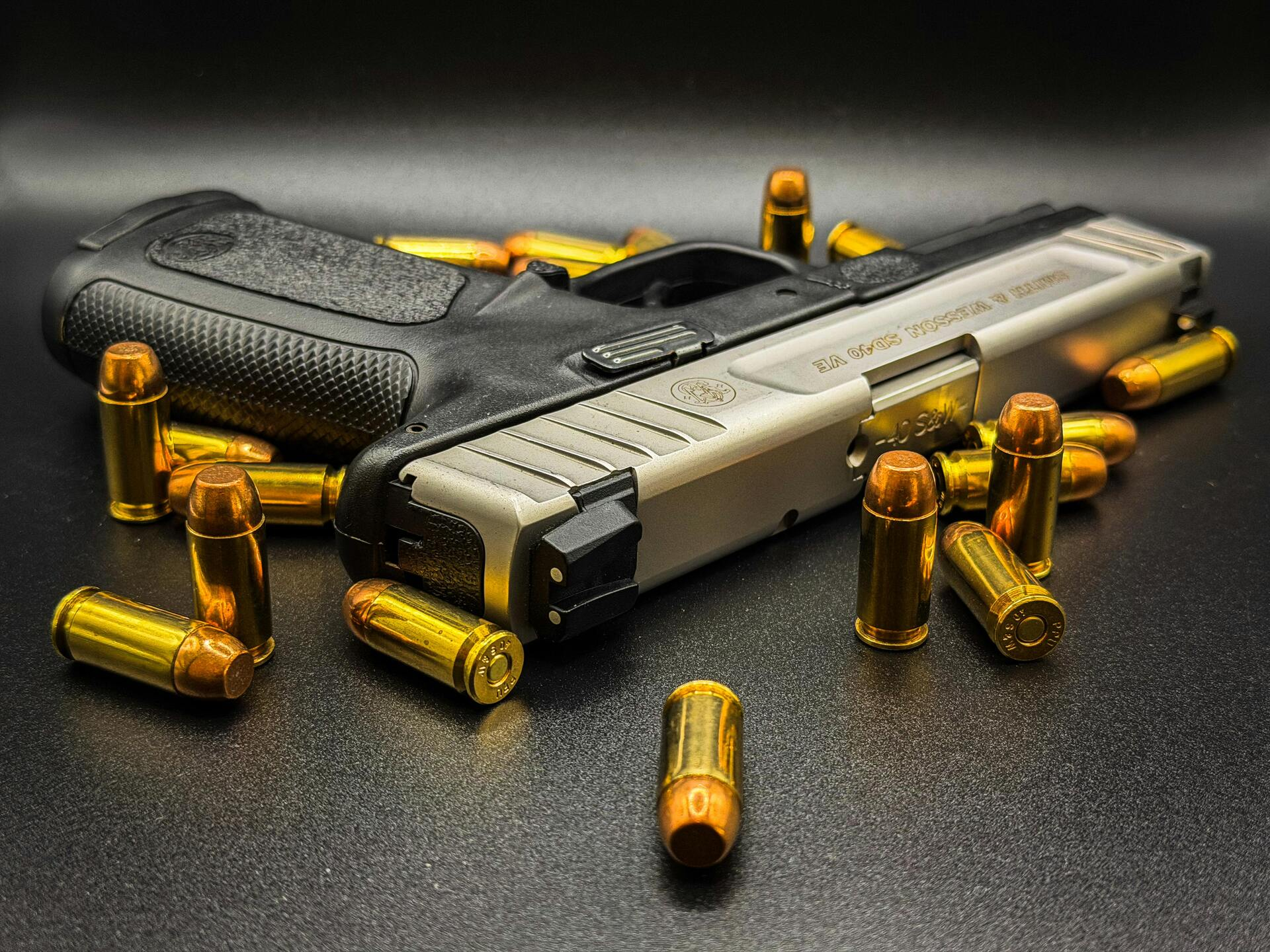
Some threats become life-threatening very quickly. Because of that reality, many wheelchair users choose to train with firearms for personal protection.
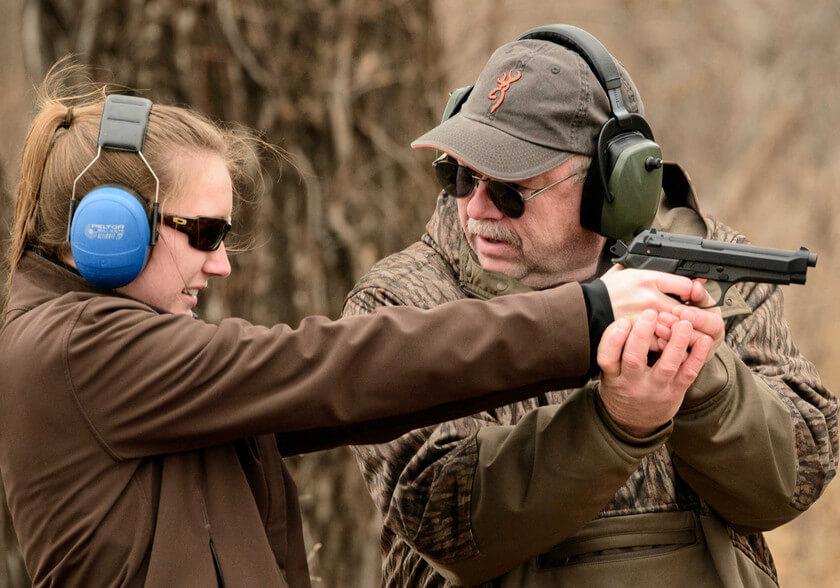
I believe firearm ownership requires responsibility, discipline, and continuous education. Therefore, I practice safe handling and seated shooting techniques. I also choose firearms that fit my strength, mobility, and comfort level.
For many wheelchair users, revolvers offer simplicity and reliability. Others may prefer compact semi-automatic pistols. The best option depends on training, physical ability, and personal preference.
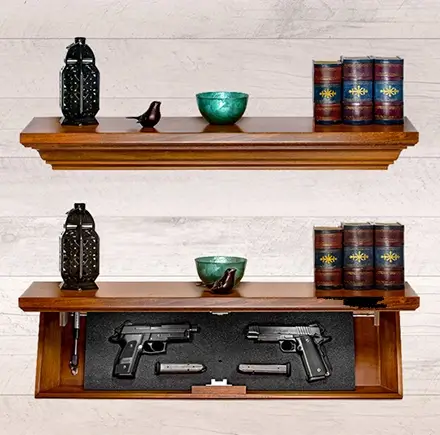
In addition, I focus heavily on safe firearm storage and accessibility. Quick access matters during emergencies, yet safety remains the top priority.
For firearms safety education and legal resources, I recommend reviewing materials from the National Shooting Sports Foundation.
Understanding Legal and Ethical Responsibilities
Every self-defense decision carries legal consequences. Because of that, I study self-defense laws carefully. I want to understand when force becomes legally justified.
I also understand the principle of proportionality. The level of force must match the threat level. Therefore, I never view defensive tools as a shortcut to violence.
Whenever possible, I prioritize escape and de-escalation. My goal is always survival and safety. I never want a dangerous encounter to escalate unnecessarily.
Training also helps me explain my actions clearly if law enforcement investigates an incident afterward.
Building Confidence Through Consistent Practice
Confidence grows through preparation. Because of that, I regularly practice emergency responses from realistic positions and environments.
I rehearse accessing defensive tools from my wheelchair. I also train movement techniques that help me create distance quickly. These habits improve my reaction time under stress.
In addition, I encourage wheelchair users to seek professional instruction whenever possible. A qualified instructor can adapt techniques to individual needs and physical abilities.
For more personal safety discussions and preparedness articles, visit PSNC.info.
Staying Prepared in an Unpredictable World
Danger can appear anywhere. However, preparation gives me options and confidence. Through awareness, training, and responsible decision-making, I improve my ability to protect myself and others.
I believe every person deserves the right to feel safe, regardless of physical ability. With proper preparation, wheelchair users can build effective self-defense strategies that fit their daily lives and personal needs.