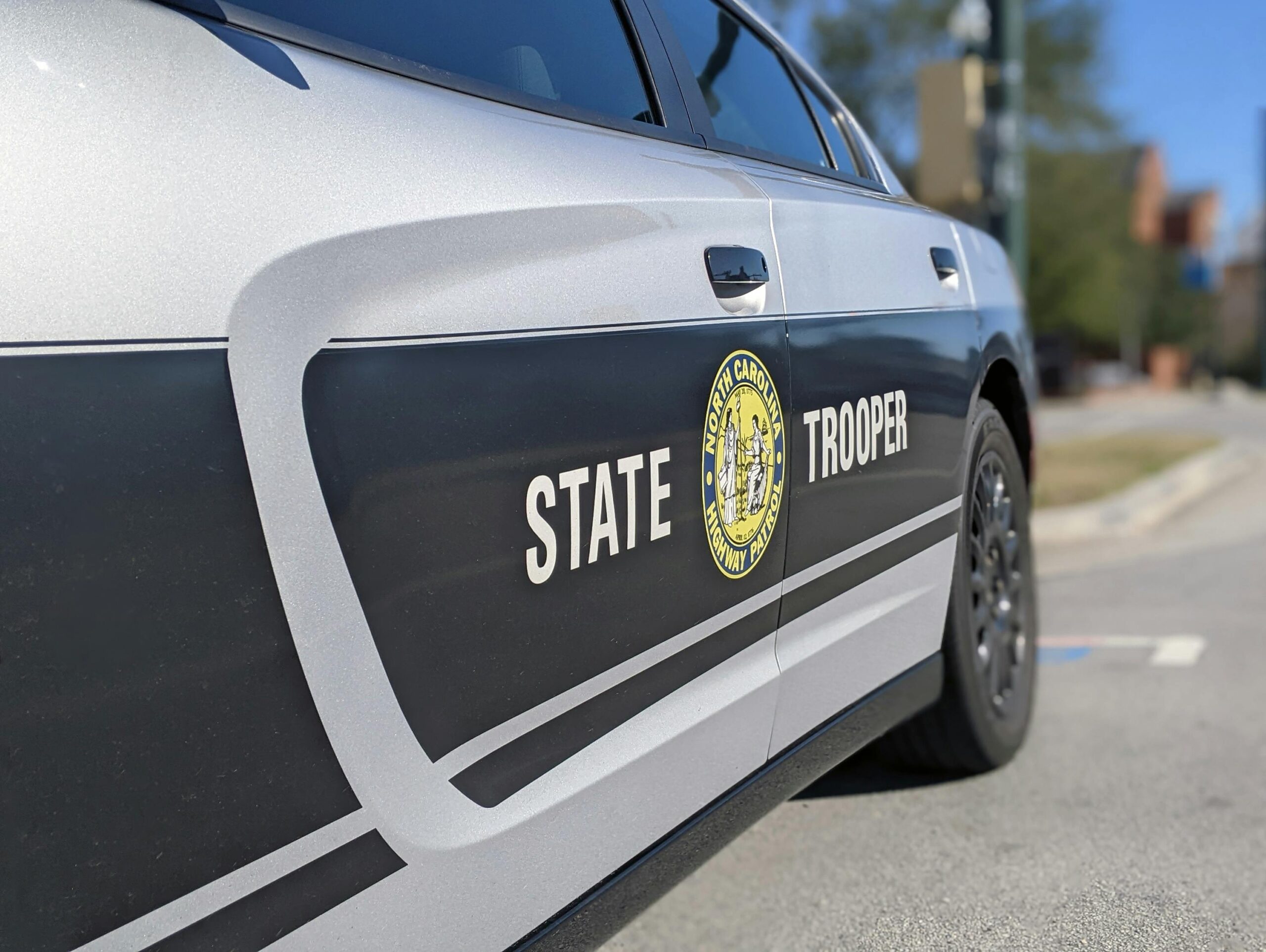
North Carolina Concealed Carry Traffic Stop Tips
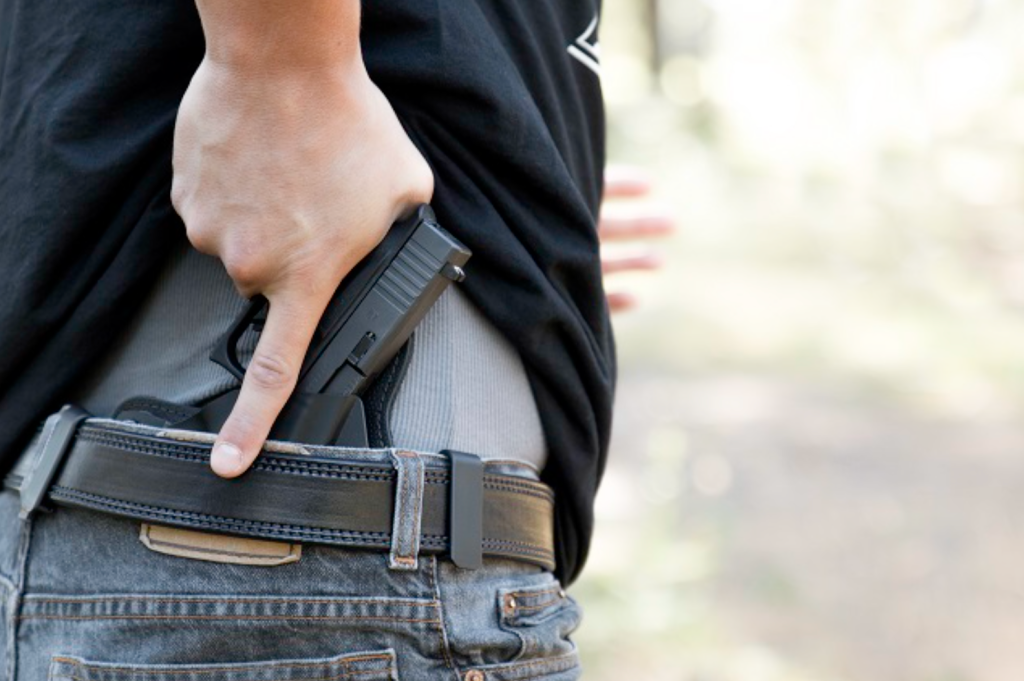
When I carry concealed in North Carolina, I know a traffic stop can become stressful fast. That is why I prepare myself mentally before I ever get behind the wheel. Understanding the proper way to interact with law enforcement helps me stay calm, avoid misunderstandings, and keep everyone safe.
As a concealed carry permit holder, I believe responsibility matters just as much as the firearm itself. These North Carolina concealed carry traffic stop tips have helped me approach law enforcement encounters with confidence and respect.
Staying Calm During the Initial Stop
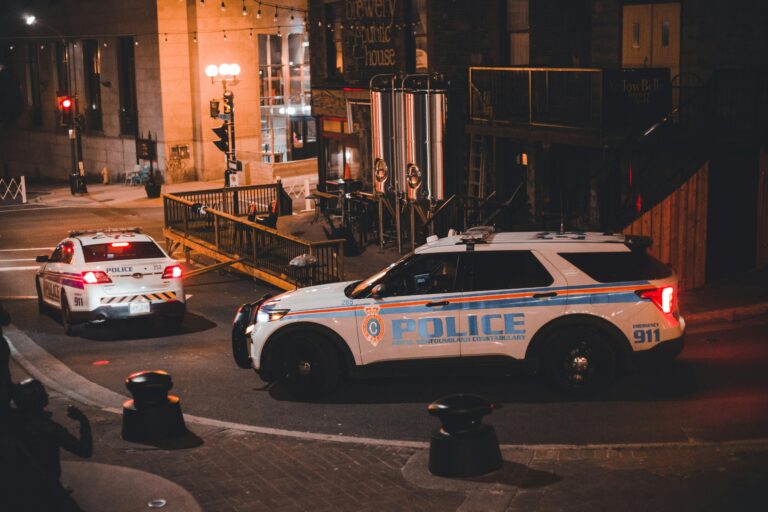
When I see blue lights behind me, I immediately slow down and pull over safely. I turn off the vehicle, lower my window, and place my hands on the steering wheel where the officer can clearly see them.
I avoid reaching into my pockets, glove compartment, or center console before the officer gives instructions. Sudden movements can create unnecessary tension. Instead, I wait calmly and let the officer guide the interaction.
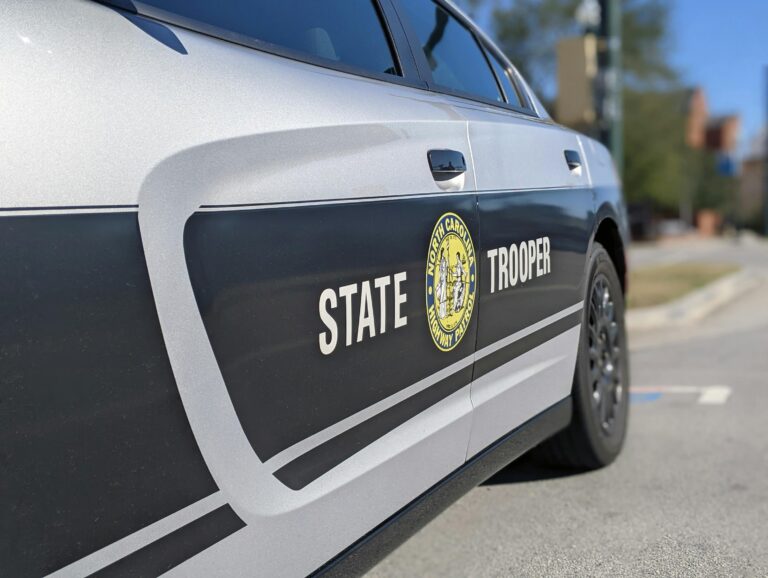
According to the North Carolina Department of Public Safety, clear communication and cooperation help reduce confusion during traffic stops.
Informing the Officer About My Firearm
In North Carolina, I understand the importance of notifying the officer that I have a concealed carry permit and, if applicable, that I am armed. I do this calmly and respectfully.
I usually say something simple like:
“Officer, I want to let you know that I have a concealed carry permit and I am legally carrying.”
That approach keeps the conversation professional and straightforward. I never reach for the firearm or gesture toward it unless instructed to do so.
In addition, I keep my driver’s license and permit accessible so I can retrieve them carefully when asked.
Following Instructions Carefully
Every traffic stop differs slightly. Some officers may simply acknowledge the firearm and continue normally. Others may ask me to step out of the vehicle or temporarily secure the weapon.
I follow instructions carefully because officers train for unpredictable situations. Remaining cooperative helps the stop move faster and keeps emotions under control.
If the officer asks for my firearm, I avoid making sudden movements. Instead, I ask how they would like me to proceed. Clear communication matters during stressful moments.
For more information about firearm laws and self-defense protections, I often review updates from US Law Shield.
Why Respect and Professionalism Matter
Even if I disagree with an officer, I avoid arguing on the roadside. A traffic stop is not the place to debate legal issues or escalate emotions.
Instead, I stay polite and respectful throughout the encounter. Most officers appreciate calm communication, and professionalism usually helps reduce tension quickly.
Furthermore, I remind myself that the officer does not know me personally. Their priority is safety. My behavior can either help or worsen the situation.
Understanding My Rights After the Stop
If I believe my rights were violated, I handle the matter through the proper channels afterward. I document details about the stop, including the officer’s name, badge number, and what happened during the interaction.
Then, if necessary, I contact the department directly or seek legal guidance. Filing a complaint should always remain truthful and fact-based.
I also stay informed about changing laws by regularly reviewing trusted resources and legal updates.
Training and Preparation Make a Difference
Responsible concealed carry goes far beyond owning a firearm. I believe training, mindset, and legal knowledge all work together.
Therefore, I practice staying calm under pressure and regularly review state laws. The more mentally prepared I am, the smoother these interactions become.
If you carry daily, I strongly encourage ongoing education and situational awareness training. Those habits can protect both your rights and your safety.
You can also review additional personal safety articles at Personal Security News.
Final Thoughts on North Carolina Concealed Carry Traffic Stop Tips
Traffic stops can feel intimidating, especially when carrying a concealed weapon. However, I have learned that calm communication, visible hands, respectful behavior, and following instructions make a major difference.
Most importantly, I focus on safety first. When both the officer and the permit holder stay professional, the encounter usually ends smoothly and without unnecessary problems.
Recommended Resources
Tactical Trap: Keeping Your Family Safe & Weapons Ready
Tactical Trap Family Safety Solutions
FREE Legal Gun Updates for Your State, use promo code PSTC
US Law Shield Legal Updates
FREE Reciprocity Map, state by state, use promo code PSTC
US Law Shield Reciprocity Map
Try US Law Shield FREE for 30 days and download the app
US Law Shield Free Trial