Mastering the High Retention Pistol Hold for Better Firearm Control
I learned early on that firearm control becomes critical when stress levels rise. Fine motor skills fade fast during a violent encounter. Because of that, I spent time practicing techniques to improve weapon retention and help me stay in control under pressure. One method that stood out was the high retention pistol hold.
This technique gave me more confidence during close-range drills. It also helped me maintain better control of my handgun in awkward shooting positions. Most importantly, it reinforced safe firearm-handling habits in fast-moving situations.
According to US Law Shield, understanding lawful self-defense and safe firearm handling should always go hand in hand.
Why I Started Using the High Retention Technique
I first began working with retention shooting techniques during defensive handgun training. In close quarters, extending the pistol fully toward a threat is not always safe. An attacker may grab the firearm or redirect the muzzle.
Because of that, I started practicing a tighter shooting position. I kept the handgun close to my body while maintaining a strong firing grip. Over time, I realized this method improved both control and stability.
In addition, I noticed faster follow-up shots during short-distance drills. My muzzle movement decreased, and recoil management became easier.
The instructors I trained with stressed consistency. Therefore, I practiced the same grip repeatedly until the movement became natural.
How I Apply the High Retention Grip
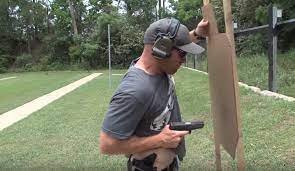
When I use this technique, I bring the pistol close to my chest area while keeping the muzzle directed toward the threat. I keep my wrist firm and my elbow tight to my body. That positioning helps protect the firearm from grabs during close-contact situations.
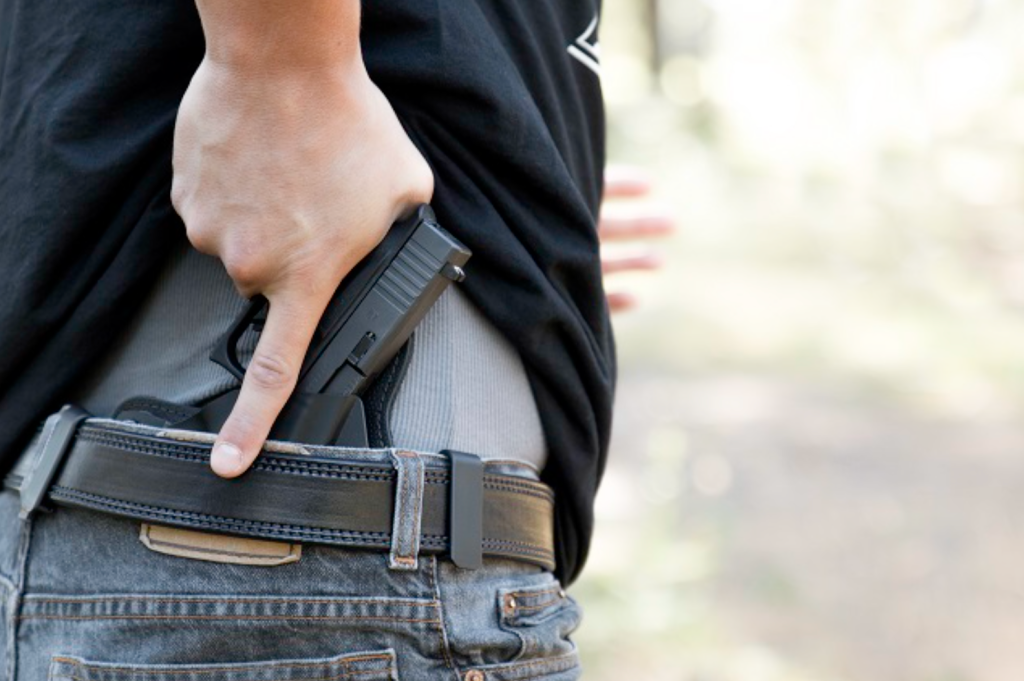
I do not place my thumb over the rear of the slide. Instead, I maintain a modern thumbs-forward or retention-oriented grip that keeps my hands out of the way of the slide’s movement. This helps avoid malfunctions and injuries during live fire.
I also focus heavily on trigger discipline. My finger stays off the trigger until I make the conscious decision to fire.
According to NRA Gun Safety Rules, consistent trigger discipline and muzzle awareness remain essential parts of responsible firearm ownership.
High Retention Pistol Hold During Stress
Stress changes everything during a violent encounter. Heart rate increases rapidly, and decision-making becomes more difficult. Because of that, I train simple movements that I can repeat under pressure.
The retention position helps me maintain balance and weapon control when space becomes limited. I can move, pivot, and create distance without extending the firearm too far away from my body.
In addition, this technique works well inside confined spaces. For example, it can help while moving through hallways, entering rooms, or defending yourself near vehicles.
I also discovered that practicing from retention improved my awareness of muzzle direction. That awareness became especially important during movement drills and defensive training scenarios.
Training Matters More Than Equipment
Many people spend thousands of dollars on firearms and accessories. However, skill development matters more than expensive gear. A quality handgun still requires proper handling and consistent practice.
I regularly practice dry-fire drills, close retention draws, and movement exercises. Repetition builds confidence. More importantly, repetition builds safe habits.
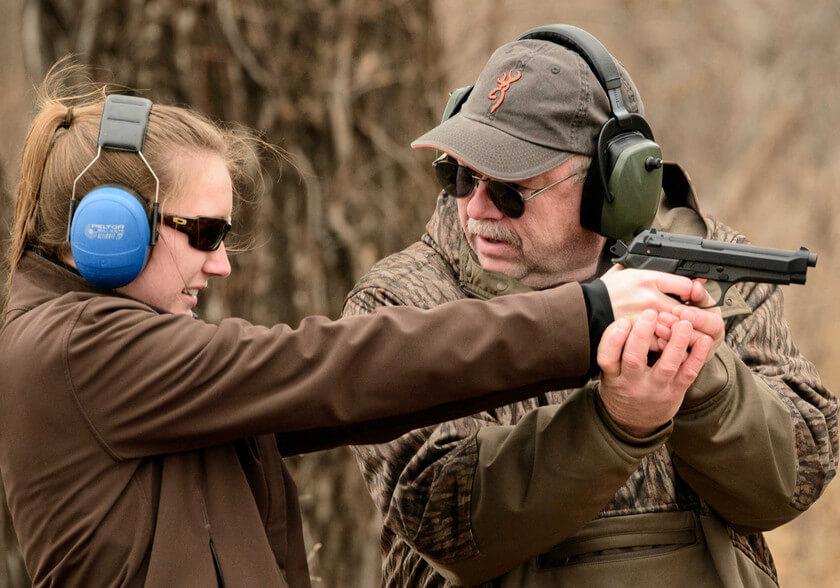
I also recommend seeking professional instruction from qualified defensive firearms trainers. Structured training exposes weaknesses and helps correct bad habits before they become dangerous.
If you want additional personal security and preparedness articles, check out Personal Security News for related content and training discussions.
Final Thoughts on Retention Shooting Skills
The high retention shooting position gave me another layer of defensive capability. It improved my firearm control, strengthened my close-quarters confidence, and reinforced safer gun handling habits.
However, no technique replaces judgment. Every defensive situation unfolds differently. Therefore, regular training and legal education remain essential for responsible firearm owners.
I continue practicing retention drills because skills fade without repetition. The more familiar the movements become, the easier they are to apply under stress.
Recommended Resources
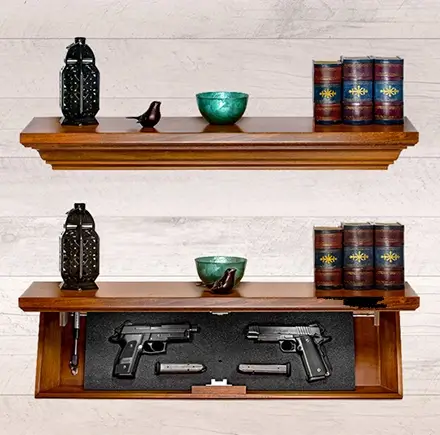
Tactical Trap: Keeping Your Family Safe & Weapons Ready
Tactical Trap Storage Solutions
FREE Legal Gun Updates for Your State, use promo code PSTC
US Law Shield Legal Updates
FREE Reciprocity Map, state by state, use promo code PSTC
US Law Shield Reciprocity Map
Try US Law Shield FREE for 30 days and download the app
US Law Shield Free Trial