
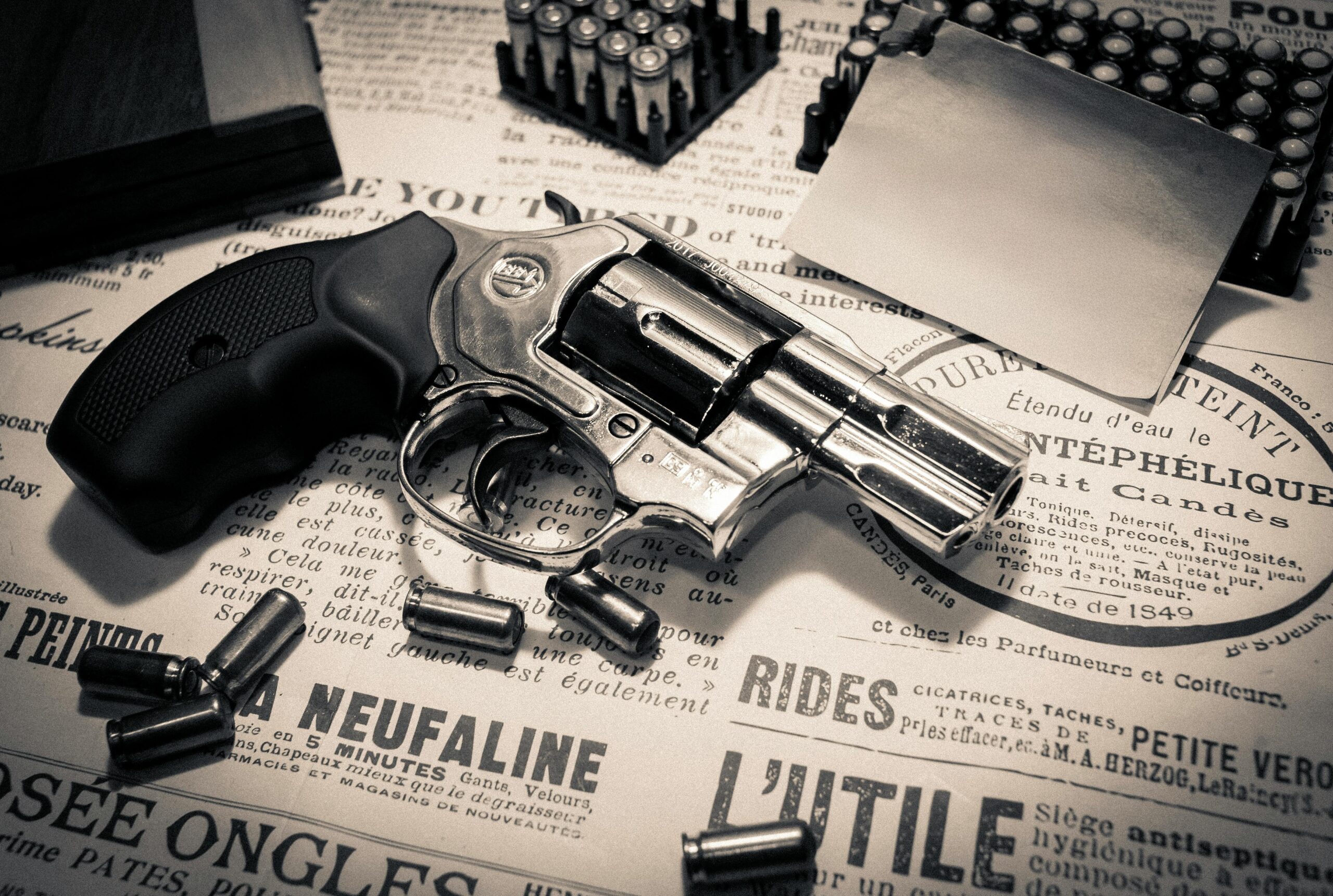

One lesson I learned years ago is simple. If a firearm slips from my hands, I let it hit the ground. I never try to catch it in midair.
That split-second decision can prevent a tragedy. In fact, I have seen how quickly things can go wrong when someone reacts without thinking.
A friend named Fred learned that lesson the hard way.
One afternoon, Fred showed several friends his new Kimber pistol. As one of them handed the handgun back to him, it slipped from his hands. Instinct took over. Fred tried to catch the pistol before it hit the ground.
Unfortunately, the gun fired.
The bullet struck his lower left leg, according to the police report. Witnesses later explained the firearm was loaded and cocked while everyone handled it.
Thankfully, Fred survived and made a full recovery after treatment at the hospital. However, that incident stayed with me because it highlighted several dangerous mistakes.
Shooters should never pass around a loaded and cocked firearm. In addition, every gun owner should focus on maintaining a secure grip during handling and training.
Why Grip Control Matters During Firearm Training
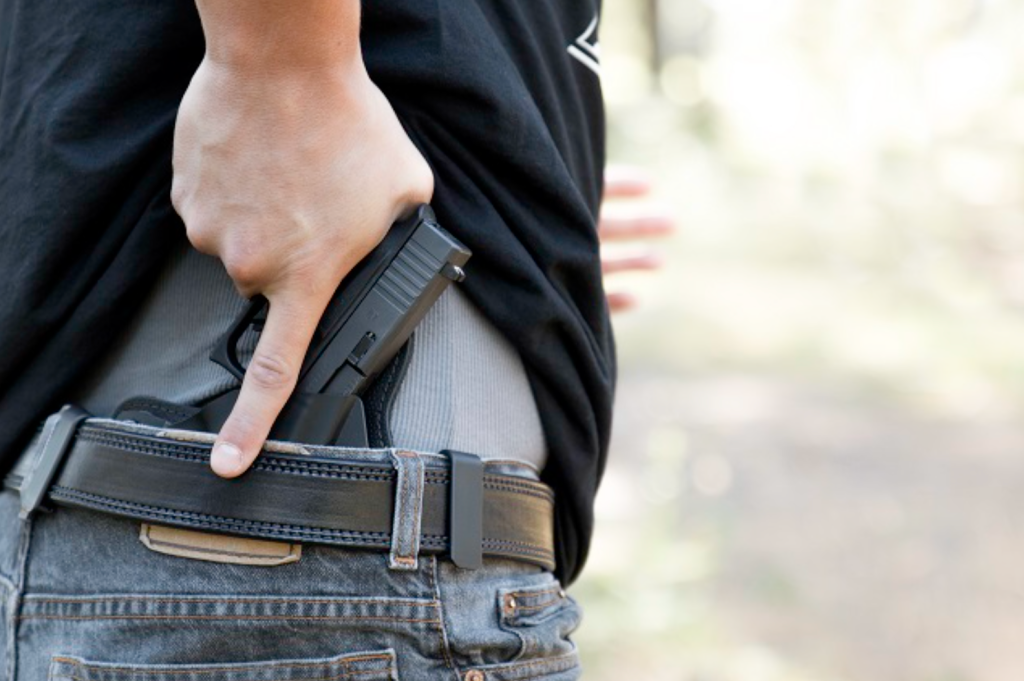
I spend a lot of time thinking about firearm safety because small mistakes create life-changing consequences. Therefore, I always pay attention to grip security when training outdoors or carrying daily.
Rain, sweat, humidity, or even blood can make a handgun slippery. Under stress, fine motor skills disappear quickly. Because of that, maintaining positive control of the firearm becomes critical.
The National Shooting Sports Foundation provides excellent firearm safety resources that reinforce safe gun handling habits. National Shooting Sports Foundation
I also recommend reviewing legal self-defense information through US Law Shield because responsible gun ownership includes understanding the law.
What Is Gun Grip Stippling?
One modification I see more shooters discussing today is grip stippling.
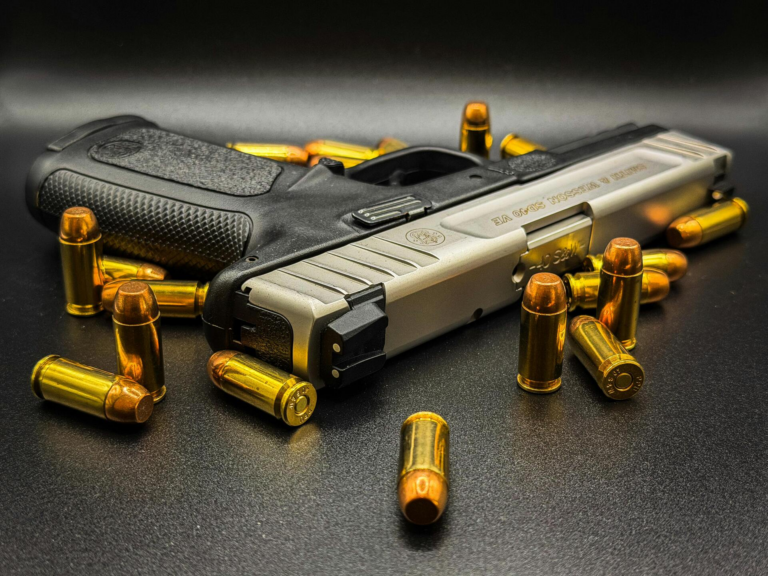
Stippling changes the surface texture of a factory handgun grip. Usually, a gunsmith burns or carves patterns into the polymer frame. Those patterns create extra traction for the shooter’s hands.
Some stippling designs use dots, borders, ridges, or aggressive textures. Others remain simple and clean for concealed carry comfort.
Many handgun owners prefer stippling over aftermarket grips because the work can be tailored to their exact hand placement and shooting style.
Gun Grip Stippling Benefits for Better Control
Improved Grip in Wet Conditions
The biggest advantage I notice involves traction.
Sweaty hands can make a pistol difficult to control during rapid-fire drills. However, textured surfaces help lock the firearm into the hand.
That extra control becomes valuable during rain, hot weather, or stressful defensive situations.
Better Hand Placement
A custom texture helps my hands return to the same position every time I draw the firearm.
Consistency matters because repetition builds muscle memory. As a result, my grip feels more natural during training sessions.
Increased Confidence During Training
I train harder when I trust my equipment.
A secure grip helps reduce unnecessary movement while shooting. Consequently, recoil management often improves as well.
For additional firearm training articles, I recommend visiting PSNC.info for self-defense and firearm-related content.
The Downsides of Stippling a Handgun
Although stippling offers advantages, I always remind shooters that there are drawbacks.
First, stippling permanently alters the firearm frame. Once the work is done, there is no easy way to reverse it.
Second, poor stippling can destroy the handgun’s appearance and resale value. A badly damaged frame may even weaken the firearm.
Third, many manufacturers will void the warranty after frame modifications.
That is why I never recommend a do-it-yourself approach unless someone has serious experience working on firearms.
Why I Recommend Professional Stippling Work
I have seen excellent custom stippling jobs from talented gunsmiths. I have also seen terrible homemade attempts that ruined expensive pistols.
For that reason, I always suggest talking with a trusted local gun shop before modifying a handgun. Many shops work directly with experienced custom gunsmiths who specialize in stippling.
Most professional stippling jobs cost between $150 and $200, depending on the design and firearm model.
In my opinion, that investment makes sense if it improves firearm retention and control during a life-threatening encounter.
Final Thoughts on Safe Firearm Handling
Fred recovered from his injury. Still, the incident reminds me why safe gun handling matters every single day.
I never try to catch a falling firearm. Instead, I let it hit the ground and deal with the situation safely afterward.
At the same time, I understand why many shooters look for ways to improve grip control. Better traction can make a real difference during training or defensive use.
If someone chooses to modify a handgun, I strongly believe professional work and proper training are worth the cost.
Train safely and train honestly.
Affiliate Resources
Tactical Trap: Keeping Your Family Safe & Weapons Ready
Tactical Trap
FREE Legal Gun Updates for Your State, use promo code PSTC
US Law Shield Legal Updates
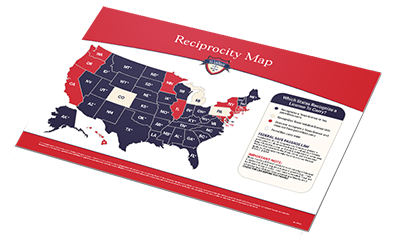
FREE Reciprocity Map, State by State, use promo code PSTC
US Law Shield Reciprocity Map
Try US Law Shield FREE for 30 Days and Download the App
US Law Shield Free Trial