
Deadly Force Warning Signs and the Moment a Fight Changes
I have learned that most physical confrontations do not escalate to deadly force. However, situations can change in seconds. Because of that, I pay close attention to the warning signs that signal a violent attack may become life-threatening.
In my experience, understanding deadly force situations starts with awareness. I never want to fight if I can avoid it. Instead, I focus on creating distance, finding safety, and protecting innocent people around me.
According to U.S. LawShield, self-defense laws vary from state to state. Therefore, I always encourage responsible citizens to understand the laws where they live before carrying a weapon or using force.
Recognizing the Shift to Deadly Force
A fight becomes far more dangerous when I see actions that suggest serious bodily harm or death is the attacker’s goal. At that point, I know the encounter has changed.
Several warning signs immediately raise my concern.
Hands Moving Toward a Weapon
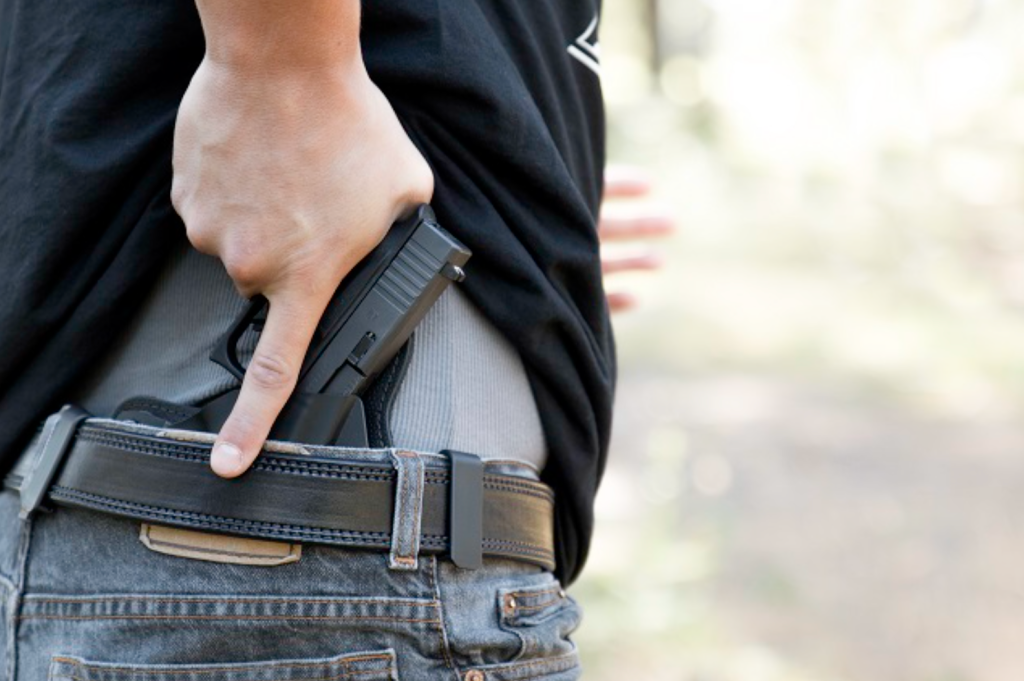
I watch the hands first. If someone suddenly reaches toward a waistband, pocket, or concealed area, I treat the movement seriously. Many violent attackers telegraph their intentions before producing a weapon.
In addition, I pay attention to unnatural arm movement. Sometimes an elbow dips sharply toward the waist before a weapon appears. That motion alone can reveal dangerous intent.
Verbal Threats Matter
I never ignore verbal threats during a confrontation. Statements such as “I’ll kill you” or “You’re dead” can reveal escalating violence.
Although some people make empty threats, I do not assume they are bluffing. Instead, I focus on escape routes and cover as I assess the situation.
Why Retreat Is Often the Smartest Option
Whenever possible, I choose retreat over confrontation. Walking away protects my safety and may prevent legal trouble later.
If I can safely leave, I create distance immediately. Then I move toward populated areas, call 911, and avoid reengaging the attacker.
In many cases, retreat also helps witnesses and investigators understand that I attempted to avoid violence. That decision may become important later.
I also recommend reading personal safety articles on Personal Security News Center for additional awareness strategies and self-protection discussions.
Preparing Mentally for Violent Encounters
I believe preparation starts long before violence occurs. Because of that, I stay alert in parking lots, gas stations, stores, and isolated areas.
I also avoid distractions whenever possible. Looking down at a phone during a dangerous encounter can cost valuable reaction time.
Most importantly, I try to remain calm. Panic creates mistakes. Clear thinking improves decision-making during stressful moments.
Meeting Force With Force
If escape is impossible and a deadly threat becomes unavoidable, I may have to defend myself or my family. Still, I understand that using force carries enormous consequences.
When facing an armed attacker, every second matters. Therefore, I focus on stopping the threat and surviving the encounter rather than trying to “win” a fight.
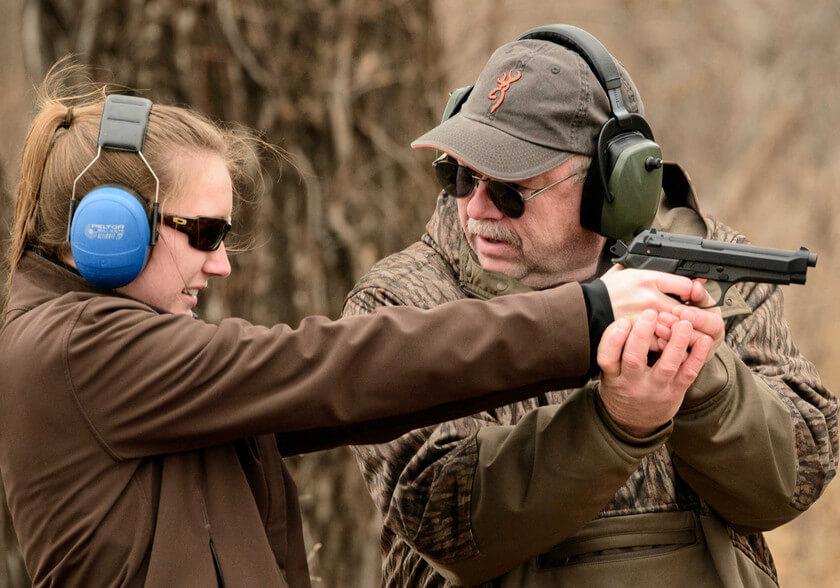
I also understand that laws surrounding self-defense differ across the United States. As a result, training and legal education remain critical components of responsible firearm ownership.
For additional educational material, I recommend reviewing videos and legal resources from Active Self Protection.
Understanding the Aftermath
Even justified self-defense incidents can change lives forever. Police investigations, emotional trauma, and legal proceedings often follow violent encounters.
Because of this reality, I remind myself that deadly force should always be the last resort. Avoidance, awareness, and de-escalation remain my priorities whenever possible.
At the same time, I also recognize that evil exists. If a violent criminal forces a life-threatening encounter, I must be mentally prepared to protect myself and the people around me.
Final Thoughts on Personal Safety
I never assume violence cannot happen to me. Instead, I stay aware of my surroundings and trust my instincts when situations feel wrong.
Recognizing danger early gives me more options. Sometimes that means retreating. Other times it means preparing to defend innocent life.
Either way, understanding how quickly violence escalates may save a life someday.