
When I think about personal protection, I always return to one principle. I must use only the force necessary to stop a threat. That idea sits at the center of the civilian use-of-force model and guides every decision I make during a dangerous encounter.
Many people assume self-defense starts with physical action. In reality, I see awareness and communication as my first tools. A calm voice, a confident posture, and clear instructions can often prevent a problem from escalating. Because of that, I always try to de-escalate a situation before considering physical force.
According to the National Institute of Justice, force should remain reasonable and proportional to the threat faced. That standard matters because every action carries legal and moral consequences.
Understanding the Civilian Use of Force Model
I think of the use of the force model as a staircase. Each step represents a higher level of response. However, I should only move upward if the threat forces me to.
At the lowest level sits verbal force. This includes commands, warnings, and attempts to calm the situation. I may tell someone to back away or announce that I do not want trouble. In many cases, verbal communication works well because it creates space and lowers tension.
If words fail, I may need to use physical force. This could include pushing away from danger, blocking strikes, or creating enough distance to escape safely. Even then, I focus on using the minimum force needed to stop the attack.
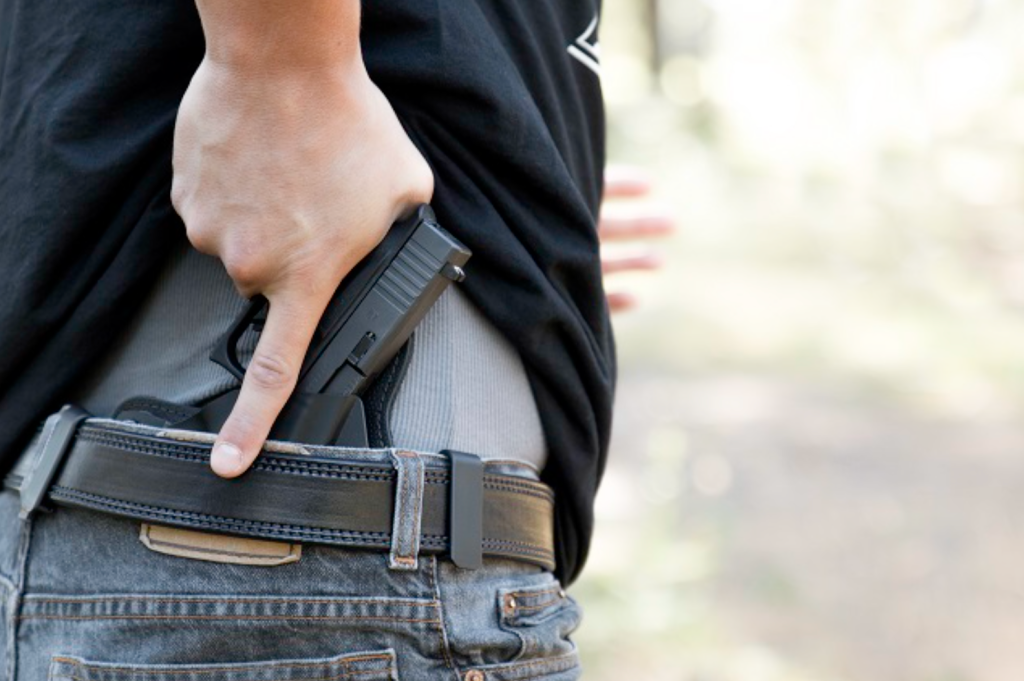
The top level involves deadly force. I understand this should only happen when I face an immediate threat of death or serious bodily harm. At that point, I may have no safe alternative left.
For additional legal education, I often review resources from US Law Shield, as laws can vary from state to state.
Why Proportional Force Matters
One lesson stands out every time I study self-defense law. My response must match the danger I face. If someone shoves me during an argument, I cannot automatically respond with deadly force.
Courts often examine whether a reasonable person would believe the threat justified the level of force used. Therefore, I must stay aware of how quickly a situation changes. A simple confrontation can escalate in seconds.
I also remind myself that avoidance is often the safest option. If I can leave safely, I should strongly consider doing so. Escaping danger protects me physically, financially, and legally.
For more discussions about personal protection and legal preparedness, I recommend visiting Personal Security News.
Training Helps Me Make Better Decisions
Stress changes how people react. During a violent encounter, adrenaline can distort judgment and slow decision-making. Because of that, I believe training matters.
Scenario-based practice helps me think clearly under pressure. It also teaches me how quickly situations evolve. More importantly, training reinforces restraint. I never want fear or anger to control my actions.
In addition, I regularly study my state laws. Self-defense statutes vary across the country. What may be legal in one state could lead to criminal charges in another.
I also focus on situational awareness every day. Staying alert helps me avoid dangerous encounters before they begin. Prevention remains one of the strongest self-defense tools available.
Final Thoughts on Responsible Self-Defense
I believe every person has the right to defend themselves and their family. At the same time, that right carries responsibility. The force I use must remain reasonable, necessary, and proportional to the threat I face.
The use-of-force model provides me with a framework for making better decisions during stressful moments. It reminds me to start low, stay aware, and escalate only when necessary.
Most importantly, I understand that surviving the encounter is only part of the challenge. I also want to stay within the law and avoid unnecessary harm whenever possible.
Recommended Resources
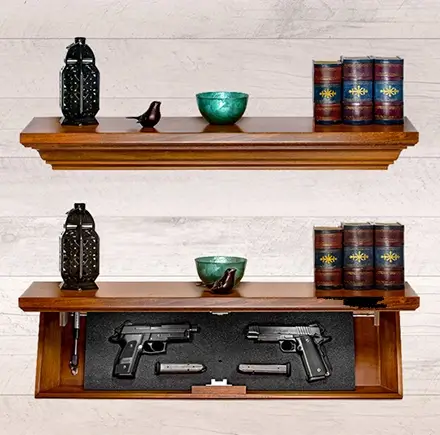
Tactical Trap: Keeping Your Family Safe & Weapons Ready
https://www3.tacticaltraps.com/#a_aid=27944&a_bid=9c7f2cdb
FREE Legal Gun Updates for Your State, Use Promo Code PSTC
https://ww2.uslawshield.com/legal-update-lp/
FREE Reciprocity Map by State, Use Promo Code PSTC
https://ww2.uslawshield.com/reciprocity-map/
Try US Law Shield FREE for 30 Days and Download the App
https://lp.uslawshield.com/new-member-sign-up-free-trial/?affid=affa8876-2227-11e8-b770-06ed0ea31f0e