

Beard v. United States and the Limits of Self Defense
When I study landmark self-defense cases, I always return to Beard v. United States for its discussion of the castle doctrine because it highlights an issue many gun owners misunderstand. A lot of people believe the castle doctrine creates unlimited authority to use deadly force. However, the Supreme Court viewed self-defense through a much narrower legal lens.
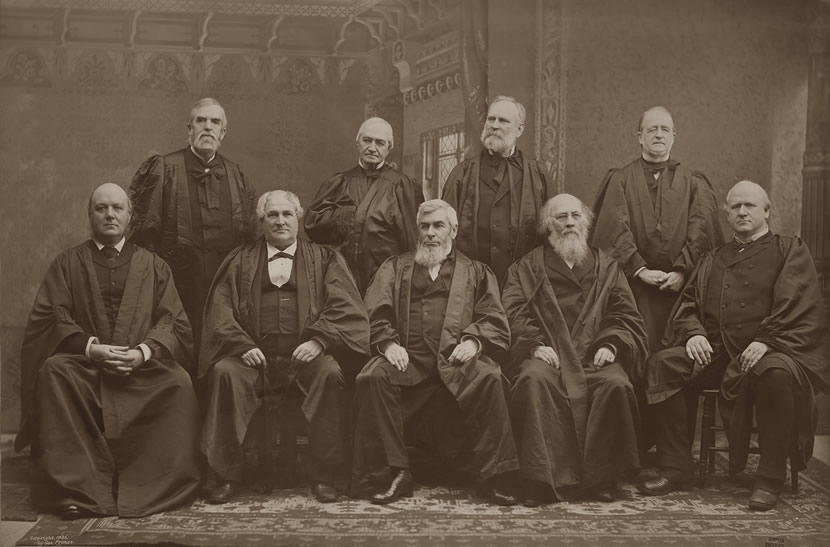
In 1895, the Supreme Court reviewed the case of William Beard. Federal prosecutors accused him of violating federal law related to selling liquor to Native Americans on an Indian reservation. Beard argued that he acted to protect himself and his family after threats escalated around his property.
As I reviewed the ruling, I noticed something important. The Court did not treat the castle doctrine as an automatic defense. Instead, the justices focused on whether Beard faced an immediate threat of death or serious bodily harm.
According to the Court, deadly force only becomes lawful when a person reasonably believes severe harm or death is imminent. That principle still shapes discussions of self-defense today.
For additional legal history, readers can review the official case summary on the Library of Congress website.
Understanding the Federal Self-Defense Standard
I often hear people say, “If someone comes onto my property, I can do whatever I want.” That belief creates dangerous misunderstandings. The Beard ruling reminds me that self-defense laws depend heavily on circumstances, reasonable fear, and the presence of immediate danger.
The Supreme Court explained that common law principles did not automatically override federal criminal law. Because of that, Beard could not simply invoke the castle doctrine without proving necessity.
In other words, the Court wanted evidence showing that deadly force prevented immediate harm. The ruling reinforced the idea that self-defense depends on reasonableness, not emotion.
Today, courts still evaluate several factors, including:
- Whether the threat was immediate
- Whether escape remained possible
- Whether the response matched the danger
- Whether the defender reasonably feared death or serious injury
The Legal Information Institute at Cornell Law School provides additional information on modern self-defense principles.
Why This Case Still Matters Today
I believe this case remains relevant because many Americans rely on incomplete information from social media, television, or casual conversations. Unfortunately, bad information can place responsible gun owners in legal jeopardy.
The Beard decision serves as a reminder that self-defense claims require facts, evidence, and reasonable judgment. Although many states recognize some version of the castle doctrine today, courts still examine whether the use of force was necessary.
In addition, federal prosecutions can involve different standards than state prosecutions. That distinction matters more than many people realize.
Anyone who carries a firearm or keeps one for home defense should understand both state and federal laws. Legal protection starts long before a critical incident occurs.
For readers interested in responsible firearm education, the US Law Shield Blog offers legal resources and state-specific updates.
Practical Lessons I Take From Beard v. United States
When I look at this ruling, I see several lessons every armed citizen should remember.
First, deadly force is never a shortcut around conflict resolution. Second, courts carefully examine the details surrounding every self-defense claim. Finally, understanding your local laws before an emergency occurs can make a major difference afterward.
I also believe responsible preparation includes ongoing education. Laws evolve, court decisions change legal interpretations, and prosecutors evaluate incidents differently depending on jurisdiction.
Because of that, I encourage firearm owners to stay informed and train regularly. Knowledge often becomes just as important as skill during a legal defense.
You can also read more personal security and legal awareness articles at PSNC.info.
Recommended Resources for Responsible Preparedness
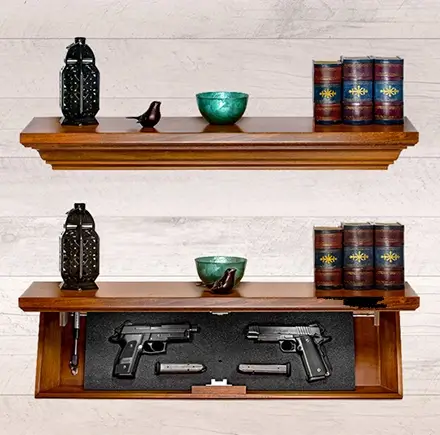
Tactical Trap: Keeping Your Family Safe & Weapons Ready
Tactical Trap Safe Storage Solutions
FREE Legal Gun updates for your State, use promo code PSTC
US Law Shield Legal Updates
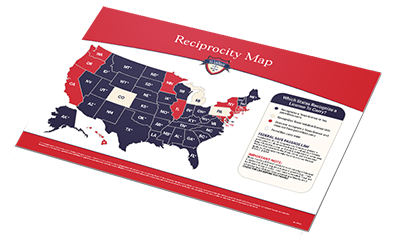
FREE Reciprocity Map, state by State, use promo code PSTC
US Law Shield Reciprocity Map
Try US Law Shield FREE for 30 days, download the app
US Law Shield Free Trial