
Unplanned Pregnancy Support Changed How I Viewed Jan’s Story
I sat down with Jan during a quiet evening interview. From the moment she started speaking, I realized her story carried pain, regret, and honesty. More importantly, her experience revealed how badly many women need unplanned pregnancy support when life falls apart.
At first, Jan appeared nervous. However, she slowly opened up about addiction, unstable relationships, and the crushing feeling of abandonment. As I listened, I understood she did not want sympathy alone. Instead, she wanted people to recognize how isolation can push someone toward decisions they never imagined making.
According to the U.S. Department of Health and Human Services, access to support systems and mental health resources can significantly affect outcomes for women facing crisis pregnancies. Jan’s experience reflected that reality in painful detail.
H2: Unplanned Pregnancy Support and Family Rejection
Jan explained that her problems intensified when she became pregnant. Although she did not want an abortion, she felt trapped by her circumstances.
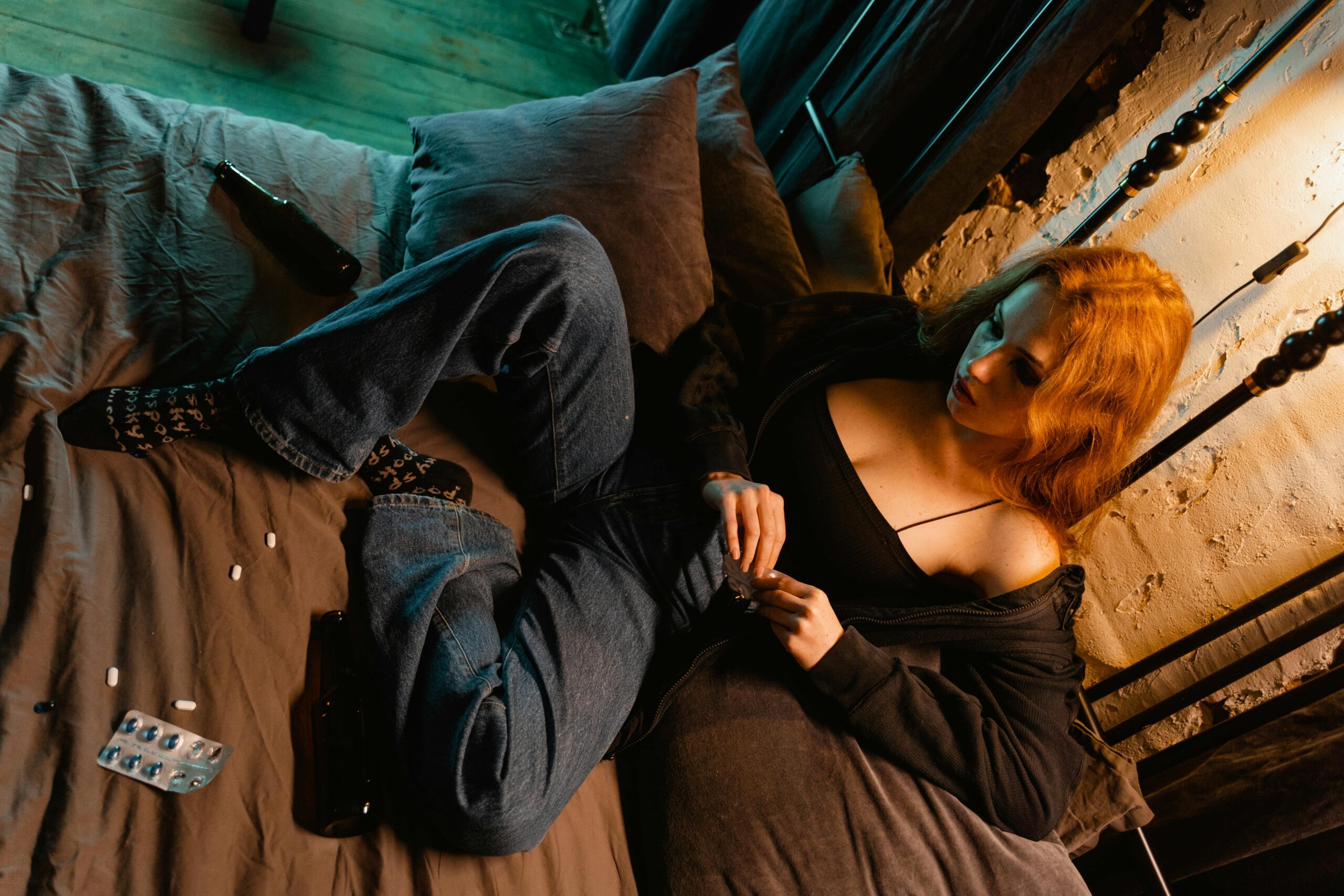
She admitted that drugs controlled much of her life at the time. In addition, unstable relationships left her without dependable emotional support. Eventually, her family cut off all contact with her.
Her mother wanted no involvement in her struggles. Meanwhile, her father stopped helping after she turned eighteen. As a result, Jan felt abandoned by the people she trusted most.
While she described those moments, I could hear the frustration in her voice. She knew she needed guidance. Unfortunately, she felt completely alone.
Many women experience similar fears during crisis pregnancies. Therefore, organizations like US LawShield often discuss personal safety, legal preparedness, and family stability issues that affect vulnerable individuals during difficult life events.
H2: Addiction, Poverty, and Emotional Pressure
Jan told me she worked minimum wage jobs while struggling with addiction. Consequently, every day became a battle for survival.
She worried about rent, food, and transportation. At the same time, she feared bringing a child into an unstable environment. Even though she wanted to keep the baby, she believed she could not provide a safe and secure environment.
As our conversation continued, she described the emotional conflict she carried. Her morals pushed her in one direction. Yet her circumstances pushed her in another direction.
She said the guilt stayed with her long after the decision.
According to the Substance Abuse and Mental Health Services Administration, addiction and financial instability often increase feelings of hopelessness and isolation. Jan’s story closely mirrored those findings.
Why Better Support Systems Matter
As I listened to Jan, one point became impossible to ignore. She believed stronger support systems might have changed everything.
She wished someone had helped her navigate housing, addiction recovery, and financial assistance. Furthermore, she wished that affordable programs for struggling mothers were easier to access.
Many women face impossible choices because they feel cornered by poverty and emotional stress. Therefore, communities must create stronger pathways for counseling, recovery, and family assistance.
I also believe society often judges people before understanding their circumstances. However, compassion can open doors that criticism never will.
If you want to explore additional family preparedness and safety discussions, visit PSNC.info for related articles and resources.
The Human Side of Difficult Decisions
Jan never asked anyone to excuse her choices. Instead, she wanted people to understand the pressure they were under.
During our interview, she repeatedly returned to one idea. She wanted someone to stand beside her when life collapsed.
That message stayed with me long after the cameras stopped rolling.
Stories like Jan’s remind us that every person carries hidden battles. Moreover, they remind us that empathy matters during moments of crisis. While many people debate difficult social issues, fewer people ask how to help someone before desperation takes over.
Today, Jan hopes her experience encourages others to seek help early. She also hopes families think carefully before turning away loved ones during vulnerable moments.
Most importantly, she wants women facing similar struggles to know they are not completely alone.
Conclusion
After hearing Jan’s story, I realized how critical support systems become during moments of fear and uncertainty. Financial hardship, addiction, and family rejection can overwhelm even the strongest person.
Nevertheless, compassion, counseling, and accessible resources can still change outcomes.
Jan’s experience serves as a reminder that real people stand behind difficult headlines and emotional decisions. Therefore, communities should focus more energy on prevention, support, and recovery rather than judgment alone.