
Why I Still Believe in Revolver Ownership Benefits
When people ask why I still carry a revolver, I give them a simple answer. I trust it. Over the years, I have handled many firearms, yet I continue to appreciate the practical advantages that revolvers offer for personal defense, training, and everyday carry.
In my experience, the biggest part of revolver ownership benefits comes down to reliability. A revolver uses a straightforward design. Because of that, I spend less time worrying about failures and more time focusing on safe handling and accurate shooting.
According to US Law Shield, firearm owners should understand both the legal and practical sides of self-defense. That advice matters to me because preparation always starts with knowledge.
Revolver Ownership Benefits for Reliability
I appreciate firearms that work when I need them. A revolver has fewer moving parts than many semi-automatic pistols. As a result, I have found them dependable in rough conditions, during long storage periods, and while using different ammunition types.
In addition, revolvers rarely suffer from feeding problems. If a round fails to fire, I pull the trigger again. That simplicity gives me confidence during stressful moments.
Many new gun owners also feel comfortable with revolvers because the controls are easy to understand. I do not need to explain complex safety features or magazine issues. Instead, I can focus on safe firearm handling and marksmanship.
Why I Prefer Simplicity
I enjoy firearms that stay practical. A revolver allows me to load, unload, and inspect the firearm quickly. Therefore, I can spend more time training and less time troubleshooting mechanical issues.
I also appreciate how easy revolvers are to maintain. Cleaning them takes less effort for many shooters because the design remains simple and easy to access.
For people with weaker hand strength, revolvers offer another advantage. Some shooters struggle with operating a semi-automatic slide. However, most revolvers remove that concern completely.
For additional firearm safety education, I often recommend reviewing material from the National Shooting Sports Foundation.
Revolvers and Concealed Carry
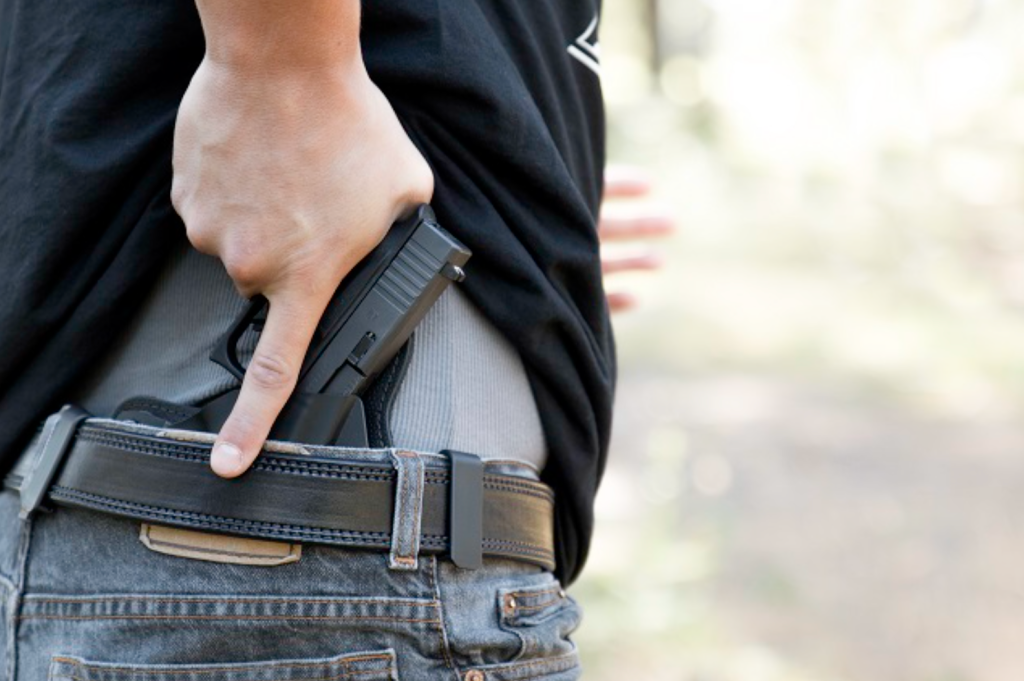
I have carried compact revolvers for years because they conceal well and remain comfortable throughout the day. Their rounded shape also helps prevent snagging on clothing during a draw.
Although revolvers usually carry fewer rounds, I still value their balance between size and performance. In many self-defense situations, reliability and shot placement matter more than high capacity.
Furthermore, many investigators and jurors already understand what a revolver is. That familiarity can influence how people perceive defensive firearm use after an incident. Even so, I believe every responsible gun owner should understand local self-defense laws before carrying any firearm.
You can also review legal education resources through the US Law Shield Blog.
Revolvers for Training and Skill Building
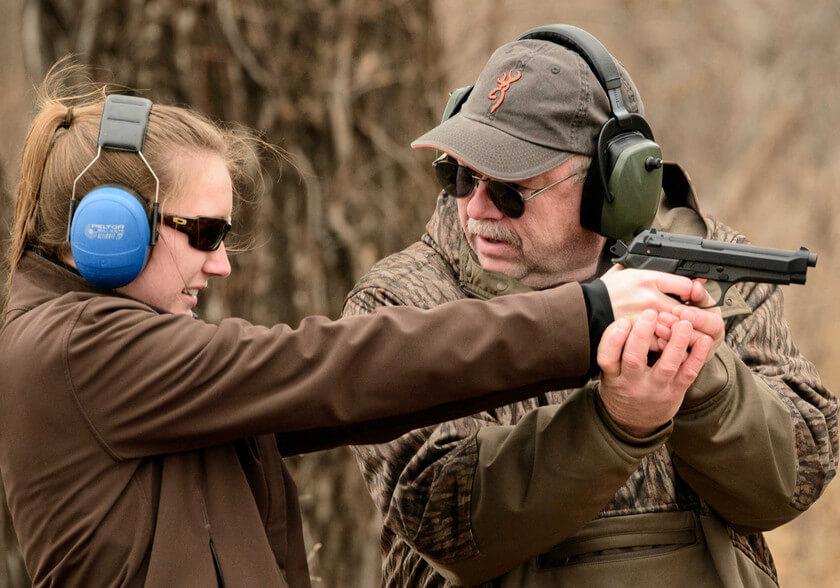
I started many new shooters on revolvers because the manual of arms stays consistent. Once someone learns one revolver, that training usually transfers easily to other models.
I have also noticed that many revolvers produce manageable recoil when paired with the right caliber. Consequently, beginners often build confidence faster during range sessions.
Target shooters continue to use revolvers in competitions because they can deliver excellent accuracy. In addition, hunters still rely on larger caliber revolvers for small and medium game in many states.
Why I Continue to Trust Revolvers
For me, revolvers represent practicality, durability, and confidence. I know what to expect every time I pick one up. That consistency matters whether I am training at the range, carrying concealed, or protecting my home.
Most importantly, I believe responsible firearm ownership starts with training, legal awareness, and safe storage. A revolver is only a tool. The person behind it makes the real difference.
If you want more personal security articles, visit PSNC.info and explore additional firearm safety and preparedness topics.