
Duck Hunting in Northeastern North Carolina: A Tradition I Continue Every Season
I have spent years enjoying duck hunting in Northeastern North Carolina, and every season reminds me why this tradition means so much to me. The cool fall mornings, the sound of wings cutting through the air, and the sight of retrievers charging into icy water create memories that last a lifetime.
Every year, hunters across the region prepare for opening day long before the first duck arrives. We clean our gear, scout local waters, and study migration patterns. In addition, we practice with our shotguns because waterfowl hunting demands quick reactions and accuracy.
The tradition runs deep throughout the Albemarle region. Areas near the sounds, swamps, and flooded timber attract hunters from across North Carolina and neighboring states. According to the North Carolina Wildlife Resources Commission, the coastal region remains one of the most important waterfowl habitats along the Atlantic Flyway.
Why Shotgun Selection Matters During Duck Season
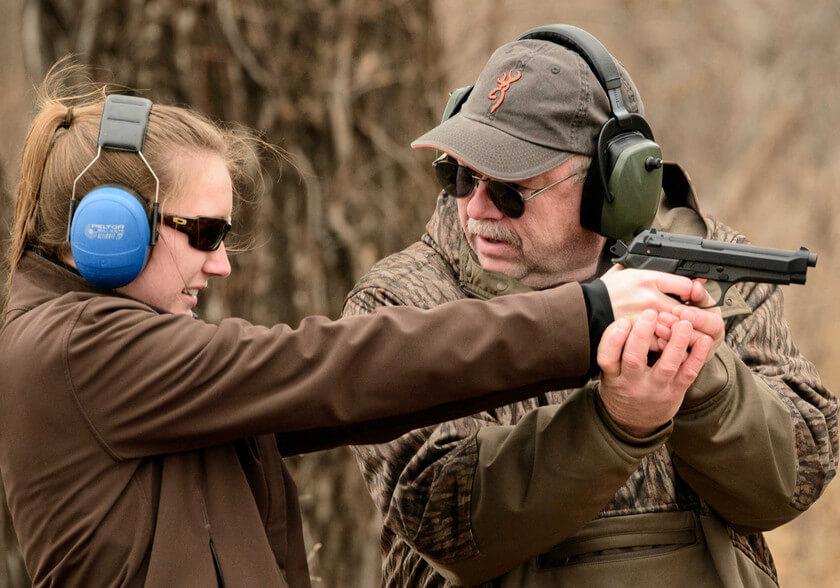
I learned early that the shotgun can make or break a hunt. Most hunters around here prefer a 12-gauge shotgun because it delivers power while still allowing fast follow-up shots. However, some hunters choose 20-gauge models for lighter recoil and quicker handling.
Ammunition also matters. Federal law prohibits lead shot for waterfowl hunting, so I use steel or tungsten loads. These shells protect wetlands while still providing excellent performance. Furthermore, modern non-toxic loads hit harder and pattern better than older steel ammunition.
Before every season, I spend time patterning my shotgun at different ranges. That process helps me understand how my firearm performs in windy marsh conditions. As a result, I make cleaner shots and avoid unnecessary losses.
For additional firearm safety information, I often review resources from the U.S. Fish and Wildlife Service.
Duck Hunting in Northeastern North Carolina With Retrievers
No hunt feels complete to me without a good retriever beside the blind. Labrador Retrievers remain the most common hunting dogs in this area because they handle cold water and rough weather extremely well. However, Chesapeake Bay Retrievers also perform impressively in harsh coastal conditions.
Training takes patience and consistency. I work on obedience first because control matters in the blind. After that, I focus on retrieving drills, hand signals, and gunfire conditioning.
A disciplined retriever can save wounded birds that might otherwise disappear into thick marsh grass. Therefore, these dogs play a major role in ethical waterfowl hunting.
Popular Waterfowl Species in Coastal North Carolina
Several duck species move through Northeastern North Carolina each season. Mallards remain one of the most respected birds among local hunters. Their sharp eyesight and cautious behavior make them difficult targets.
Wood Ducks also attract attention for their beautiful coloring and fast flight. I usually find them near wooded swamps and flooded timber areas.
Teal creates another challenge entirely. These small ducks move quickly and often change direction without warning. Consequently, many hunters consider teal some of the toughest birds to hit consistently.
The Ducks Unlimited website offers excellent migration reports and conservation information for hunters who want to learn more about these species.
Preparing Duck for the Table
After a successful hunt, I always focus on proper cleaning and preparation. Good handling preserves flavor and ensures the meat stays fresh.
One of my favorite meals involves grilled duck breast marinated with local seasonings. I also enjoy slow-cooked duck gumbo during colder months. In addition, roasted duck with a savory glaze remains a favorite family recipe during hunting season.
Cooking traditions matter just as much as the hunt itself. Many recipes passed through generations continue to bring families together after long mornings in the marsh.
A Tradition That Still Matters Today
For me, duck hunting represents far more than harvesting birds. It teaches patience, discipline, and respect for nature. Every trip into the marsh offers another lesson about weather, wildlife, and conservation.
Most importantly, the tradition connects generations. Older hunters share stories and skills with younger hunters, which keeps the heritage alive throughout Northeastern North Carolina.
Each season reminds me why I continue returning before sunrise. The experience, the camaraderie, and the connection to the outdoors never grow old.