
Dove Hunting Season in North Carolina Starts With Tradition
Every autumn, I look forward to the sounds of doves flying over freshly cut fields in northeastern North Carolina. For me, dove hunting season in North Carolina means more than hunting. It represents family traditions, outdoor fellowship, and respect for the land.
As the sun rises over the fields, I hear the steady cooing of doves and feel the excitement build. Moreover, the cooler air and changing leaves create the perfect setting for one of my favorite outdoor activities.
Each year, the North Carolina Wildlife Resources Commission adjusts season dates slightly. Therefore, I always review the official regulations before opening day. Hunters can check current dates and regulations on the North Carolina Wildlife Resources Commission website.
Choosing the Right Hunting Location
I have learned that early September offers the best opportunities. During that time, doves move aggressively through open fields searching for food. In addition, the birds have not yet experienced heavy hunting pressure.
I usually focus on harvested grain fields, sunflower patches, and open farm edges. However, once colder weather arrives, I move closer to water sources and protected feeding areas.
Successful dove hunters study flight patterns carefully. As a result, I spend time scouting before the hunt instead of simply showing up on opening morning.
The Best Shotguns and Ammunition
I prefer a lightweight shotgun that allows quick movement. Most hunters choose either a 12-gauge or 20-gauge shotgun. Personally, I enjoy using a 20-gauge because it handles smoothly during fast shots.
Ammunition matters just as much as the shotgun itself. I normally carry #7.5, #8, or #9 shot loads because they create a wide pattern. Consequently, those loads improve my chances against fast-flying doves.
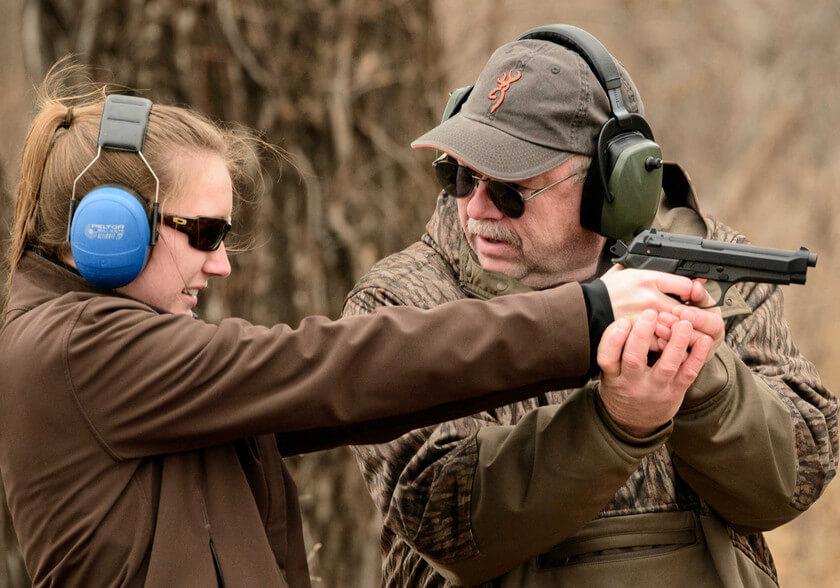
Before every hunt, I also carefully review firearm safety rules. Safe firearm handling protects everyone in the field. Hunters can find additional legal and self-defense information through US Law Shield.
How I Clean and Preserve Doves
After the hunt, I process the birds quickly to preserve freshness. First, I breast out the dove by pressing my thumbs against the breastbone and carefully removing the meat.
Sometimes I choose to pluck the entire bird instead. That method takes longer, yet it preserves the skin for cooking.
Next, I rinse the meat thoroughly and pat it dry. If I plan to cook within a day or two, I refrigerate the meat in sealed bags. Otherwise, I freeze it for later meals.
My Favorite Dove Recipes
Dove Hunting Season in North Carolina: Meals I Always Enjoy
One of my favorite recipes is dove poppers. I wrap the breast strips in jalapeños, cream cheese, and bacon, then grill them slowly. The flavor combination works perfectly after a long day outdoors.
I also enjoy preparing dove in wine sauce. First, I sauté the meat in butter until golden brown. Then, I add onions, garlic, herbs, and red wine. Finally, I serve the dish over mashed potatoes or rice.
Good food often becomes the best part of the hunt because it brings everyone together after the day ends.
Ethical Hunting Matters
I believe ethical hunting remains essential for preserving hunting traditions. Therefore, I always secure permission before hunting private property. In addition, I respect bag limits and wildlife regulations every season.
Responsible hunters protect the future of the sport. Because of that, I encourage every hunter to mentor younger outdoorsmen and promote safe firearm practices.
For additional outdoor and personal safety articles, visit PSNC.info.
Final Thoughts
For me, dove season combines skill, patience, tradition, and great food. Every trip into the fields creates memories that last long after the season ends.
Whether I hunt with lifelong friends or introduce someone new to the outdoors, I always appreciate the experience. Above all, the beauty of northeastern North Carolina makes every hunt worthwhile.