Introduction to North Carolina handgun laws
When I first studied North Carolina handgun laws, I wanted clarity, not confusion. I needed to understand how the state defines a handgun and how the law applies to everyday people like me. So, I broke it down step by step and focused on what actually matters.
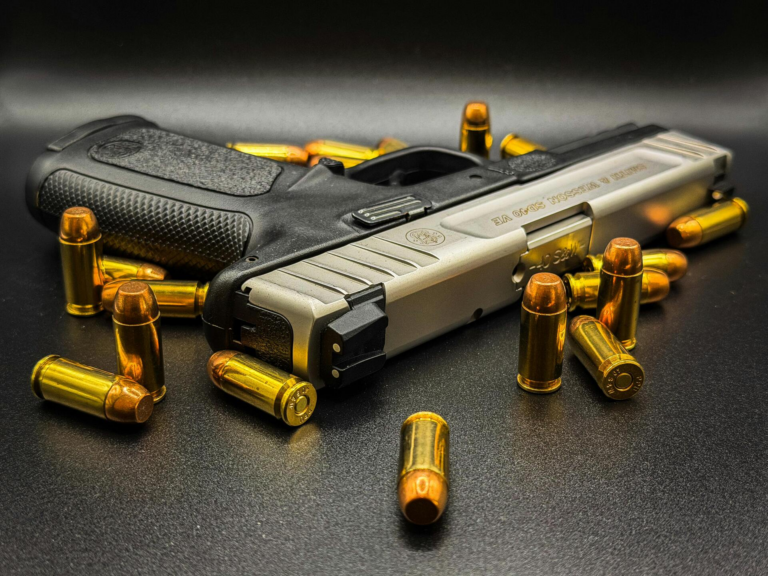
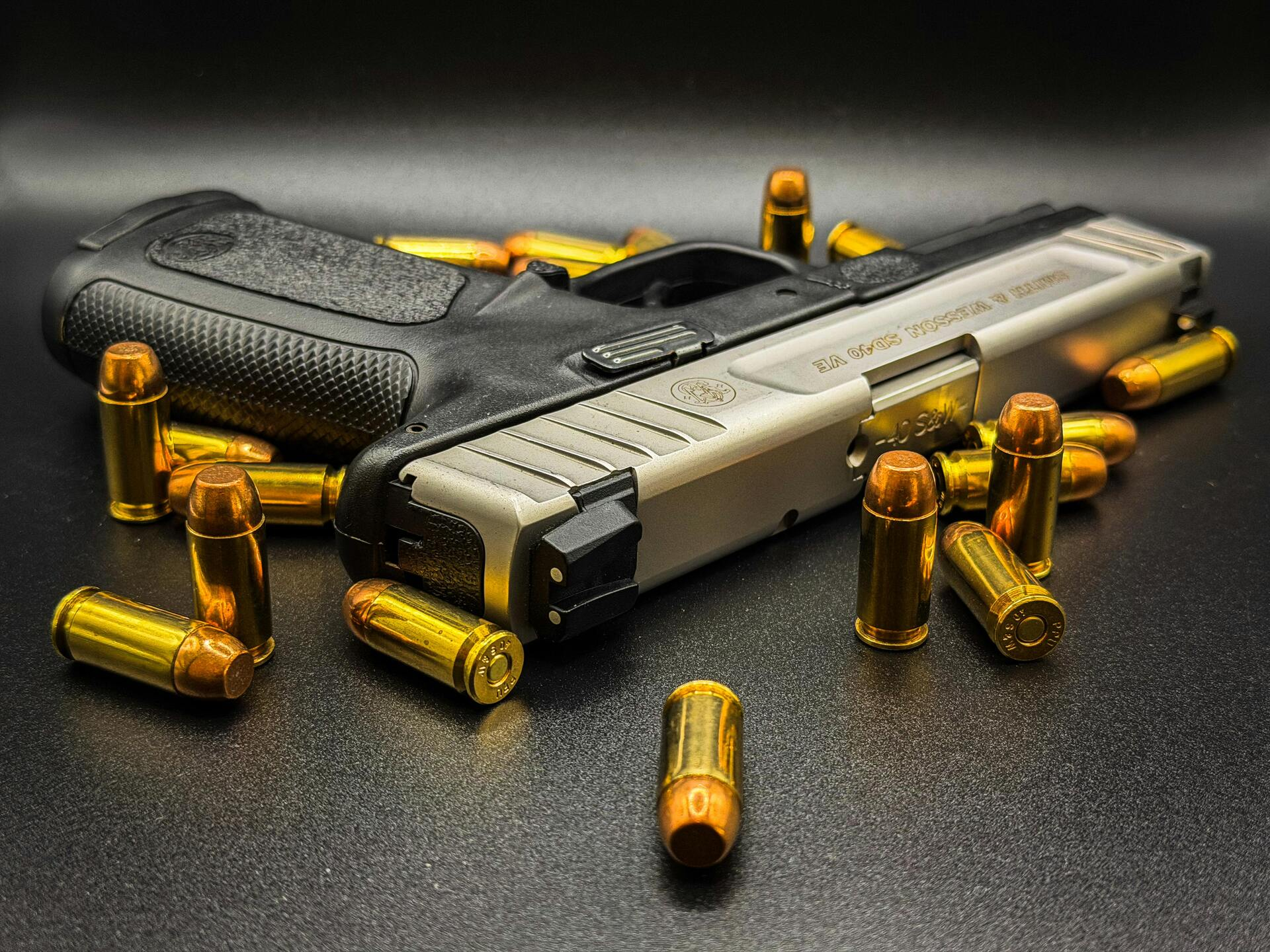
I learned that the state defines a handgun as a firearm designed to be fired with one hand. This includes pistols and revolvers. In addition, it covers other small firearms built for one-handed use.
My understanding of handgun definitions and history
At first, I assumed handgun laws stayed consistent over time. However, I quickly realized they had evolved significantly. In the early 1900s, lawmakers focused on limiting access for certain groups.
As I researched further, I saw how the conversation shifted during the 1960s and 1970s. Many people challenged these laws. They argued the rules often affected minority communities unfairly.
Because of that pressure, the state began to rethink its approach. Over time, lawmakers adjusted policies to balance public safety and individual rights.
How North Carolina handgun laws affect purchasing today
When I looked into modern rules, I focused on purchasing requirements. For years, I understood that buyers needed a permit from their county sheriff. That process included a background check.
However, laws can change. Therefore, I always verify current rules with reliable sources such as the North Carolina Department of Public Safety and the North Carolina General Assembly.
For example, I recommend reviewing official statutes here:
https://www.ncleg.gov
In addition, I check trusted summaries such as:
https://www.ncdps.gov
Carrying and using a handgun responsibly
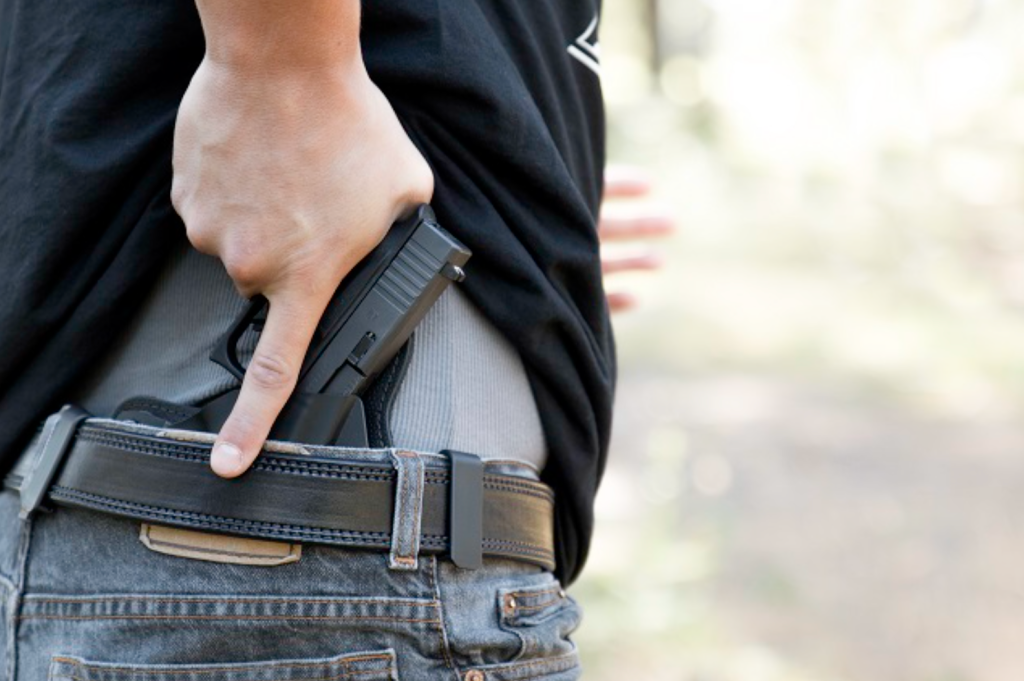
When I explored carrying laws, I focused on responsibility. I learned that concealed carry typically requires a valid permit. Without it, carrying a concealed handgun can lead to serious legal trouble.
Moreover, I found that using a handgun to threaten someone crosses a legal line. The law treats that behavior as a criminal act.
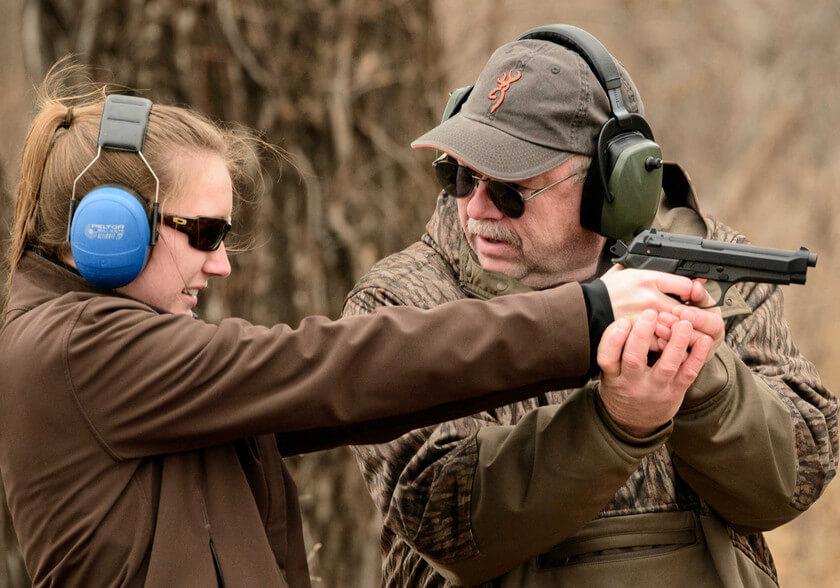
Because of that, I always emphasize safe and lawful use. Responsible ownership is not optional. It is essential.
Why I believe these laws matter
From my perspective, these laws aim to strike a balance. On one hand, they protect public safety. On the other hand, they preserve individual rights.
As a result, I see North Carolina handgun laws as a framework. They guide responsible ownership rather than restrict it without purpose.
If I want to stay compliant, I stay informed. I review updates regularly and rely on credible sources.
Helpful resources and further reading
If I need deeper insight, I explore both state resources and educational content. For example, I often recommend checking internal guides like:
https://psnc.info/firearm-safety-basics
https://psnc.info/legal-self-defense-guide
These resources help connect legal knowledge with real-world application.
Final thoughts
When I step back, I see a clear pattern. Laws evolve, but responsibility remains constant. Therefore, I take the time to understand the rules before I act.
In the end, knowledge keeps me compliant and confident.