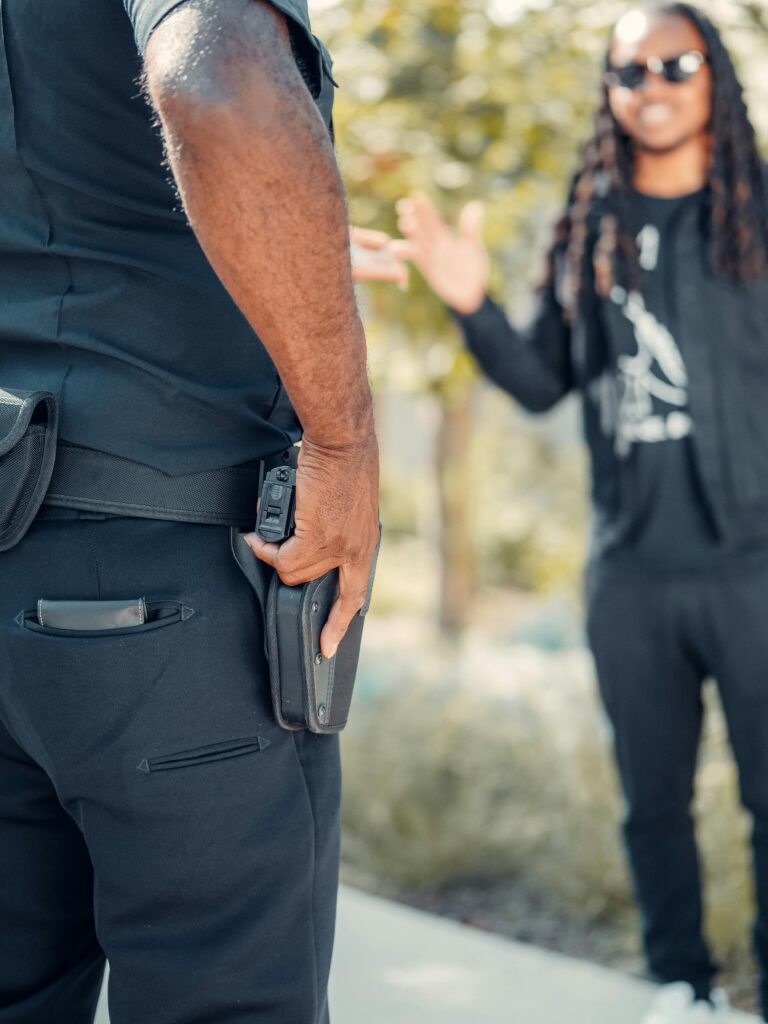

Self-defense is a fundamental skill for everyone, regardless of physical ability. For individuals who use wheelchairs, adapting self-defense techniques becomes essential for personal safety and empowerment. In this article, we’ll explore how wheelchair users can adjust both non-lethal and lethal self-defense tools and techniques, including the use of Mace and firearms like revolvers, to effectively protect themselves.
Mace, also known as pepper spray, is a widely used non-lethal self-defense tool that can be particularly effective for wheelchair users. Its compact size and ease of use make it accessible for individuals with mobility challenges. When confronted with a threat, wheelchair users can quickly access Mace stored in a pouch attached to their wheelchair or on their person.
Adapting the use of Mace involves understanding its effective range and aiming techniques. Wheelchair users should practice deploying Mace in various scenarios to build muscle memory and confidence. Additionally, it’s crucial to familiarize oneself with local laws regarding the carrying and use of pepper spray.
One advantage of Mace for wheelchair users is its ability to create distance between the user and the assailant, providing valuable time to escape or seek assistance. However, it’s essential to remember that Mace is a defensive tool and should only be used as a last resort when facing imminent danger.
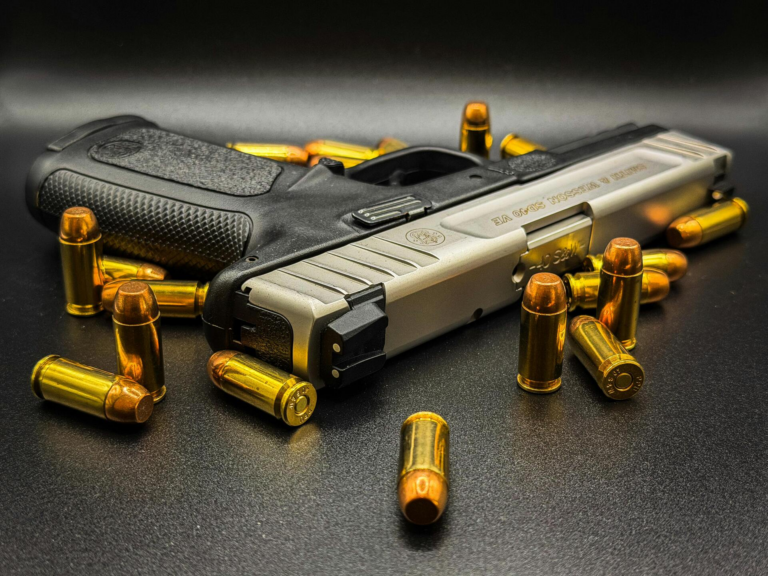
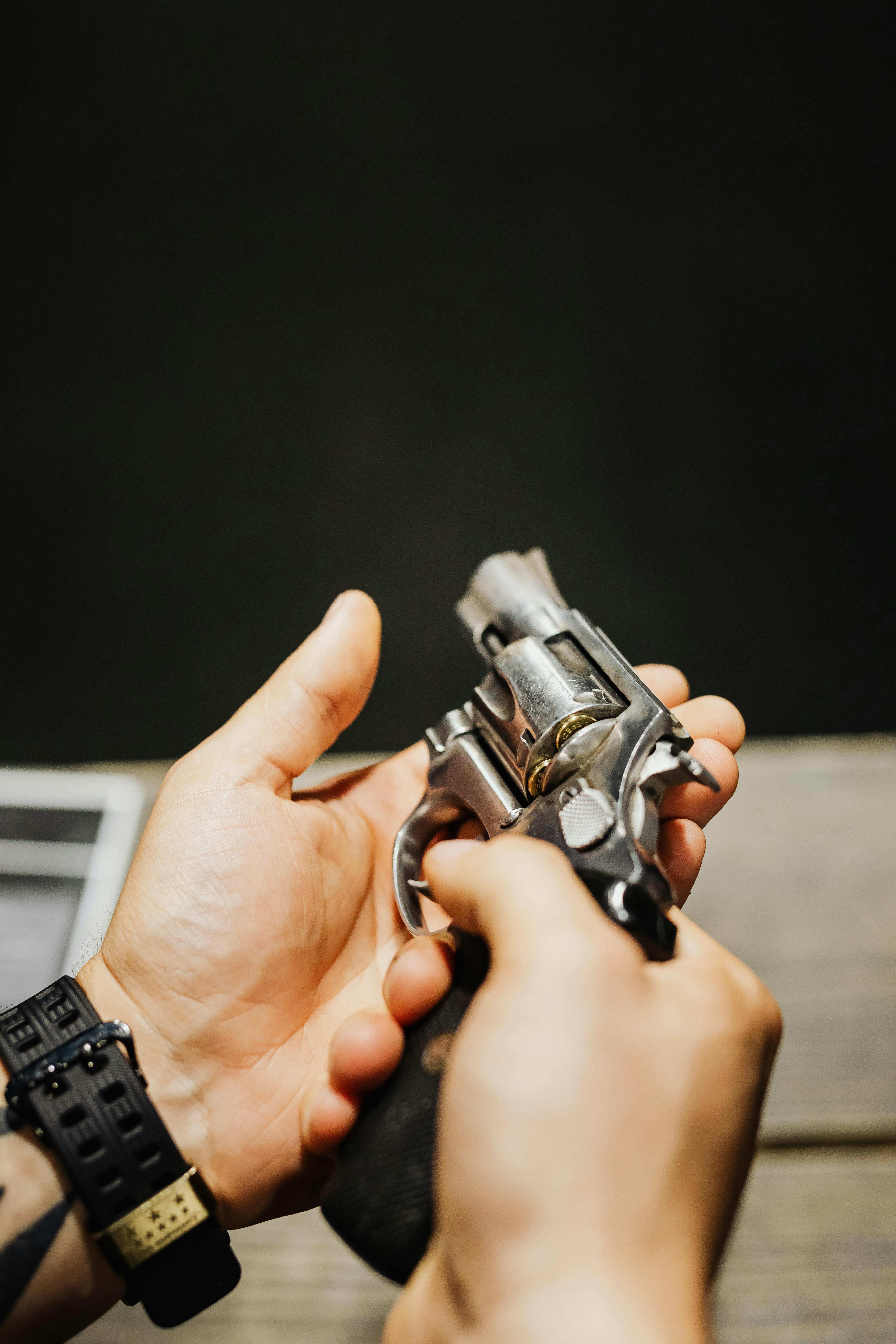
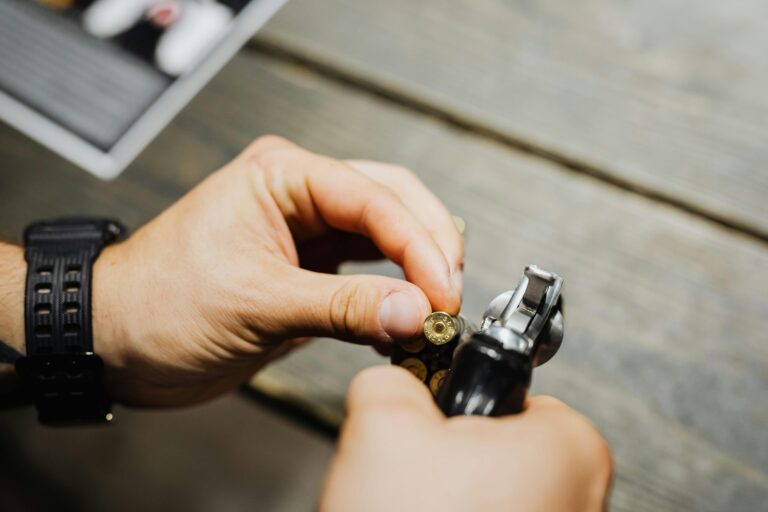
Lethal Force and the Role of Firearms: While non-lethal options like Mace are valuable tools for self-defense, some situations may require the use of lethal force. Wheelchair users have the same rights to self-defense as anyone else, including the right to bear arms. Firearms, such as revolvers, can provide adequate protection in life-threatening situations.
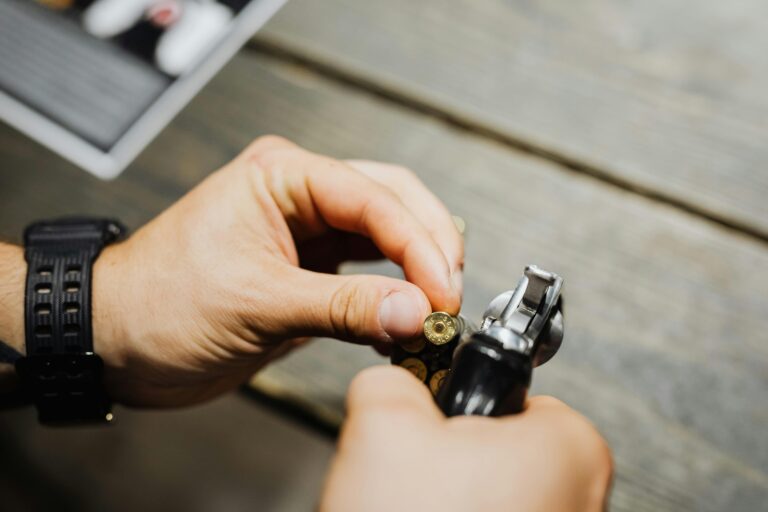
Adapting firearms for wheelchair users involves considerations such as accessibility and proficiency in handling the weapon. Wheelchair users should choose a firearm they can comfortably handle and practice shooting from a seated position. Additionally, modifications such as extended grips or trigger guards may enhance accessibility and control.
Training is paramount when incorporating firearms into self-defense strategies. Wheelchair users should undergo comprehensive firearm safety courses and regular practice at shooting ranges to maintain proficiency. Proper training not only improves accuracy but also ensures responsible firearm ownership.
Wheelchair users need to understand the legal and ethical implications of using lethal force in self-defense. Laws regarding the use of firearms vary by jurisdiction, and individuals must familiarize themselves with local regulations.
In any self-defense scenario, including those involving firearms, the principle of proportionality applies. This means that the level of force used must be proportional to the threat faced. Wheelchair users should be prepared to justify their actions following self-defense laws.
Moreover, ethical considerations come into play when deciding to use lethal force. While protecting oneself is paramount, wheelchair users should prioritize de-escalation and escape whenever possible. The goal of self-defense is to neutralize the threat while minimizing harm to oneself and others.
Adapting self-defense techniques for wheelchair users involves leveraging both non-lethal and lethal tools effectively. Mace provides a convenient and accessible option for creating distance from assailants, while firearms offer a means of last resort for defending against life-threatening situations. However, proper training, awareness of legal considerations, and a commitment to ethical behavior are crucial for wheelchair users to empower themselves while staying safe in an unpredictable world.