

OODA Loop self-defense changed how I Think About Personal Security
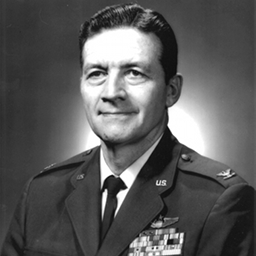
I learned early that personal security starts long before a confrontation happens. My mindset, awareness, and decision-making process all matter. That is why I started studying Colonel John Boyd and his famous OODA loop.
Boyd created this framework for military combat operations. However, I quickly realized the concept also works in everyday civilian life. Whether I am walking through a parking lot, fueling my vehicle late at night, or entering a crowded store, I constantly cycle through observation, orientation, decision-making, and action.
In my experience, preparation beats panic every time.
According to US Law Shield, situational awareness and lawful defensive actions remain critical parts of staying safe during uncertain encounters. Understanding how to think under pressure often matters more than physical strength alone.
Understanding Colonel Boyd’s Decision-Making Model
Colonel Boyd developed the OODA loop after years as a fighter pilot and military strategist. His combat experience during the Korean War shaped his understanding of how fast decisions influence survival.
The process contains four parts:
- Observe
- Orient
- Decide
- Act
The cycle never truly stops. Instead, I continue moving through each stage as circumstances change around me.
Observe the Environment Before Trouble Starts
Observation forms the foundation of survival. I pay attention to people, exits, lighting conditions, and unusual behavior. In addition, I watch for distractions that criminals often create before an attack.
For example, I avoid walking while buried in my phone. I also scan parking lots before leaving a store. Small habits like these help me identify danger earlier.
The National Crime Prevention Council regularly emphasizes awareness and prevention as important parts of personal safety planning.
OODA Loop Self Defense and Situational Awareness
Situational awareness gives me time to think clearly. Without awareness, I lose valuable seconds during an emergency.
When I orient myself, I analyze what I observe. I ask simple questions:
- Does this person appear nervous or aggressive?
- Am I trapped in a corner?
- Is there an escape route nearby?
- Can I de-escalate the encounter?
My orientation stage also includes legal considerations. I never assume force should become the first answer. Instead, I focus on avoidance whenever possible.
I often recommend reviewing self-defense law resources on the US Law Shield Blog, as state laws differ significantly across the country.
Deciding Under Pressure
Decision-making becomes difficult when adrenaline spikes. Because of that, I mentally rehearse possible situations before they happen.
If someone approaches aggressively in a parking lot, I already know several possible responses. I may create distance, move toward witnesses, issue verbal commands, or leave the area entirely.
The key involves making decisions quickly while remaining adaptable.
Criminals often rely on hesitation. Therefore, faster decision cycles can disrupt their plans and create opportunities to escape safely.
Action Must Be Fast and Controlled
Once I decide, I act decisively. Halfhearted reactions usually create more danger.
Action does not always mean physical force. Sometimes the smartest move is to leave immediately. Other times, it means calling law enforcement, creating barriers, or using verbal commands to stop escalation.
Physical defense should remain lawful, reasonable, and necessary under the circumstances.
In addition, I continue observing during the action phase. If conditions change, I restart the cycle immediately. That constant adaptation makes the OODA loop so effective in real-world encounters.
Applying the OODA Loop in Daily Life
I use this framework everywhere.
While driving, I monitor suspicious vehicles and watch traffic patterns. At restaurants, I identify exits before sitting down. During travel, I remain alert in crowded areas where distractions happen easily.
The process also helps in outside security situations. I use it during stressful business decisions, conflict resolution, and emergency planning.
Most importantly, the OODA loop keeps me proactive instead of reactive.
Why This Strategy Still Matters Today
The world changes quickly. Criminal tactics evolve, social tensions rise, and emergencies happen without warning. Because of that, decision-making skills matter more than ever.
The OODA loop gives me a repeatable process for staying calm and adaptable. I do not rely on luck. Instead, I rely on awareness, preparation, and quick thinking.
That mindset can help anyone improve personal security and confidence in uncertain situations.
For additional training resources and personal security discussions, visit Personal Security News Center.