Concealed Carry Decision Training and the Lessons I Learned From Airline Pilots
I have always found it fascinating how airline pilots prepare for emergencies. They spend countless hours inside advanced flight simulators. Those simulators force them to make rapid decisions under pressure while protecting everyone on board.
As I studied pilot training, I noticed clear similarities with armed self-defense training. Both environments demand calm thinking, strong judgment, and disciplined decision-making. In both cases, one bad choice can change lives forever.
Therefore, I believe realistic scenario-based training matters just as much for responsibly armed citizens as it does for professional pilots.
According to the Federal Aviation Administration, simulator training allows pilots to safely practice dangerous emergencies before facing them in real life. Likewise, responsible firearms training gives concealed carriers a controlled environment to improve judgment before encountering a deadly threat.
Why Flight Simulators Work So Well
Airline pilots never wait for a real emergency to begin learning. Instead, they repeatedly train for catastrophic situations until proper responses become second nature.
Pilots face simulated engine failures, severe weather, instrument malfunctions, and communication breakdowns. During those moments, they must quickly evaluate conditions and make safe decisions.
I see tremendous value in that approach. Repetition builds confidence while reducing panic.
For example, pilots constantly practice navigation drills in low-visibility conditions. They learn how to trust their instruments even when external conditions become confusing. Similarly, concealed carriers must learn to process information accurately during stressful encounters.
In addition, communication training plays a major role in aviation safety. Pilots practice speaking clearly with air traffic control and crew members during emergencies. Effective communication often prevents confusion from becoming a disaster.
The same principle applies to self-defense incidents. Clear verbal commands can de-escalate situations and help witnesses identify the aggressor.
Concealed Carry Decision Training Under Stress
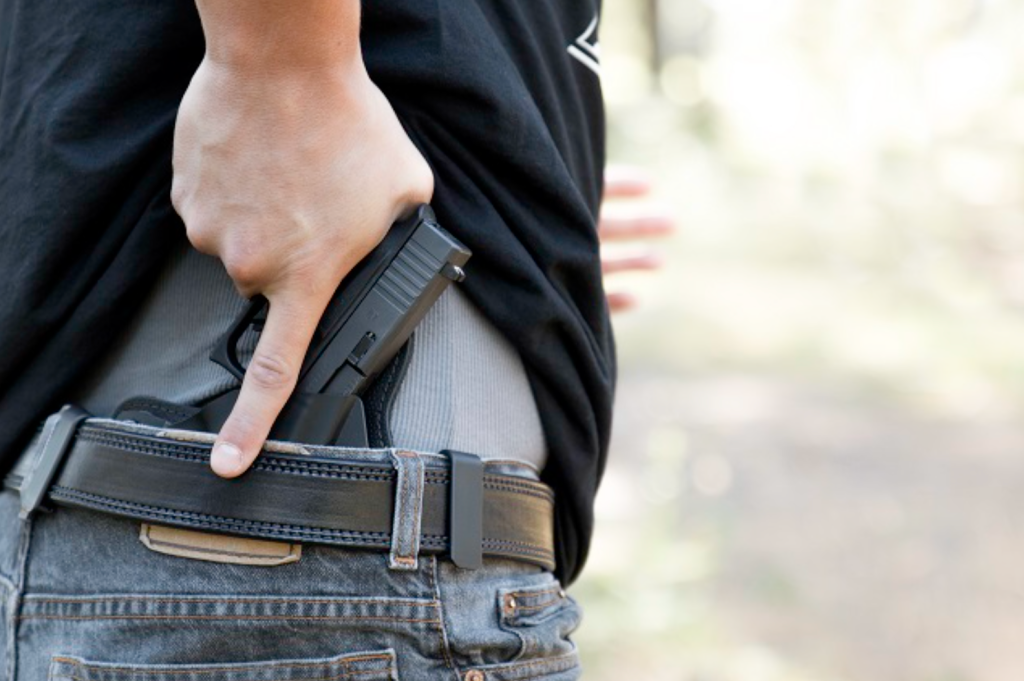
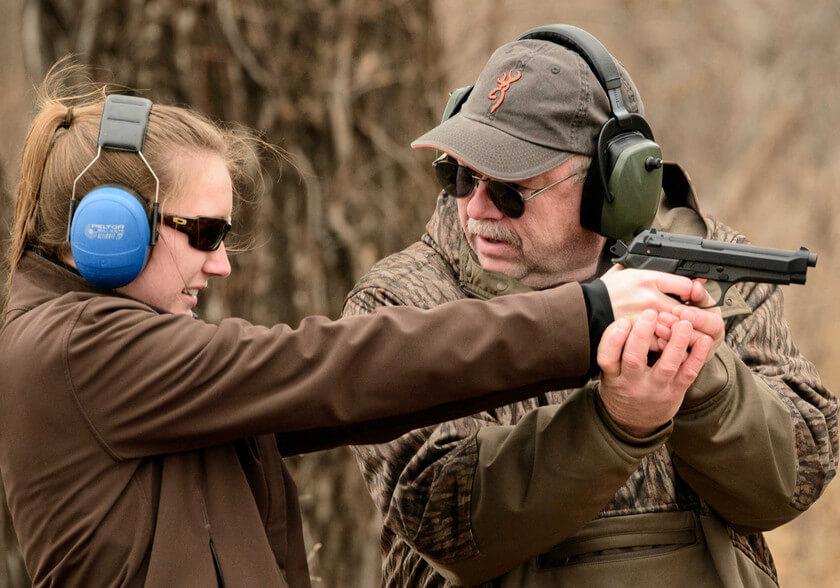
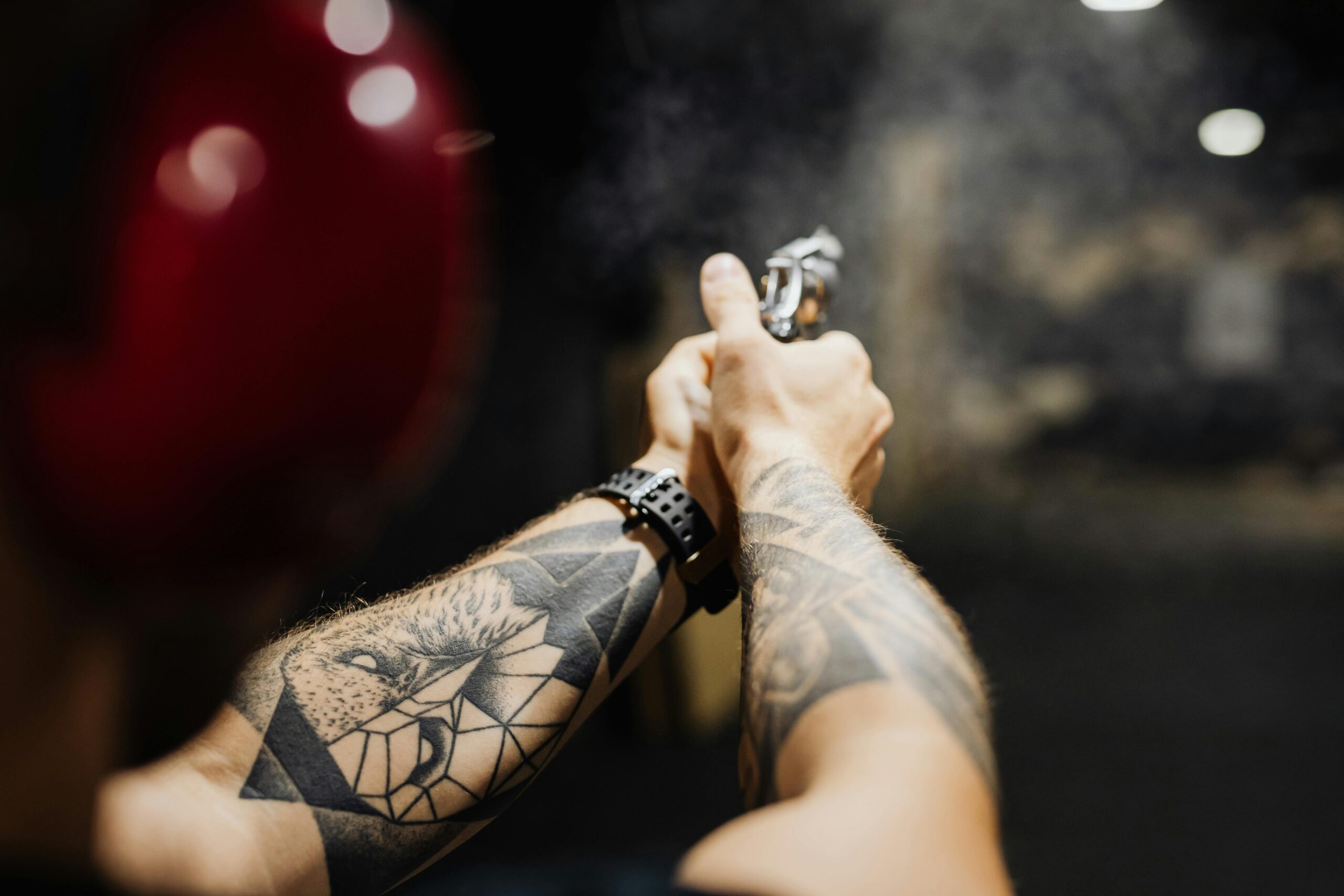
When I attend firearms training classes, I focus heavily on decision-making instead of marksmanship alone. Shooting accurately matters. However, judgment matters even more.
A concealed carrier must identify whether a threat truly presents an immediate danger of death or serious bodily harm. That process happens quickly, often within seconds.
Because of that reality, many instructors now use force-on-force training and scenario-based exercises. Those drills place students into realistic situations where they must decide whether to draw, retreat, communicate, or call law enforcement.
I believe this kind of training mirrors aviation simulators in many ways. Both systems expose students to stress while allowing mistakes to become learning opportunities instead of tragedies.
The legal side also matters greatly. Responsible armed citizens must understand self-defense laws before carrying a firearm.
US Law Shield provides educational resources covering use-of-force laws, legal defense considerations, and critical self-defense issues across the United States.
Understanding Third-Party Risk
One of the most important lessons I have learned is the importance of awareness of innocent bystanders.
Pilots constantly think about passenger safety during emergencies. They must evaluate every action while considering the people around them.
Likewise, armed citizens carry tremendous responsibility. Every round fired has a destination. Therefore, situational awareness becomes critical.
I train to recognize background conditions, nearby exits, and possible escape routes before problems develop. In crowded environments, those details matter.
Furthermore, I believe scenario training improves decision-making because it forces students to think beyond the firearm itself. Good training teaches restraint, communication, movement, and avoidance whenever possible.
Building Better Judgment Through Repetition
Pilots become safer through repeated exposure to difficult scenarios. The same principle applies to armed self-defense training.
Under stress, the human body experiences tunnel vision, auditory exclusion, and reduced fine motor skills. Because of this, realistic practice becomes essential.
I have found that scenario-based drills create valuable mental preparation. They force participants to process incomplete information while remaining calm and lawful.
That type of preparation helps develop disciplined responses instead of emotional reactions.
The National Shooting Sports Foundation also emphasizes the importance of ongoing firearms education and responsible ownership practices.
Final Thoughts on Responsible Training
The parallels between aviation simulators and armed citizen training are impossible for me to ignore. Both systems focus on preparation, discipline, and decision-making under pressure.
Neither pilots nor concealed carriers can afford to engage in reckless behavior. Instead, both groups must develop the ability to remain calm while evaluating rapidly changing situations.
Most importantly, realistic training helps people make better choices before a crisis occurs. That preparation protects lives, reduces unnecessary harm, and encourages responsible action under stress.
For additional self-defense and preparedness content, readers can also explore PSNC.info for related articles and training discussions.