
Self-Service Kiosk Scam Risks Changed How I View Convenience
I used to think self-service kiosks were safe. I believed they saved time and made daily errands easier. However, after reading about the risks of self-service kiosk scams, I began paying closer attention to how criminals target unsuspecting customers.
Recently, I came across the story of a woman in Buffalo, New York, who experienced every shopper’s nightmare. After using a parking kiosk in downtown Buffalo, she later discovered someone had drained hundreds of dollars from her bank account. Her experience reminded me that convenience often comes with hidden dangers.
According to the victim, the trouble started after she paid for parking at a premium lot connected to a hotel. Weeks later, suspicious charges appeared on her bank statement. At first, the transactions looked small. Unfortunately, those charges continued until a larger recurring membership fee triggered an alert from her bank.
How Criminals Exploit Self-Service Kiosks
When I looked deeper into the case, one detail stood out immediately. The victim believed the parking area was safe because it served hotel guests. Sadly, criminals often target locations where people feel secure.
Scammers use several tactics at kiosks. In many cases, thieves install skimming devices that capture card information. Some criminals also hide tiny cameras near payment terminals to record PINs. As a result, victims may not realize anything happened until fraudulent charges appear days later.
According to the Federal Trade Commission, skimming devices remain one of the most common forms of payment theft in the United States. In addition, the FBI Cyber Division warns consumers to inspect payment machines carefully before inserting their cards.
I also noticed another red flag in the victim’s story. When she called the company tied to the fake membership charge, the answering service immediately asked for personal information. Fortunately, she trusted her instincts and contacted her bank instead.
Self-Service Kiosk Scam Risks Continue Growing
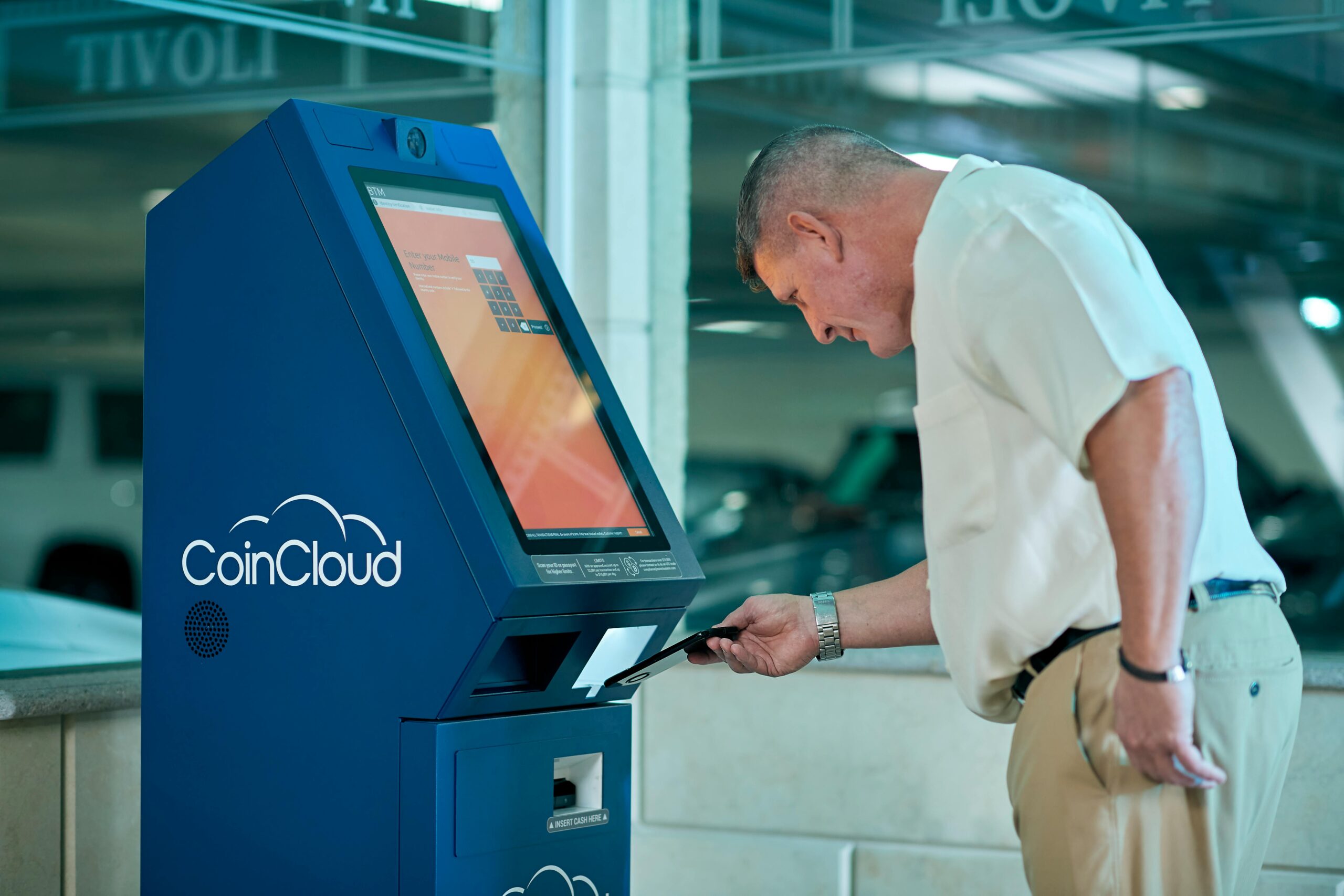
As more companies reduce labor costs, kiosks now appear almost everywhere. I see them at grocery stores, parking decks, airports, hotels, and fast food restaurants. While these machines improve speed, they also create new opportunities for criminals.
The self-service kiosk industry now represents billions of dollars in the United States. Consequently, cybercriminals continue adapting their methods to exploit both businesses and consumers.
In my view, many people trust kiosks too quickly. Most customers complete transactions without checking for loose card readers or unusual attachments. Unfortunately, that moment of distraction can become expensive.
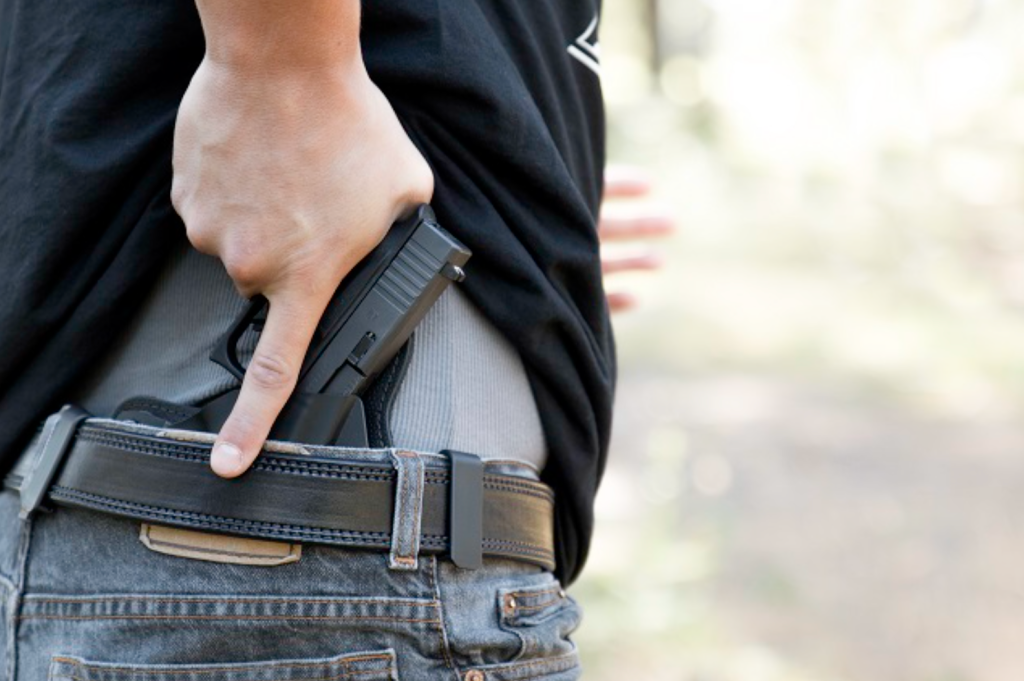
For consumers who carry concealed firearms or value personal safety, situational awareness matters just as much online as in public spaces. Articles from US Law Shield often stress the importance of recognizing threats before they escalate. Financial crimes deserve the same level of attention.
What I Now Do Before Using Any Payment Kiosk
After learning about this incident, I immediately changed several habits. First, I inspect every payment terminal before inserting my card. If the reader looks loose or damaged, I walk away.
Second, I avoid using debit cards whenever possible. Credit cards often provide stronger fraud protection. Therefore, disputing unauthorized charges becomes easier.
Third, I frequently monitor my bank statements. Small charges can signal larger fraud attempts later. In many scams, criminals test stolen cards with low-dollar purchases before making major transactions.
I also prefer tap-to-pay options when available. Contactless payments reduce direct interaction with the card reader. According to many cybersecurity experts, this method lowers the chance of card skimming.
For additional personal safety articles, readers can also visit Personal Security News for practical security awareness tips.
Convenience Should Never Replace Awareness
I understand why businesses embrace automation. Self-service kiosks move lines faster and reduce staffing expenses. Nevertheless, consumers still carry the burden when criminals exploit weak security systems.
The Buffalo victim did everything most people would do. She parked her vehicle, used a legitimate kiosk, and trusted the location. Even so, scammers still found a way to steal her financial information.
That story serves as a reminder for all of us. Convenience feels great until fraud empties your bank account. Because of that, I now treat every payment kiosk with caution and pay close attention to my surroundings before entering any financial information.