
Crabbing in Northeastern North Carolina: My Favorite Blue Crab Tips and Cooking Guide
Every summer, I look forward to crabbing in northeastern North Carolina. Nothing beats the excitement of checking a crab pot and seeing blue crabs fighting their way across the wire basket. I grew up around these waters, so crabbing feels like part of everyday life for me.
I spend most of my time around creeks, marshes, and brackish rivers near the Albemarle region. Over the years, I have learned that timing, bait, and patience matter just as much as luck. When I plan a trip the right way, I usually bring home enough crabs for a family feast.
Why I Love Crabbing in Northeastern North Carolina
I enjoy crabbing because every trip feels different. Some mornings start with calm water and an empty pot. However, an afternoon tide change can suddenly fill the basket with hungry blue crabs.
The area offers excellent habitat for crabs. Marsh grass, shallow creeks, and protected shorelines create ideal feeding grounds. In addition, the slower pace of coastal life makes every trip relaxing.
The North Carolina wildlife regulations also help protect crab populations. Before heading out, I always review the local rules on the North Carolina Division of Marine Fisheries website.
The Best Time I Go Crabbing
I usually start crabbing in late spring. By June, the water warms enough for steady crab movement. July and August often produce my biggest catches.
Early mornings work best for me during hot weather. I also pay close attention to tides. Crabs feed aggressively around tide changes, especially an hour before high tide or low tide.
Weather conditions matter too. Heavy rain can lower salinity levels and push crabs into different areas. Because of that, I always adjust my locations after storms.
My Favorite Bait for Blue Crabs
Over the years, I have tested almost every bait imaginable. Fresh bait consistently gives me the best results.
These are my top choices:
Fresh Menhaden and Fish Heads
Fresh oily fish creates a strong scent trail underwater. Menhaden works especially well because the oils spread quickly through the current.
Chicken Necks for Budget-Friendly Crabbing
Chicken necks remain one of the cheapest bait options. Although they do not last as long as fish, they still attract plenty of crabs.
Commercial Crab Bait Mixes
Sometimes I buy prepared bait blends from local tackle shops. These mixes combine several scent attractants and save time when I cannot catch fresh bait first.
Where I Set My Crab Pots
Location makes a huge difference. I look for structure because crabs like protected feeding areas.
My favorite spots include:
- Boat docks
- Wooden pilings
- Creek mouths
- Marsh edges
- Grassy shorelines
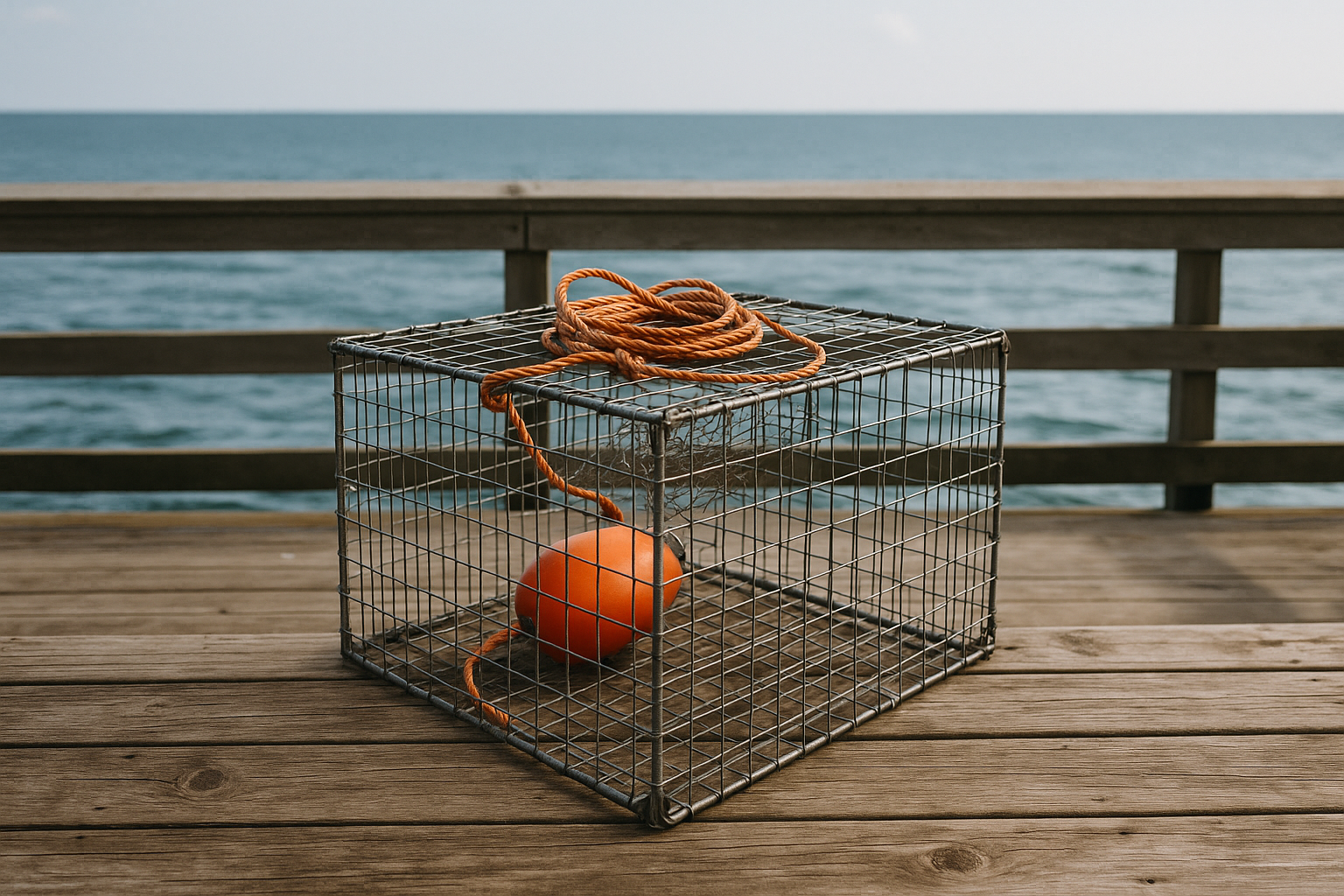
I usually place pots in water between three and twelve feet deep. Then I make sure the trap sits flat on the bottom.
Bright buoys help me locate the pots quickly. More importantly, they help other boaters avoid running over my lines.
How I Prepare Fresh Blue Crabs
After a successful trip, I head home and start cooking immediately. Fresh crab tastes best when prepared the same day.
First, I fill a large pot with water and seasoning. Then I bring the water to a rolling boil before adding the crabs.
I normally cook them for about ten minutes until the shells turn bright orange-red. After that, I place the crabs in ice water to stop the cooking.
Cleaning crabs takes a little practice. I remove the apron underneath the shell first. Next, I pull off the top shell and clean away the gills and organs. Finally, I rinse everything thoroughly before picking the meat.
My Favorite Ways to Cook Blue Crab
Fresh crab meat works in almost any seafood recipe. Personally, I prefer simple flavors that let the sweetness stand out.
Some of my favorite dishes include:
- Steamed crabs with vinegar and beer
- Crab cakes with light seasoning
- Creamy crab chowder
- Cold crab salad with lemon
- Garlic butter crab meat over rice
I often use Old Bay seasoning because it pairs perfectly with blue crab flavor.
For seafood safety and preparation tips, I sometimes reference the FDA Seafood Guidelines before large gatherings.
A Coastal Tradition Worth Experiencing
For me, crabbing represents more than catching dinner. It connects me to the outdoors and to the coastal traditions that make this part of North Carolina special.
Some days bring overflowing pots. Other days only bring peace on the water. Either way, I never regret spending time along the marshes and creeks.
If you enjoy fresh seafood and coastal adventure, I strongly recommend trying crabbing in northeastern North Carolina.
Suggested Internal Link
You can also link this article to related outdoor or coastal lifestyle content on PSNC.info if you have articles on fishing, boating, or personal outdoor safety.