The Psychological Impact of a Defensive Shooting Changed My Life
The psychological impact of a defensive shooting became real to me the moment the chaos stopped. At first, my body stayed in survival mode. My heart raced, my hands shook, and every sound around me felt amplified. Even after the danger ended, my mind refused to slow down.
In those first hours, I struggled to process what had happened. I replayed every decision repeatedly. I questioned whether I could have reacted differently. Although the shooting may have been legally justified, the emotional weight felt overwhelming.
At the same time, I noticed symptoms I never expected. I became hyperaware of my surroundings. Sudden noises startled me. Sleep became difficult because intrusive thoughts kept returning. In addition, I felt detached from normal life for several days.
According to US LawShield, people involved in self-defense shootings often face legal, emotional, and financial stress long after the incident ends.
PTSD and Emotional Trauma After a Shooting
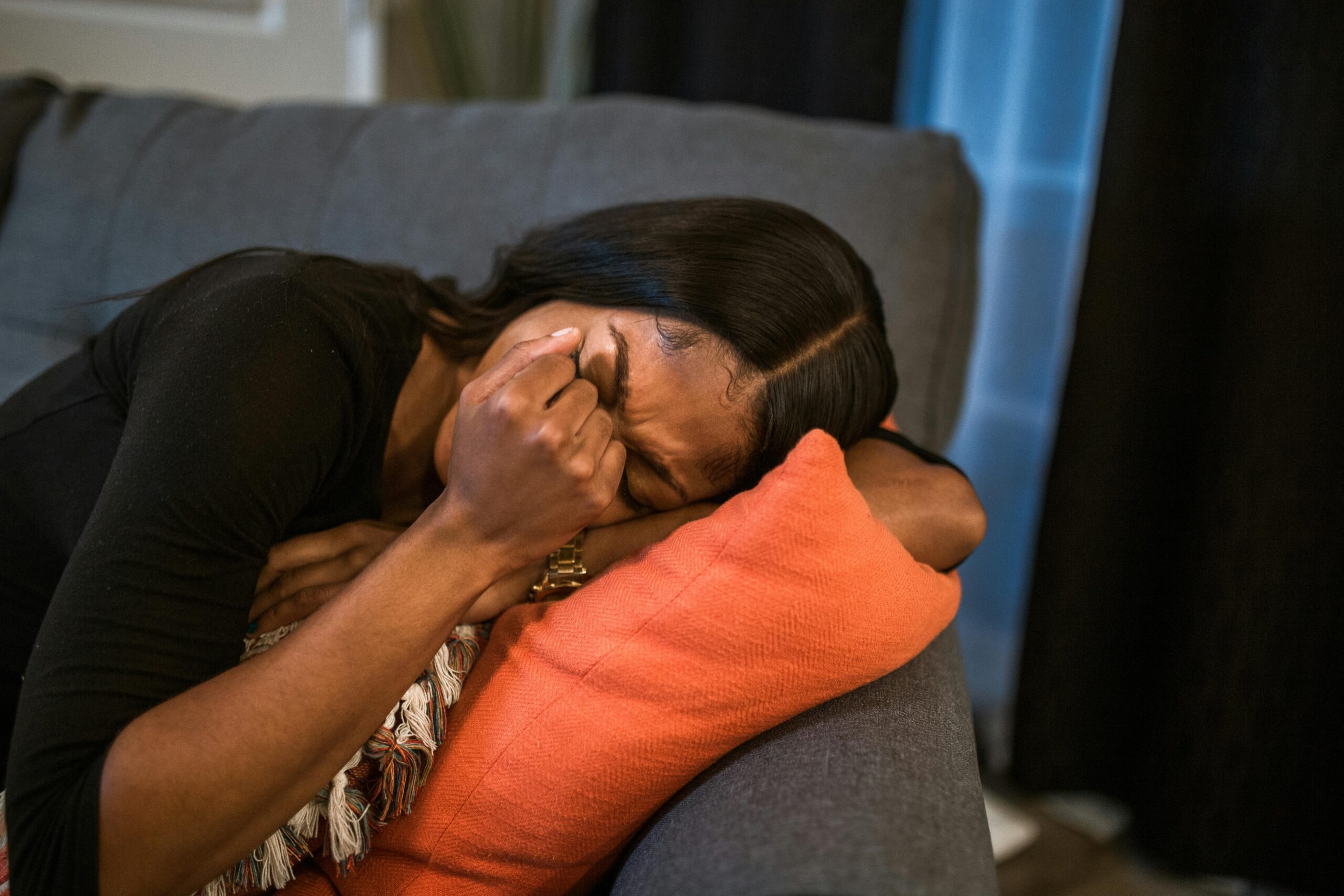
As the days passed, the emotional effects became more intense. I experienced vivid memories of the event without warning. Sometimes those memories appeared during quiet moments. Other times, they surfaced while driving or walking into a store.
Eventually, I understood why many people develop symptoms linked to Post-Traumatic Stress Disorder after violent encounters. Flashbacks, nightmares, anxiety, and emotional numbness can appear suddenly. Furthermore, those symptoms may continue for months or even years.
I also discovered that guilt plays a major role after a shooting. Even when someone acts lawfully, they may still wrestle with moral questions. I found myself repeatedly thinking about alternate outcomes. That internal conflict can create what mental health professionals describe as moral injury.
According to the National Center for PTSD, trauma can affect memory, concentration, emotional control, and relationships. Those struggles often worsen when people isolate themselves rather than seeking support.
Legal Pressure Can Intensify Emotional Stress
The legal aftermath added another layer of pressure. Investigations, interviews, and fear of possible charges created constant anxiety. In addition, media attention and public judgment can make someone feel isolated very quickly.
I realized that surviving the incident physically was only one part of the battle. The emotional and legal recovery process became a separate challenge entirely. Because of that, many people involved in shootings benefit from both legal representation and mental health support immediately afterward.
For example, US LawShield educational resources discuss the importance of understanding self-defense laws before a violent encounter ever occurs. Preparation matters because confusion in the aftermath can dramatically increase stress.
If you want additional personal safety discussions, visit Personal Security News for related articles and training topics.
Why Psychological Support Matters
Eventually, I learned that recovery requires honest conversations and professional guidance. Ignoring emotional trauma rarely makes it disappear. Instead, suppressed stress often returns through anger, anxiety, depression, or substance abuse.
Because of that reality, counseling became important. Talking through the experience helped me better understand my reactions. More importantly, it reminded me that traumatic stress responses are common after violent incidents.
Support systems also matter. Family members, trusted friends, attorneys, and trained counselors can help stabilize someone during the difficult weeks that follow a shooting. Without that support, many people feel completely alone.
The emotional consequences of deadly force extend far beyond the moment itself. Although every situation differs, the mental and emotional scars can remain long after the investigation ends.