Understanding Self-Defense Before a Crisis Starts
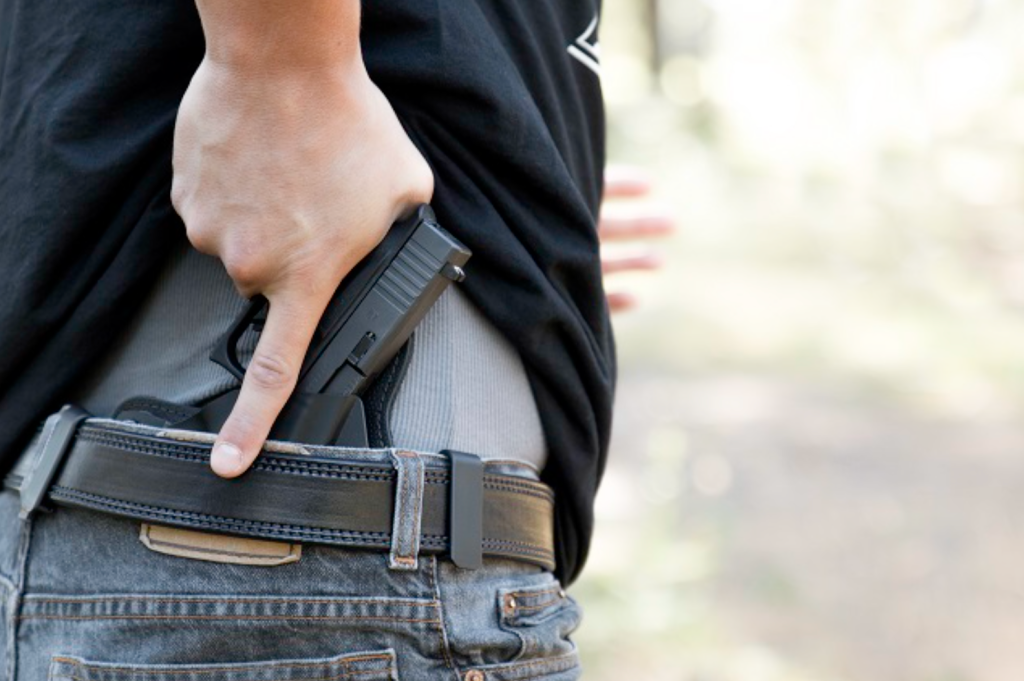
When I teach self-defense decision-making, I never begin with firearms. Instead, I begin with mindset, awareness, and responsibility. Too many people focus on whether they can use force. I believe the better question is whether they must use force because every other safe option has failed.
That distinction matters legally and morally. In addition, it can determine whether someone survives physically, financially, and emotionally after a violent encounter.
I have learned that most self-defense situations move quickly. However, the legal system often examines those same moments slowly and carefully. Because of that, I always encourage people to understand the principles that courts, investigators, and juries may review after an incident.
For additional legal education, I recommend reviewing resources from US Law Shield and training information from The National Self-Defense Institute.
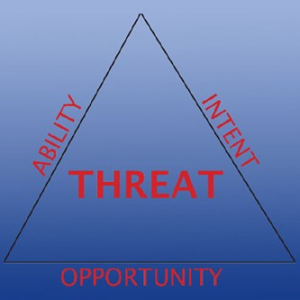
Ability Changes the Threat Level
I first look at ability when evaluating danger. Ability means the aggressor has the physical power, weapon, or means to cause serious bodily harm or death.
Sometimes that ability is obvious. A firearm, knife, or blunt object immediately changes the situation. On the other hand, physical size, strength, multiple attackers, or fighting skill can also create deadly danger.
For example, a violent attacker who corners an elderly victim may present a serious threat even without a weapon. Therefore, ability is not limited to firearms or knives alone.
I remind people that every situation differs. Context matters. Investigators often examine the totality of the circumstances rather than a single isolated factor.
Opportunity and Intent Work Together
Ability alone does not automatically create immediate danger. The aggressor must also have the opportunity to use that ability.
If someone threatens me from across a parking lot while holding a knife, distance may temporarily reduce the danger. However, that changes quickly if the person closes the gap aggressively.
Intent also matters. Intent appears through actions, words, body language, and movement. A person advancing while making threats creates a far different situation than someone simply yelling from a distance.
Because of that, I pay attention to behavior patterns. Sudden movements, aggressive positioning, and verbal threats can all signal escalating danger.
Immediate Jeopardy Means Danger Is Happening Now
Immediate jeopardy exists when the threat becomes unavoidable and imminent. In simple terms, I believe this is the moment when a reasonable person recognizes that serious harm could happen immediately.
This principle separates future fear from present danger.
An angry person yelling insults may create concern. However, an armed attacker moving toward me aggressively while ignoring commands to stop creates immediate jeopardy.
Timing matters tremendously in self-defense cases. If force happens too early, the action may appear unjustified. If force happens too late, the victim may not survive.
Therefore, awareness and judgment become critical skills.
Self Defense Decision Making and Preclusion
Looking for Another Way Out
One of the most important questions I ask myself is this:
Do I have another safe option?
That question reflects preclusion. Preclusion means I have exhausted every safe and reasonable alternative before using force.
Whenever possible, I want distance, escape, de escalation, or avoidance. I never want conflict if I can avoid it safely.
Sometimes, leaving is the smartest move. Sometimes verbal skills end the confrontation. Sometimes awareness prevents the encounter entirely.
However, there are situations where escape no longer exists. An attacker may block exits, corner a victim, or continue advancing despite warnings. At that point, the danger may leave no reasonable alternative.
I strongly believe this mindset helps people make better choices under pressure.
Why the Mindset Matters
I never want people obsessing over whether they are legally allowed to shoot someone. That mindset can lead to terrible decisions.
Instead, I encourage people to think carefully about necessity.
NEVER ASK YOURSELF:
“Can I shoot him?”
ASK YOURSELF:
“Do I have to shoot him?”
That question forces honest evaluation. It encourages restraint, responsibility, and critical thinking during extreme stress.
In many situations, avoiding violence entirely becomes the real victory.
Training Builds Better Decisions
Stress destroys fine judgment. Because of that, I believe realistic training matters.
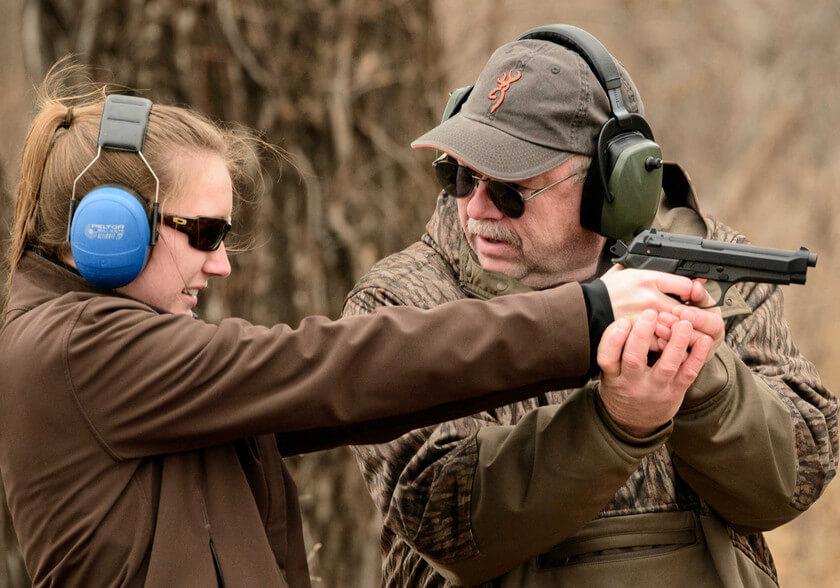
People should understand local laws, conflict avoidance, communication skills, and defensive tactics before carrying any weapon. In addition, scenario-based training can help people recognize danger earlier and make safer choices.
I also encourage regular legal education because self-defense laws vary by state. Resources from US Law Shield Legal Education can help people stay informed about changing laws and legal standards.
For more personal protection discussions and preparedness topics, readers can also visit PSNC.info.
Final Thoughts
Violence creates lifelong consequences. Therefore, I believe responsible citizens must understand the principles behind lawful self-defense before facing danger in real life.
Ability, opportunity, intent, immediate jeopardy, and preclusion all work together. Each principle helps explain whether force was truly necessary.
Most importantly, I remind myself that avoiding violence whenever safely possible remains the best outcome.