
Why I Trust Complex Motor Skill Repetition in Self-Defense Training
When I train for self-defense, I focus on one principle above all others: complex motor skill repetition. I have learned that skill does not appear overnight. Instead, it develops through thousands of correct repetitions that build confidence, consistency, and automatic response under pressure.
Many physiologists believe mastering a complex movement can require between 2,500 and 5,000 correct repetitions. That number may sound overwhelming at first. However, I have found that steady, focused practice yields long-term results that matter when stress levels rise.
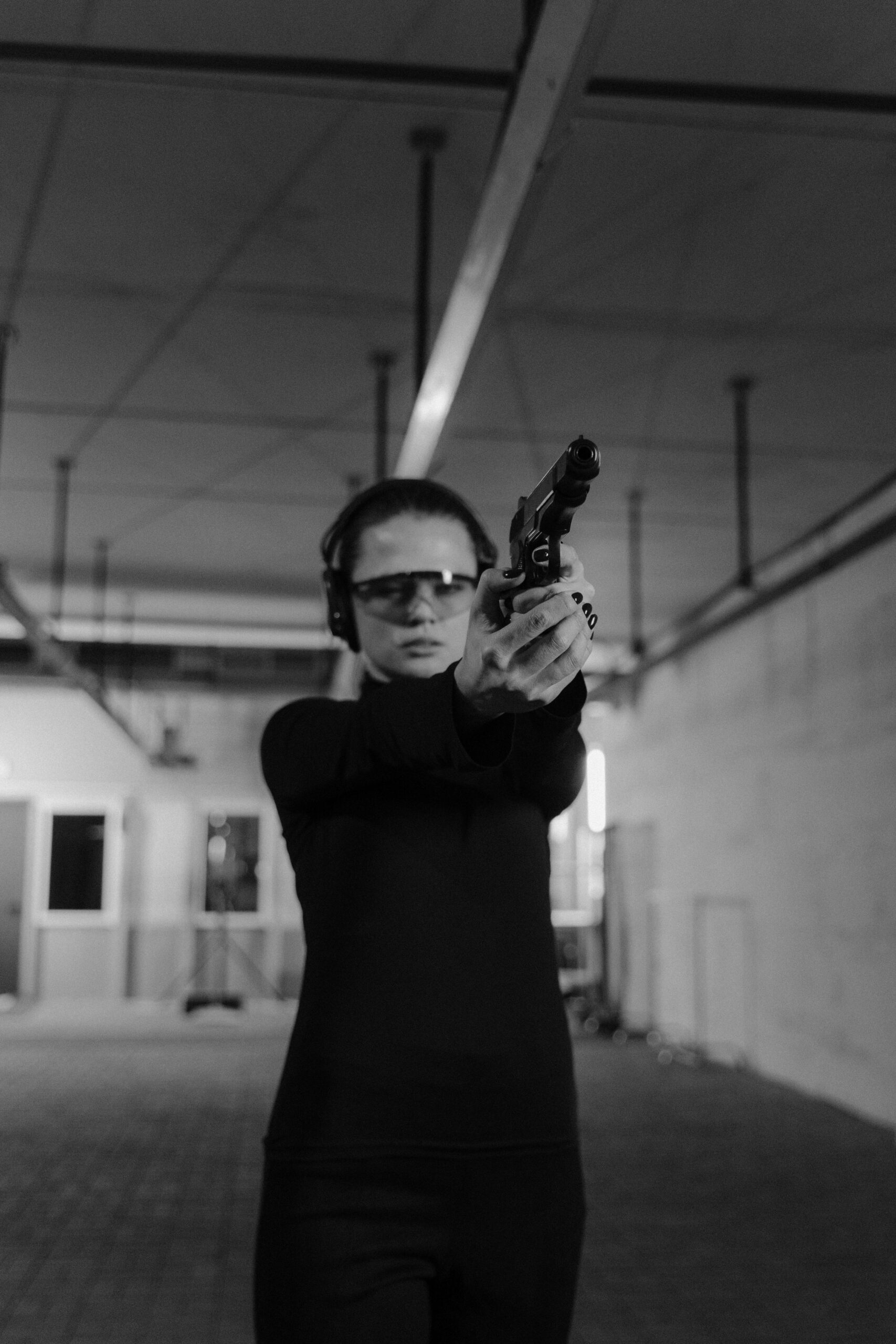
In self-defense shooting, hesitation can cost valuable time. Because of that, I train until my actions become smooth and instinctive, rather than forced and mechanical.
How Repetition Builds Muscle Memory
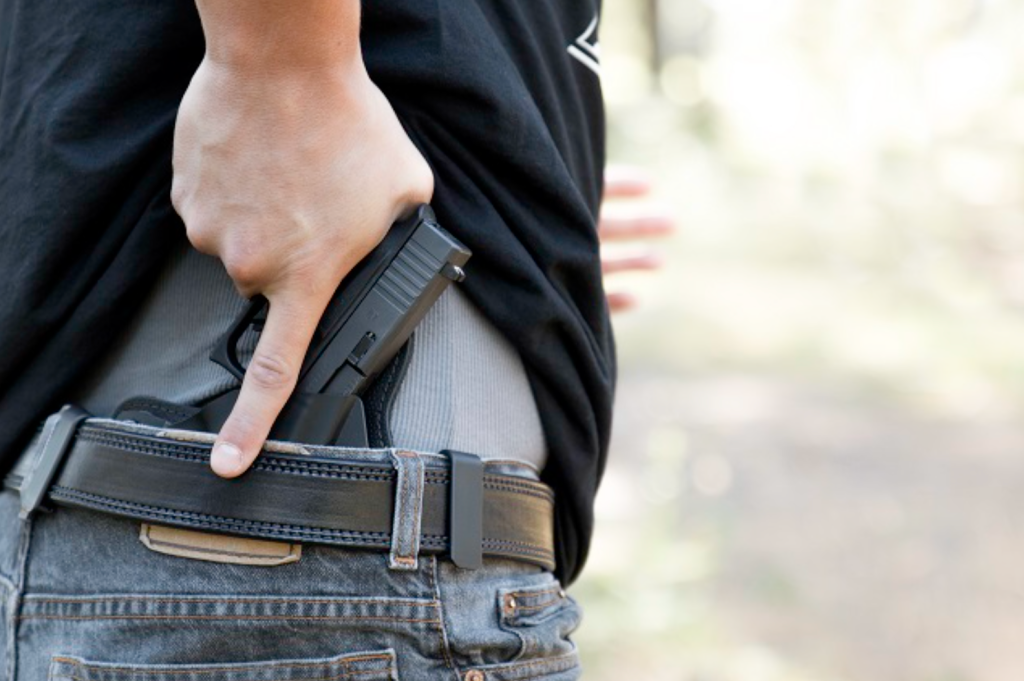
I noticed early in my training that repeated practice changed the way I handled my firearm. At first, every movement required conscious thought. Over time, my grip, sight alignment, trigger press, and stance started working together naturally.
Physiologists explain this process through neural pathway development and myelination. As I repeat a task correctly, my brain strengthens the communication pathways tied to that movement. Consequently, my body acts faster and with greater precision.
This matters during stressful situations because the brain often struggles to process complex decisions under pressure. Therefore, automatic responses become critical in defensive situations.
For additional legal and training considerations, I recommend reviewing US Law Shield’s resources. Their educational material covers self-defense law and responsible firearm ownership.
Why Correct Practice Matters More Than Volume
I do not believe random repetitions improve performance. Instead, I focus on quality repetitions that reinforce proper technique every time I train.
Poor practice creates bad habits. Unfortunately, bad habits become deeply ingrained when repeated often. Because of that, I pay close attention to trigger discipline, breathing, sight picture, and body positioning during every session.
I also slow down my practice when needed. Rushing through drills often causes mistakes. In contrast, controlled repetition builds consistency and confidence over time.
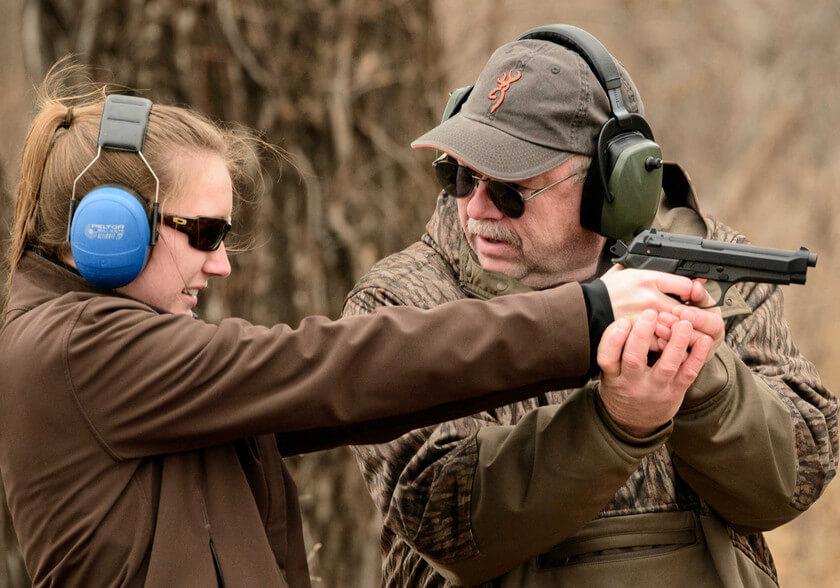
The instructors and trainers I respect emphasize deliberate practice instead of careless repetition. That advice completely changed how I approach range work today.
Complex Motor Skill Repetition Under Stress
Why Stress Changes Performance
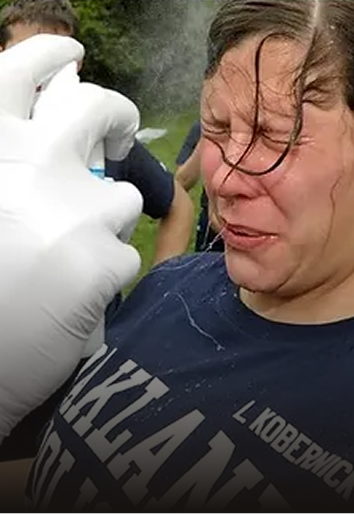
Stress affects fine motor skills and decision-making. I have experienced this during force-on-force training and timed drills. Heart rate increases quickly, and mental clarity can narrow under pressure.
Because of that reality, I train repeatedly so my body responds automatically when adrenaline spikes. This is one reason many experienced trainers encourage realistic practice scenarios.
According to the National Shooting Sports Foundation, consistent firearm training improves safe handling and responsible defensive preparation.
I also recommend reviewing training discussions and articles on the Personal Security News Center for additional insights into personal safety and preparedness strategies.
Building Long Term Defensive Skills
I treat self-defense training as an ongoing process rather than a short-term goal. Skills fade without reinforcement. Therefore, I schedule regular range sessions and dry fire practice to maintain proficiency.
Dry-fire training helps me improve my presentation, sight alignment, and trigger control without live ammunition. Meanwhile, live fire sessions confirm accuracy and reinforce recoil management.
Most importantly, I focus on consistency. Even short practice sessions produce meaningful improvements when repeated regularly.
I have learned that discipline creates confidence. Confidence then supports better decision-making during high-pressure situations.
Final Thoughts on Self-Defense Training
The value of repetition becomes obvious after enough training sessions. Eventually, movements feel natural instead of forced. That transformation does not happen by accident. It happens through focused and disciplined repetition.
For me, self-defense shooting requires more than just owning equipment. It requires preparation, responsibility, and continuous learning. Most importantly, it demands correct practice performed consistently over time.
As a result, I continue training with purpose because I understand that reliable performance comes from repetition done the right way.