Revolver Safety Rules Every Responsible Gun Owner Should Know
When I first started carrying and training with a revolver, I quickly learned that revolver safety rules are not optional. They form the foundation of responsible firearm ownership. In addition, they help prevent accidents that can change lives forever.
I treat every firearm with respect because one careless mistake can lead to tragedy. Therefore, I constantly remind myself that safety must come before speed, confidence, or experience.
According to Jeff Cooper, four core firearm safety rules should guide every gun owner. I follow these rules every time I handle a revolver, whether I am at the range, cleaning the firearm, or carrying it for self-defense.
For additional firearm safety guidance, I also review resources from the National Shooting Sports Foundation and the National Rifle Association.
Why I Take Revolver Safety Seriously
I never assume an accident cannot happen to me. Instead, I stay alert and disciplined whenever I touch a firearm.
A revolver may seem simple to operate. However, it still demands complete attention. Even experienced shooters can make dangerous mistakes when they become distracted or careless.
Because of that, I follow the same process every single time. Consistency builds safe habits.
Keep the Revolver Pointed in a Safe Direction
The first lesson I learned involves muzzle direction. I always keep the revolver pointed in a safe direction, even when I believe it is unloaded.
This habit protects everyone around me. Moreover, it gives me an extra layer of protection if a negligent discharge occurs.
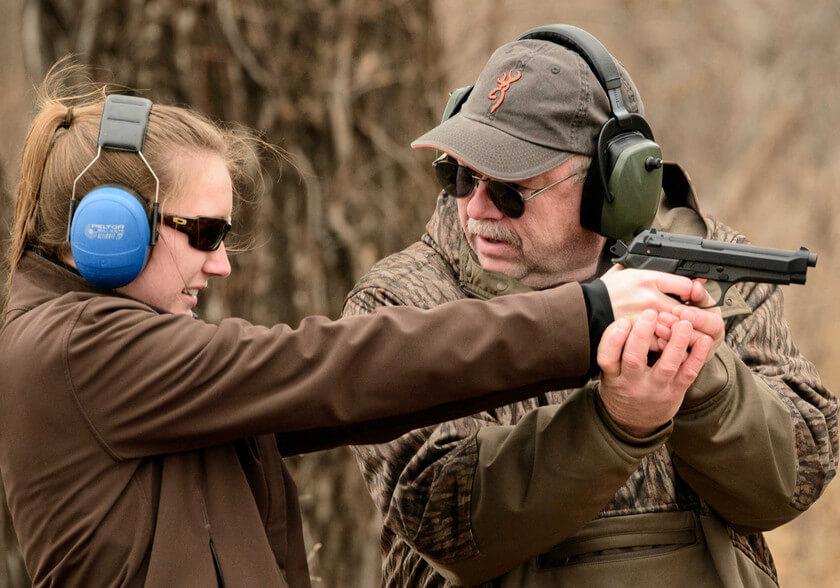
At the range, I keep the muzzle pointed downrange. At home, I make sure the firearm points away from family members and anything valuable.
The National Shooting Sports Foundation explains that safe muzzle control remains one of the most important firearm safety habits.
Keep My Finger Off the Trigger
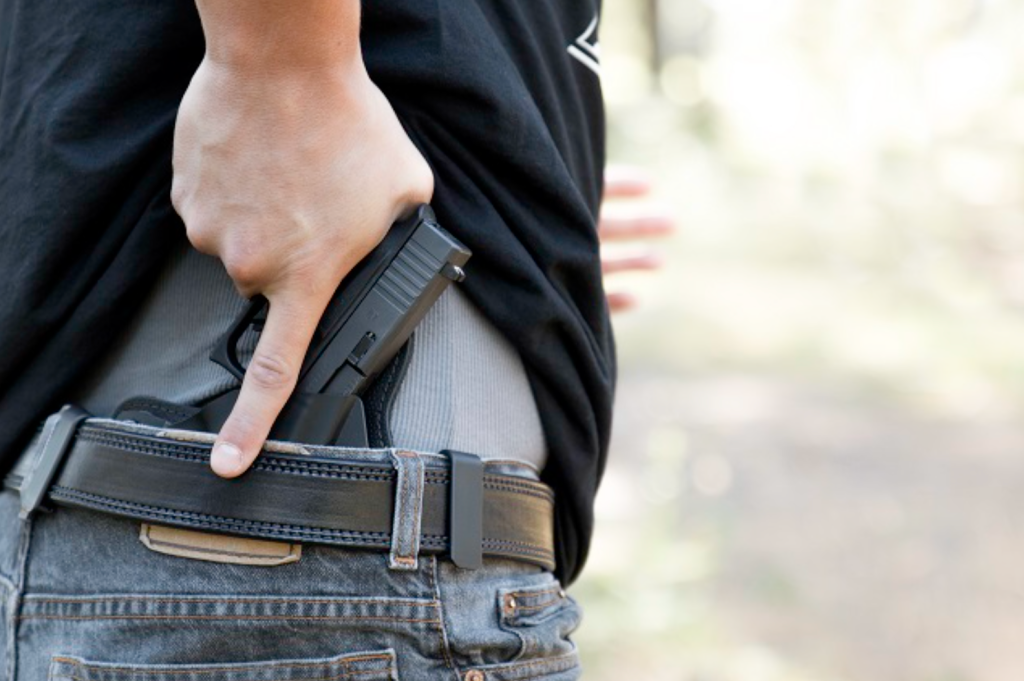
I also train myself to keep my finger outside the trigger guard until I am ready to fire.
This rule sounds simple. However, many accidental discharges happen because someone touched the trigger too early.
Therefore, I rest my trigger finger along the frame of the revolver during handling or movement. Once my sights reach the target and I decide to shoot, I place my finger on the trigger.
Always Check Whether the Revolver Is Loaded
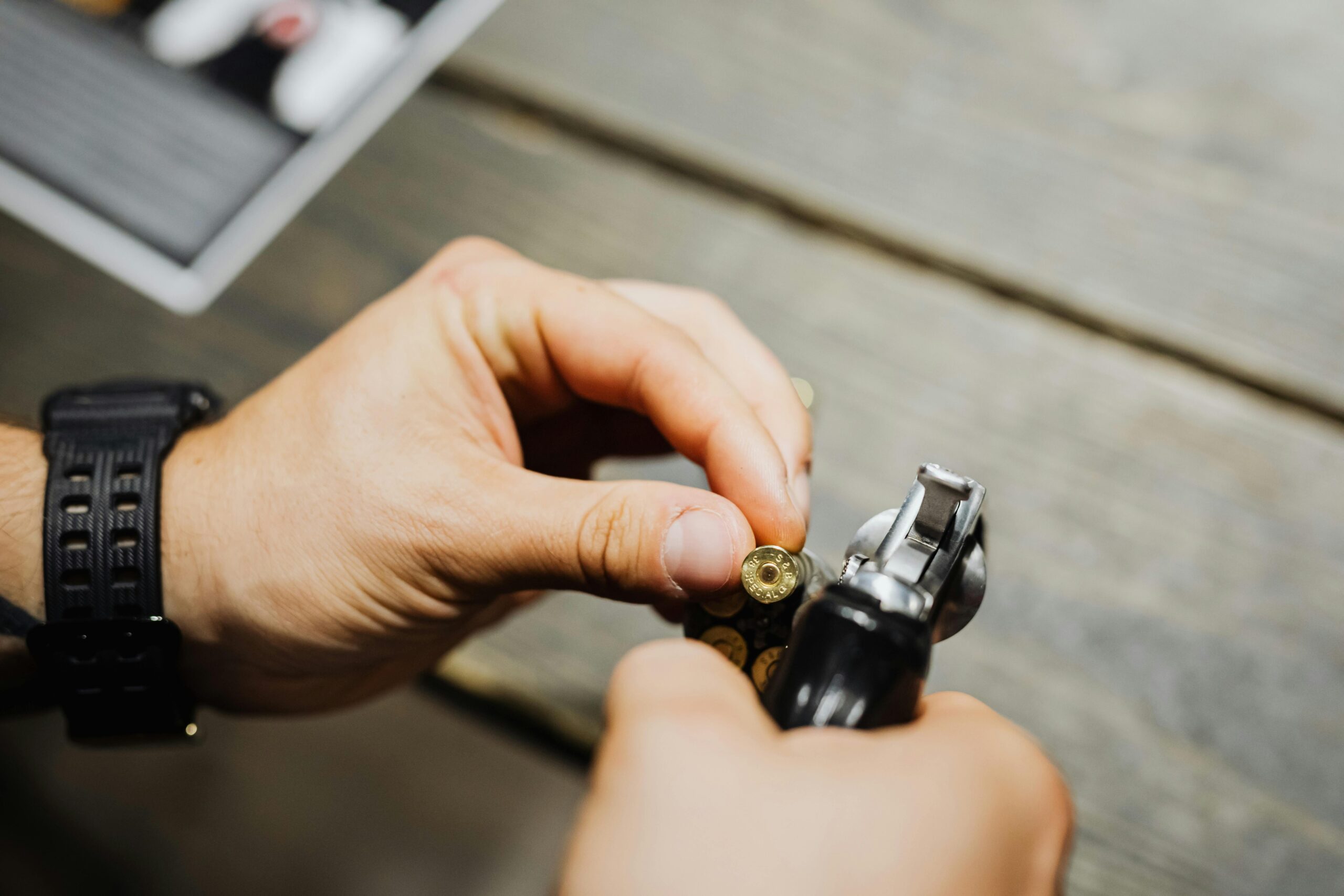
I never assume a revolver is unloaded. Instead, I physically inspect the cylinder every time I pick it up.
In addition, I check the firearm again before cleaning it or handing it to another person.
That extra step only takes seconds. Nevertheless, it can prevent a life-changing mistake.
If you are new to firearm ownership, the National Rifle Association offers beginner firearm safety courses that explain safe loading and unloading procedures.
Know the Target and What Is Beyond It
I always think beyond the immediate target. In a defensive situation, bullets may continue traveling after impact or after a missed shot.
Because of that, I pay close attention to my surroundings. I never fire unless I understand what stands behind my target.
This rule matters even more during self-defense situations in crowded places. An innocent bystander could suffer serious injuries if I fire carelessly.
Therefore, situational awareness plays a major role in responsible firearm ownership.
Eye Protection Matters With Revolvers
One issue many people overlook involves the cylinder gap on a revolver.
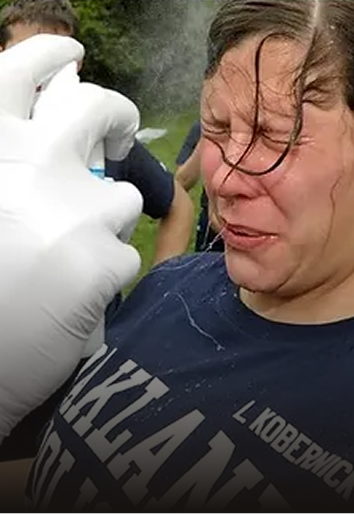
When I fire a revolver, hot gases and powder residue escape from the space between the cylinder and barrel. If debris strikes the eyes, serious injury can occur.
For that reason, I always wear protective shooting glasses during training sessions. Clear eye protection helps shield me from burning particles and debris.
The Occupational Safety and Health Administration also recommends proper eye protection when working around hazardous particles and impact risks.
Self-Defense Requires Responsibility
I understand that carrying a revolver for protection comes with legal and moral responsibilities.
Although self-defense laws vary by state, I know I remain accountable for every round I fire. Therefore, I constantly evaluate my surroundings before taking action.
In addition, I avoid reckless behavior that could endanger innocent people. Responsible gun owners should train regularly and understand local laws before carrying a firearm for protection.
If you want additional personal safety information, you can also read related articles on covering awareness, home security, and defensive preparedness.
Final Thoughts on Revolver Safety Rules
I believe responsible firearm ownership begins with discipline and preparation. Following these revolver safety rules helps me protect myself and the people around me.
In addition, proper training, eye protection, and situational awareness improve overall safety. I never treat these habits as optional because every firearm deserves respect.
By staying alert and practicing safe handling techniques, I can enjoy shooting sports and self-defense training while reducing unnecessary risks.