Double-action revolver training changed the Way I view self-defense
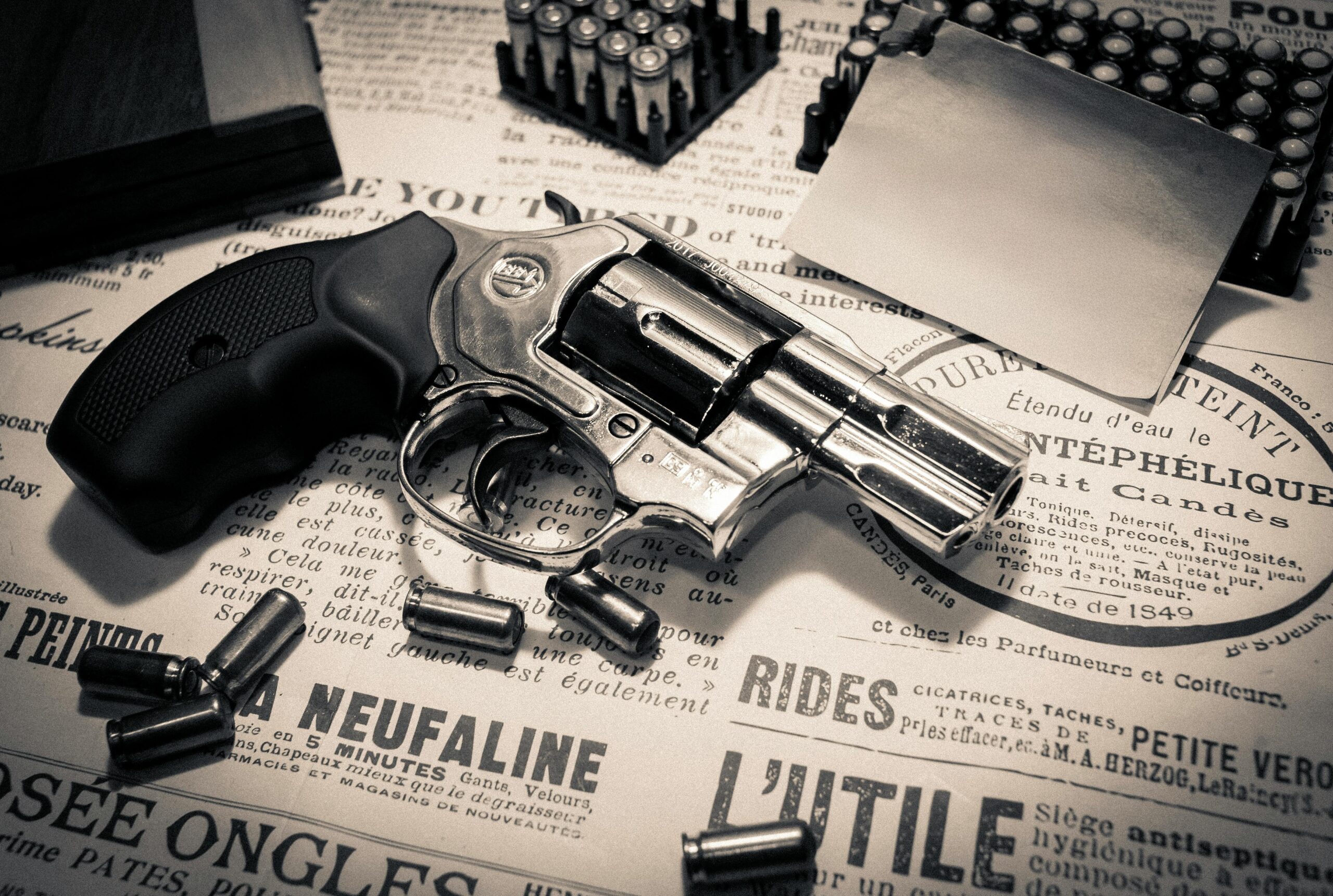
I learned early that a self-defense encounter moves fast. In most cases, there is no warning, no preparation time, and no second chance to think through every movement. Because of that reality, I train with my revolver in double action.
For years, I watched shooters cock the hammer and fire in single action during practice. While that method improves accuracy at longer distances, I realized it does not match the speed of a real deadly force encounter. In addition, I began asking myself an important question. If I had time to cock the hammer, was I truly facing an immediate, deadly threat?
That question changed how I approached firearms training. Now, I focus on smooth double-action trigger control because it reflects the reality of defensive shooting.
According to the National Shooting Sports Foundation, defensive firearm training should emphasize safe handling and realistic practice methods.
Why I Prefer Double Action During a Crisis
When danger appears suddenly, every second matters; a single-action revolver requires an extra movement before firing. First, I must cock the hammer. Then, I can press the trigger.
That additional step may seem small in the range. However, under stress, even simple movements become harder. Adrenaline affects coordination, judgment, and reaction time. Because of that, I want my defensive shooting habits to remain as simple as possible.
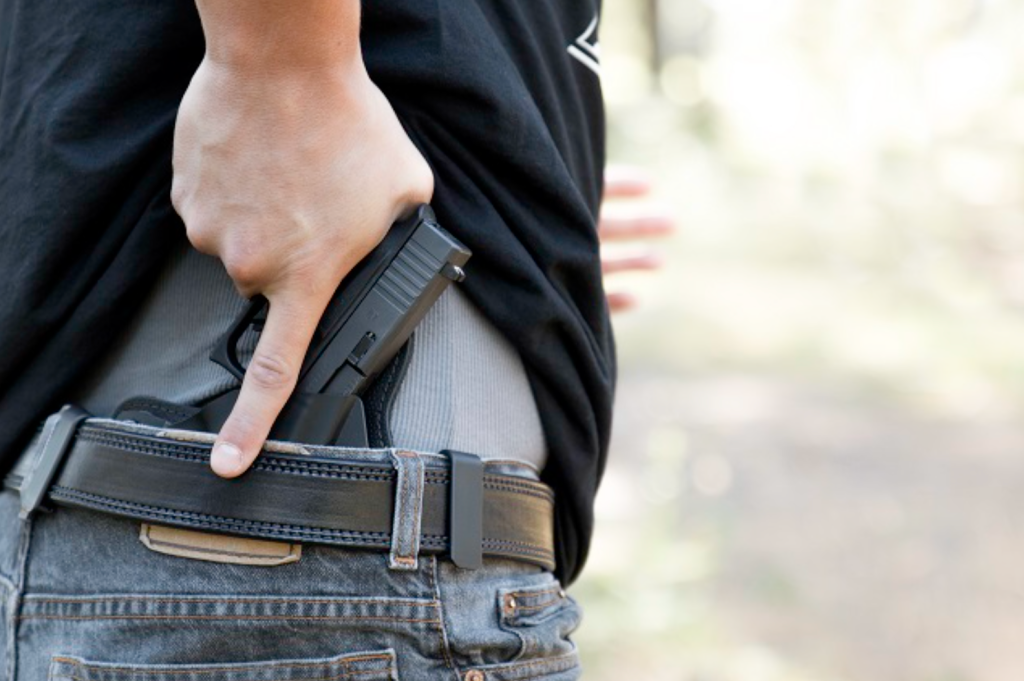
Therefore, I train the same Way I would respond during an emergency. I draw, establish my grip, and fire in double action without changing my hand position.
I also believe this method creates consistency. Training habits often appear during real encounters. If I constantly practice single-action shooting, I may hesitate or attempt to cock the hammer during a violent confrontation. That delay could become dangerous.
The USCCA discusses how stress affects fine motor skills during defensive incidents, which supports realistic training methods focused on simplicity and repetition.
Understanding the Legal Side of Deadly Force
Deadly force carries enormous responsibility. I never view it casually. Instead, I understand that deadly force only applies when an immediate threat threatens serious bodily harm or death.
Because of that legal standard, I carefully evaluate every training decision. If I have enough time to cock the hammer slowly, I must honestly ask whether the threat was immediate enough to justify deadly force in the first place.
That thought process keeps me disciplined. It also reminds me that defensive firearm use involves more than marksmanship. Judgment matters as much.
In North Carolina, self-defense laws generally require a reasonable belief of imminent danger before deadly force becomes legally justified. The North Carolina General Assembly provides state statutes regarding the lawful use of force and self-defense protections.
Building Better Defensive Habits
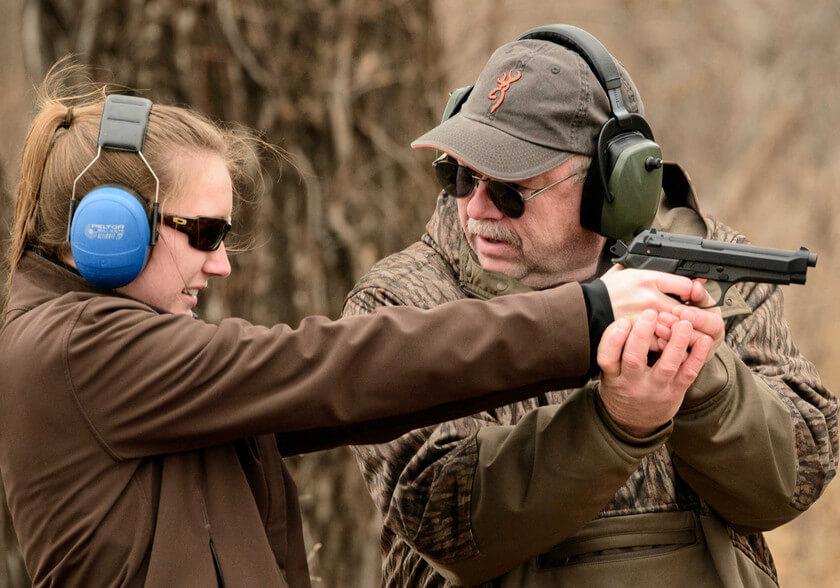
Today, my practice sessions focus on realistic defensive drills. I work on drawing safely, maintaining muzzle discipline, and pressing the trigger smoothly in double-action mode.
At first, double-action shooting felt harder. The trigger pull seemed heavier and less forgiving. However, regular practice improved my accuracy and confidence.
More importantly, the training became practical. I no longer separate “range habits” from “defensive habits.” Instead, I train for consistency under stress.
I also spend time reviewing firearm safety principles before every range session. Jeff Cooper’s safety rules still matter because careless gun handling creates unnecessary danger.
For additional firearm safety information, the National Rifle Association provides educational resources on responsible firearm ownership and safe handling practices.
Why Mindset Matters More Than Speed
Although speed matters during an attack, mindset matters even more. I never want training to create reckless behavior. Instead, I want my actions to remain lawful, controlled, and justified.
Therefore, I focus on awareness, avoidance, and de-escalation whenever possible. A firearm represents a last resort. However, if violence becomes unavoidable, I want my response to remain immediate and efficient.
That is why I continue practicing double-action shooting. It supports realistic defensive reactions while reinforcing the seriousness of deadly force decisions.
You can also read more self-defense and preparedness articles.