
Universal Revolver Reload Changed the Way I Train With a Revolver
When I first started carrying a revolver for personal defense, I quickly realized reload speed mattered. A revolver offers reliability and simplicity. However, reloading one under pressure can become difficult without consistent practice. That is why I began studying the Universal Revolver Reload technique.
Over time, I learned that this method focuses on gross motor skills instead of delicate finger movements. As a result, the reload process becomes smoother during stressful situations. In addition, the technique works well for defensive shooters, security professionals, and anyone who relies on a revolver for protection.
According to the National Shooting Sports Foundation, regular firearms training improves both safety and performance. Because of that, I made revolver reload drills part of my routine training schedule.
Why I Started Practicing Revolver Reloads
At first, I believed revolvers were simple enough that advanced reload training was unnecessary. After attending several defensive shooting classes, I changed my opinion. Instructors demonstrated how quickly ammunition can disappear during a high-stress encounter.
Consequently, I understood that fumbling with loose rounds could waste valuable seconds. I also noticed that stress reduced finger dexterity. Therefore, techniques based on larger hand movements made far more sense.
During my training, I discovered speed strips offered several advantages. They remained compact, easy to carry, and simple to organize. Most importantly, they allowed me to reload consistently without relying on complicated movements.
For additional defensive training concepts, readers can also visit the Personal Security News Center for related articles and preparedness information.
Universal Revolver Reload Technique and Gross Motor Skills
One reason I respect this reload system is its simplicity. Instead of trying to manipulate individual cartridges under pressure, I use a speed strip that keeps ammunition aligned and ready.
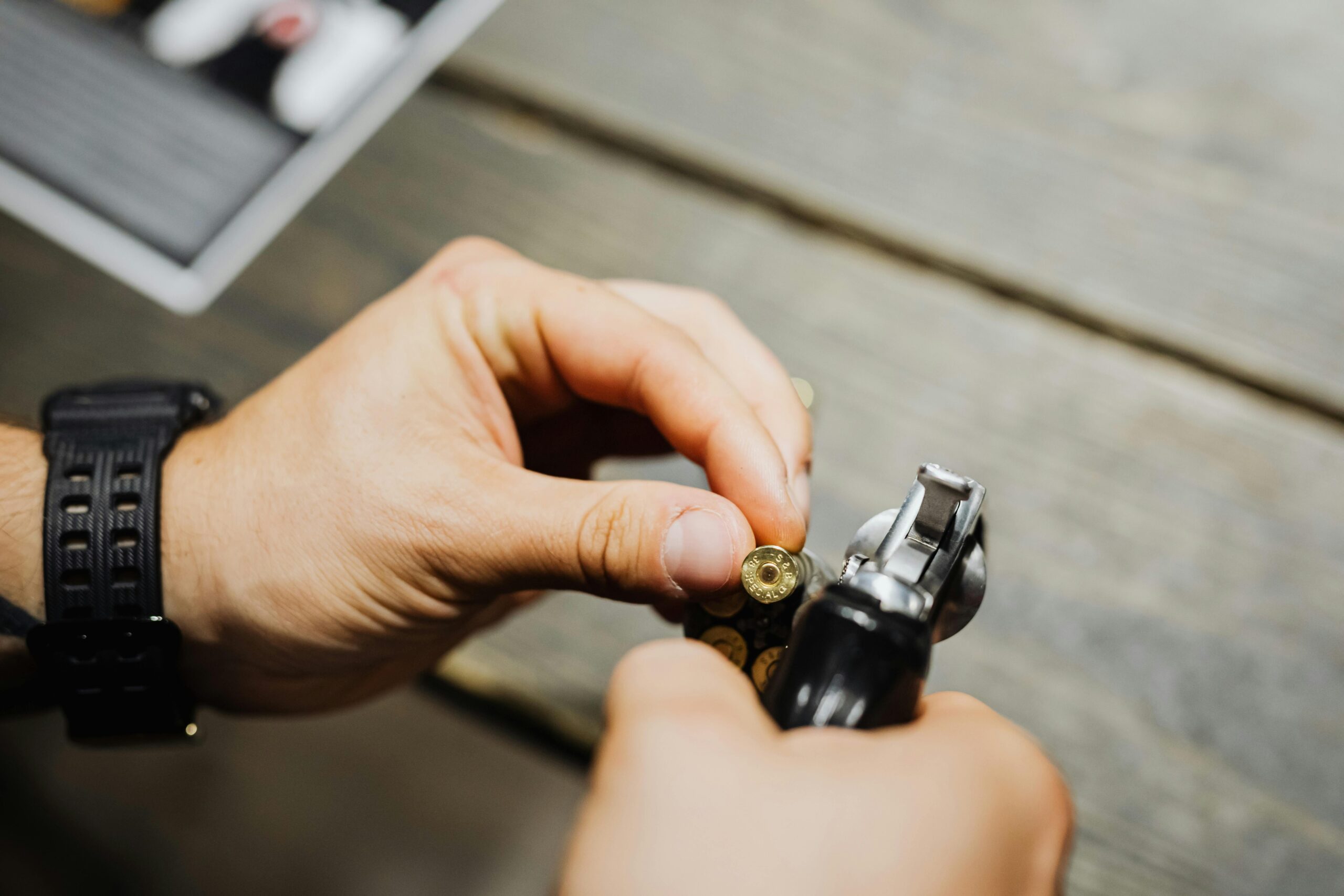
The process begins when I open the cylinder and eject spent casings with my support hand. Next, I position fresh rounds from the speed strip directly into the cylinder chambers. After loading the rounds, I close the cylinder and return the revolver to action.
Because the movements remain consistent, I can perform them more efficiently during stressful situations. Furthermore, the reload relies heavily on gross motor skills. Under pressure, those larger movements stay more dependable than precise finger actions.
The United States Concealed Carry Association also emphasizes the importance of stress-based firearms training and consistent reload practice for defensive shooters.
Benefits I Noticed During Training
After several weeks of practice, I noticed significant improvements. First, my reload times became faster. Second, my confidence increased during live fire drills.
I also discovered that consistency mattered more than speed alone. Smooth movements reduced mistakes and improved overall firearm handling. In addition, practicing with realistic defensive scenarios helped me remain focused while under pressure.
Another benefit involved equipment management. Speed strips fit easily into a pocket and stay flatter than traditional speed loaders. Therefore, they worked well for concealed carry applications.
Safety Always Comes First
Although the reload technique appears straightforward, safety remains critical. I never practice reload drills without following strict firearm safety procedures. Every training session starts with verifying the firearm condition and confirming a safe environment.
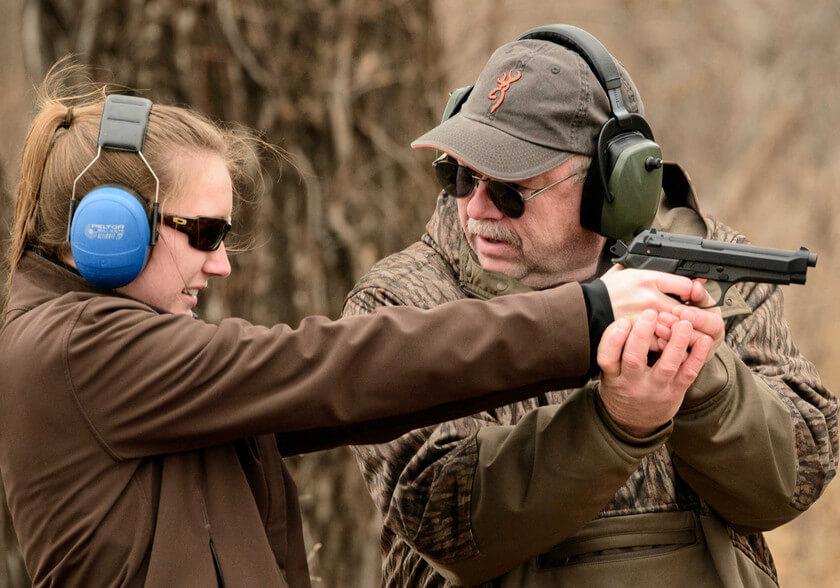
Moreover, I strongly recommend training with a qualified firearms instructor. Professional instruction helps correct bad habits before they become dangerous. It also ensures the reload process stays safe and efficient.
For firearm safety guidance, the NRA Gun Safety Rules provide important information every shooter should understand before practicing reload drills.
Why I Continue Using This Reload Method
Today, I still practice revolver reload drills regularly because defensive skills fade without repetition. The technique remains practical, reliable, and easy to maintain with ongoing training.
Most importantly, the method works well under stress. Since defensive encounters happen quickly, I want every movement to feel natural and controlled. Consistent repetition allows me to build that confidence over time.
The Universal Revolver Reload remains one of the most valuable revolver skills I have learned. With proper instruction and safe practice, the technique can improve both efficiency and defensive readiness for responsible revolver owners.