My Experience with a woman’s concealed carry holster
When I first started carrying, I realized quickly that a woman’s concealed carry holster is not a one-size-fits-all decision. My clothing, body shape, and daily movement all played a role. Because of that, I had to test different options before I found what truly worked.
At first, I focused only on concealment. However, I soon learned that comfort and access mattered just as much. If I couldn’t draw efficiently, the setup failed. Therefore, I shifted my approach and began evaluating holsters based on real-world use rather than appearance.
Seasonal Adjustments That Changed My Carry
Warm Weather Carry Choices
During warmer months, I prefer lightweight options. For example, I often use a belly band or ankle holster. These styles stay discreet under lighter clothing. In addition, they reduce printing when I wear fitted outfits.
Because summer clothing offers less coverage, I stay mindful of movement. As a result, I test each holster while walking, sitting, and bending. That way, I know it will stay secure throughout the day.
Cold Weather Carry Options
When temperatures drop, I gain more flexibility. Jackets and heavier layers allow me to carry larger setups. For instance, I sometimes switch to a waistband holster or even a shoulder holster.
However, I never assume bulk equals better. Instead, I check accessibility while wearing layers. If I cannot draw quickly, then I adjust placement immediately.
Fit and Comfort Always Come First
No matter the season, I always prioritize fit. A holster must stay in place without digging into my skin. Otherwise, I will not wear it consistently.
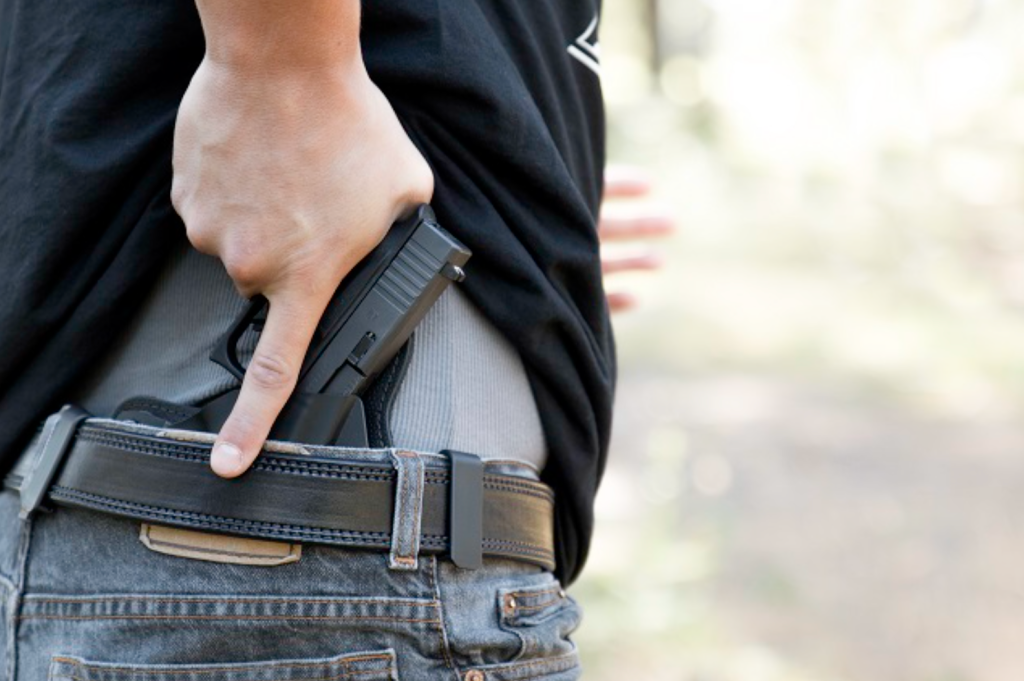
In addition, I look for designs that follow body contours. Many holsters now curve to match the natural shape. As a result, they reduce pressure points and improve concealment.
I also test retention. If the firearm shifts too much, I move on. Stability matters as much as comfort.
Why Versatility Matters in a Holster
Over time, I realized I needed flexibility. That is when I moved toward modular systems. A versatile setup lets me change positions based on my clothing.
For example, I might carry inside the waistband one day and cross-body the next. Because of that adaptability, I maintain consistency in my carry habits.
If you want to explore more everyday carry strategies, I recommend reviewing additional insights on PSNC for practical guidance.
My Final Approach to Choosing the Right Setup
In the end, I stopped searching for a perfect solution. Instead, I focused on what works for me in real situations. I tested different materials, positions, and styles until I found reliable options.
Most importantly, I chose comfort and accessibility over trends. A holster should support your lifestyle, not complicate it.
For further reading on safe firearm handling and carry considerations, I often reference the National Shooting Sports Foundation as a credible external source.
Final Thoughts on Carry Confidence
Confidence comes from preparation. I built mine through trial and error and consistent practice. Because of that, I trust my setup every day.
If you are starting your journey, take your time. Test everything. Pay attention to how your holster feels and performs. When it works, you will know.
And once you find that balance, carrying becomes second nature.