Why I trust a revolver for close-range self-defense
When I think about a revolver for close-range self-defense, I picture real moments that unfold fast and without warning. Crime does not wait for perfect conditions. Instead, it happens up close, often within arm’s reach. Because of that, I focus on what works when everything goes wrong.
Over time, I have come to appreciate the revolver for its simplicity and reliability. While many people debate pistols versus revolvers, my experience has shaped a clear preference in certain situations. In close quarters, I want something that works without hesitation.
Revolver for Close Range Self Defense: Performance Under Pressure
I have always trained for imperfect scenarios. Therefore, I do not assume I will have a perfect grip or stance. In fact, I expect the opposite. When space disappears, every movement becomes restricted.
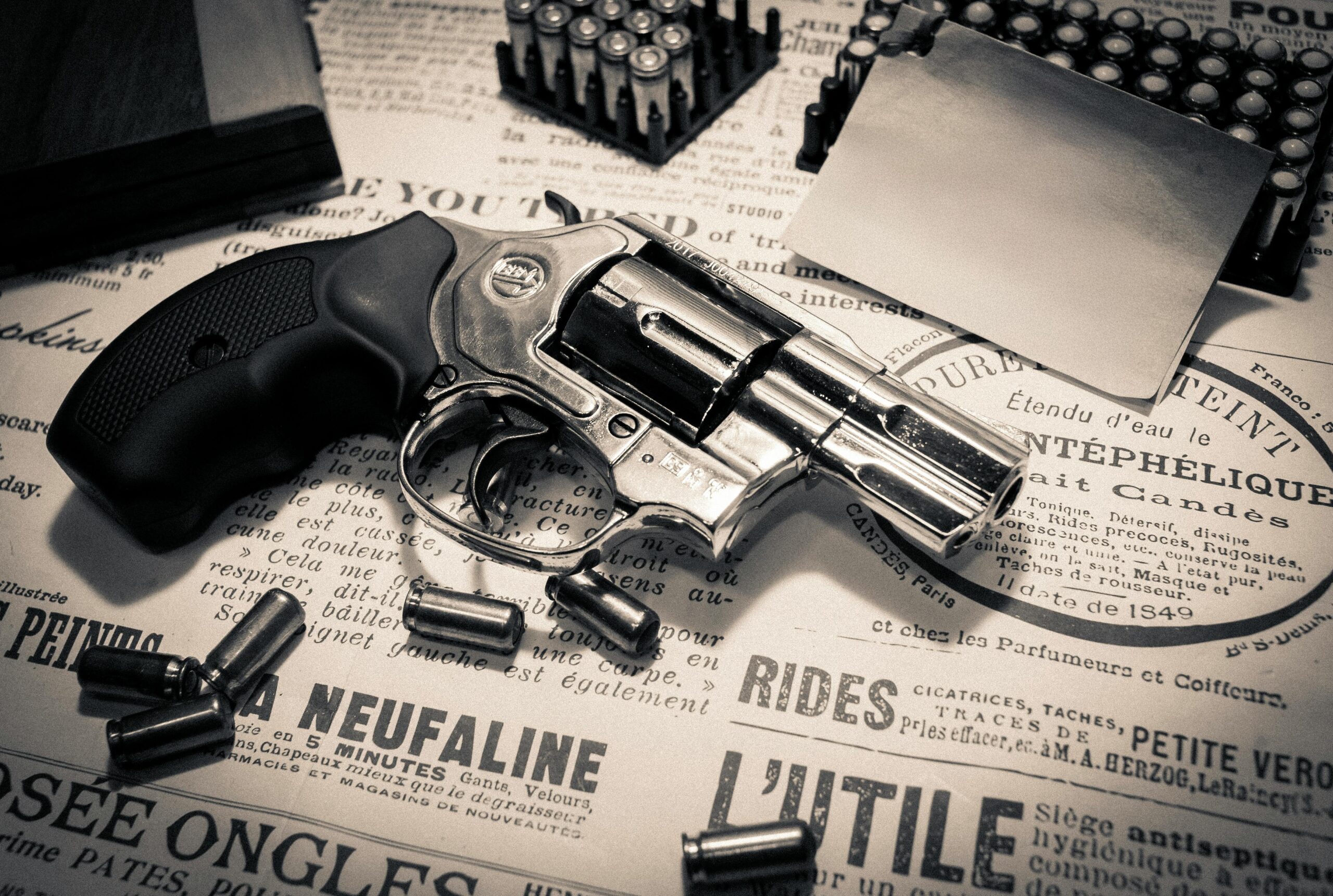
A revolver gives me confidence in those moments. For example, it can still fire when pressed against an object. That matters more than most people realize. Semi-automatic pistols depend on slide movement. However, that movement can fail if something blocks it.
Because of that difference, I see a revolver as a practical tool for contact distance defense. In addition, law enforcement training discussions often highlight scenarios involving weapon retention. You can explore more about close contact encounters through resources like the
https://www.fbi.gov/services/training/firearms-training-unit.
Simple Design Helps Me React Faster
When stress spikes, fine motor skills drop. I have seen this in training and real-world accounts. Therefore, I prefer systems that reduce decision-making.
A revolver does not rely on external safeties. Instead, I draw and press the trigger. That simplicity removes hesitation. While some view this as a drawback, I see it as an advantage in extreme situations.
At the same time, I stay disciplined. Safe handling always matters. However, when seconds count, fewer steps make a difference.
Control Matters More Than Perfection
I do not expect perfect accuracy at close range. Instead, I focus on control. The double-action trigger helps me manage that. It provides a consistent pull with every shot.
Because of this, I can maintain rhythm even under stress. In contrast, some pistols require more adjustment between shots. That difference becomes noticeable when adrenaline hits.
Additionally, many instructors emphasize trigger control as a key survival skill. The
https://www.usconcealedcarry.com/resources/
offers useful insights into defensive shooting fundamentals.
Reliability I Can Count On
I value reliability above all else. A revolver has fewer moving parts, which reduces failure points. It also does not depend on a magazine. Therefore, I eliminate common feeding issues.
From my perspective, that mechanical simplicity builds trust. I do not have to wonder if the next round will chamber. Instead, I focus on the situation at hand.
Real World Limitations I Keep in Mind
Even though I trust a revolver for close-range self-defense, I understand its limits. Capacity remains lower than most pistols. Reloading also takes more time.
Because of that, I train accordingly. I do not rely solely on equipment. Instead, I combine awareness, positioning, and decision-making.
Every tool has trade-offs. What matters is choosing what fits the situation you are most likely to face.
Final Thoughts: Why My Choice Stays Consistent
In the end, I base my decision on reality, not theory. Close-range encounters demand fast action and simple mechanics. For that reason, I continue to rely on a revolver in those specific conditions.
While other platforms offer advantages, I prioritize function under pressure. Therefore, my approach stays grounded in what works when everything else fails.