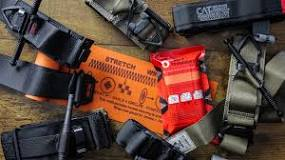
I Trust the North American Rescue Combat Application Tourniquet in Critical Emergencies
When I build a trauma kit, I focus on equipment that works under pressure. That is why I carry the North American Rescue Combat Application Tourniquet. I want gear that I can use quickly during a life-threatening emergency. More importantly, I need equipment that performs when seconds matter most.
I have researched many bleeding control products over the years. However, few products have earned the reputation that the C A T tourniquet has gained among military personnel, law enforcement officers, and civilian emergency responders. Its reliability gives me confidence during high-stress situations.
In addition, I appreciate how simple the design feels during training. I can apply it quickly with one hand if necessary. That feature alone can save a life when mobility becomes limited after an injury.
For additional emergency preparedness and self-defense legal education, I also recommend reviewing US Law Shield’s resources.
Why I Carry a Tourniquet Every Day
I never assume emergencies happen only in combat zones. Serious accidents can happen at home, while driving, or during a normal trip to the store. Because of that, I keep medical gear close by at all times.
The C A T tourniquet stands out because it remains lightweight and compact. I can easily store it inside a vehicle kit, backpack, or range bag. Therefore, I never feel burdened carrying it daily.
I also value the windlass system. Once tightened, it delivers strong circumferential pressure that helps stop severe bleeding quickly. That level of effectiveness matters during traumatic injuries where blood loss becomes deadly within minutes.
According to the Committee on Tactical Combat Casualty Care, rapid hemorrhage control remains one of the most important survival priorities during trauma care.
Training Matters Just as Much as Equipment
Owning emergency gear is only part of the equation. I believe proper training matters equally. Fortunately, the C A T design makes learning easier for beginners and experienced responders alike.
When I first practiced with the device, I noticed how intuitive the application process felt. I did not need complicated instructions or extensive medical experience. Instead, a short training session helped me understand proper placement and tightening procedures.
Because of that simplicity, I recommend regular practice for anyone who carries medical equipment. Repetition builds confidence. More importantly, confidence reduces hesitation during emergencies.
I also encourage readers to explore preparedness articles on PSNC.info for additional personal security and emergency response information.
The Reliability That Earned Worldwide Trust
Many emergency products claim to save lives. However, the C A T tourniquet has proven itself repeatedly in real world incidents. Military units, police officers, and civilian responders continue to trust it because it performs under difficult conditions.
I respect the fact that North American Rescue refined the design through actual field feedback. Those improvements helped create a dependable tool that responders can trust during chaotic situations.
In addition, the widespread adoption by emergency organizations reinforces its credibility. Many agencies issue the device as standard equipment because it consistently works when severe bleeding threatens survival.
For me, reliability matters more than marketing claims. I want emergency equipment with a proven history. The C A T tourniquet continues to meet that standard.
Final Thoughts on Emergency Preparedness
I believe every responsible person should understand basic trauma care. Emergencies develop without warning, and preparation can make the difference between life and death.
The C A T tourniquet remains one of the most trusted tools I can carry for hemorrhage control. Its compact design, simple application process, and proven effectiveness give me peace of mind during uncertain situations.
Most importantly, I never view emergency medical equipment as optional. I see it as part of responsible personal safety planning. Training, awareness, and dependable gear work together to improve survival outcomes when every second counts.