
A quiet night turned into a real test of preparedness, judgment, and lawful action. The phrase home invasion legal response became real for me at 2:03 AM. I never expected to apply it in my own house, yet that night forced me to rely on training, awareness, and the law to guide every move.
A Real Night in a Quiet Neighborhood
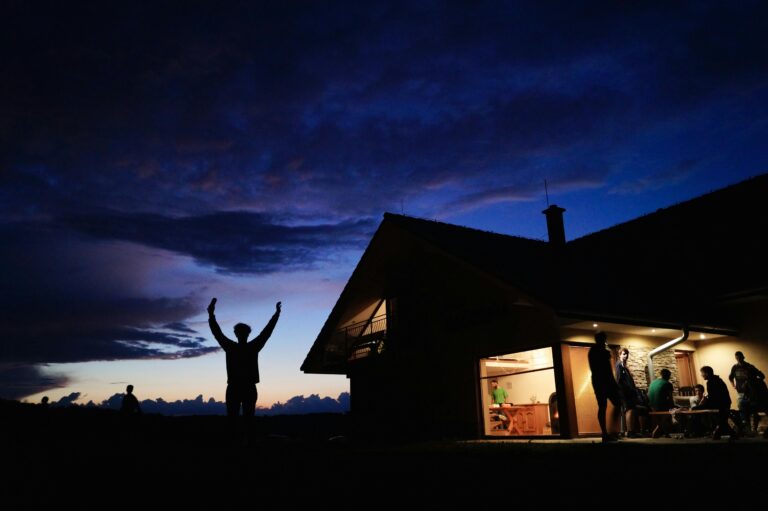
I am Daniel Harper, and I live in a quiet middle-class neighborhood just outside town. Most nights feel predictable. However, that changed when a sharp crack woke me from sleep.
At first, confusion set in. Then the sound came again, louder. Someone was forcing my front door open.
My Home Invasion Legal Response in Action
I grabbed my phone and dialed 911 immediately. That decision anchored everything that followed. By calling first, I established myself as the victim seeking help.
Next, I moved quickly but remained in control. I woke my wife and guided her into our bedroom, which we use as a safe room. The door locks solid, and I keep a flashlight and a charged phone ready.
While I stayed on the line, I spoke clearly toward the door. I told whoever stood outside that the police were on the way. That statement created distance and reinforced my defensive position.
Why Staying Defensive Matters
In North Carolina, the Castle Doctrine supports homeowners facing an unlawful and immediate threat. Still, that protection depends on behavior. I knew I could not escalate or pursue.
So I stayed put. I listened. I waited.
Within minutes, the noise stopped. The person ran off before deputies arrived. Because I followed a lawful response to a home invasion, my actions never came into question.
For legal clarity, I recommend reviewing guidance from the Federal Bureau of Investigation and resources like the Cornell Law School Legal Information Institute.
What Criminals Are Doing Differently
Later, I learned that some criminals now use signal jammers to disrupt wireless security systems. That explained why my cameras stayed silent.
As a result, I now rely on layered security. Strong doors, solid locks, and awareness matter just as much as technology.
Lessons I Took from That Night
First, calling 911 protects you legally and documents the threat.
Second, a safe room plan gives you control under pressure.
Third, using your voice can stop escalation.
Finally, staying defensive keeps the law on your side.
Takeaway
That night changed how I think about safety. I did not chase the threat. Instead, I stayed inside, called for help, and held my position. That choice made all the difference.
For more information: https://portal.cops.usdoj.gov/resourcecenter/RIC/Publications/cops-w0694-pub.pdf