
Staying Calm During Police Encounters
When I carry a firearm in public, I understand that I may eventually interact with law enforcement. Because of that, I mentally prepare myself well in advance of an encounter. I want every interaction to stay calm, respectful, and safe for everyone involved.
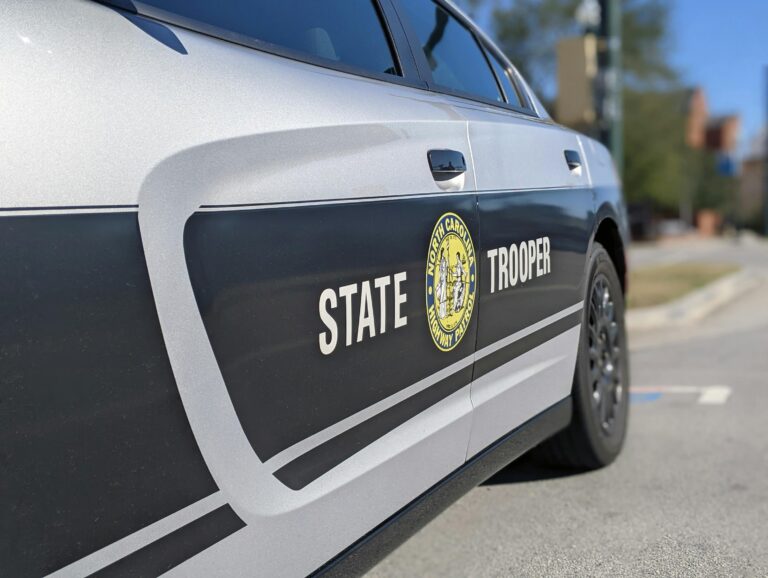
In North Carolina, police officers perform difficult jobs every day. Therefore, I believe my attitude matters during any encounter. I stay polite, keep my hands visible, and avoid sudden movements. That simple approach helps reduce tension immediately.
I also remember that officers do not know my intentions during the first few moments of contact. As a result, I avoid doing anything that could create confusion or fear.
Most importantly, I remind myself that calm behavior protects me just as much as it protects the officer.
Concealed Carry Police Encounters North Carolina and the Law
When I carry concealed in North Carolina, I know the law requires me to provide my concealed handgun permit if an officer asks for identification. I keep my permit and identification easy to access so I do not fumble through pockets during an encounter.
According to the North Carolina Department of Public Safety, concealed carry permit holders must follow specific legal requirements during official interactions with law enforcement.
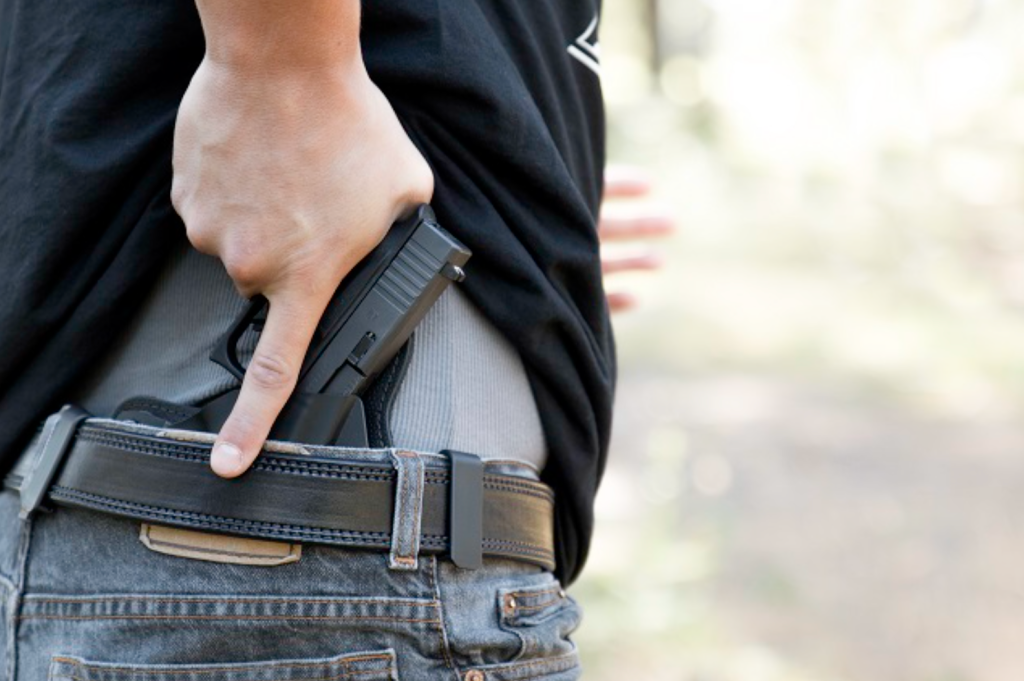
If an officer approaches me on a sidewalk, I avoid reaching toward my waistband or pockets. Instead, I calmly tell the officer where my identification is and wait for instructions. That small step helps everyone remain comfortable.
Although North Carolina does not always require immediate verbal notification in casual interactions, I still prefer to communicate clearly. I usually say something simple and direct.
“Officer, I want to let you know I have a concealed carry permit and I am currently armed.”
Then I stop talking and wait for instructions.
Why Communication Matters
I have learned that clear communication prevents misunderstandings. Officers appreciate honesty and calm behavior. In addition, respectful communication often keeps encounters shorter and less stressful.
If I carry while driving, I stay inside the vehicle unless instructed otherwise. I place my hands where the officer can see them. At night, I may even turn on the interior lights before the officer reaches my window.
During sidewalk encounters, I follow the same basic mindset. I stay still, keep my hands visible, and avoid interrupting the officer.
Sometimes people talk too much during stressful moments. However, I try to answer only what the officer asks. That approach keeps the situation focused and professional.
Understanding My Rights
Even though I cooperate fully, I still remember my constitutional rights. I know I have the right to remain silent and the right to speak with an attorney if necessary.
That balance matters.
I can remain respectful without giving unnecessary information. At the same time, I never argue on the sidewalk. If I disagree with something, I handle it later through legal channels.
The American Civil Liberties Union provides additional information about constitutional protections during police interactions.
I also recommend regularly reading updates on firearm law because laws change over time. Staying informed helps me make smart decisions while carrying legally.
The History Behind Police Cooperation
Respect for law enforcement traces back centuries. Early communities depended on organized authority to maintain order and protect citizens. Over time, modern policing evolved into a structured public safety system.
Today, officers carry significant responsibilities. They respond to dangerous calls, investigate crimes, and protect communities. Therefore, I understand why officers remain cautious during any firearm-related encounter.
That perspective helps me remain patient and cooperative.
At the same time, responsible concealed carriers also deserve respect. Most permit holders take firearm safety seriously and work hard to follow the law.
When both sides communicate calmly, encounters usually end smoothly.
Training Helps Me Stay Prepared
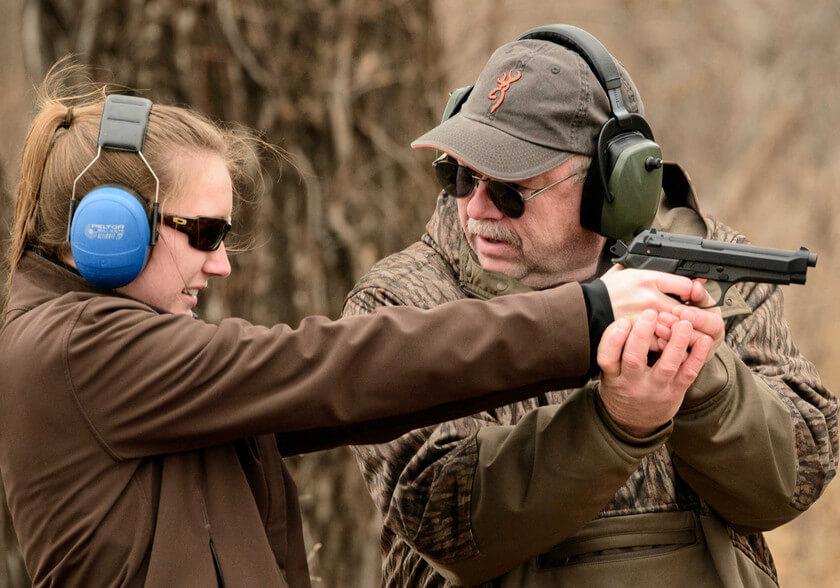
I believe preparation matters before carrying a firearm in public. Therefore, I regularly review North Carolina firearm laws and practice safe communication techniques.
I also spend time studying defensive scenarios and legal responsibilities. The more knowledge I gain, the more confident I become during stressful moments.
For additional self-defense articles and legal awareness content, visit Personal Security News Center.
I also encourage every concealed carrier to review state reciprocity laws before traveling. Firearm laws vary widely across the country, and ignorance creates unnecessary legal risks.
Final Thoughts
Every police interaction carries uncertainty. However, I have found that calm behavior, clear communication, and legal awareness make a major difference.
When I carry concealed in North Carolina, I focus on safety first. I keep my hands visible, follow instructions carefully, and communicate respectfully.
Those simple actions help protect everyone involved.
Suggested Resources
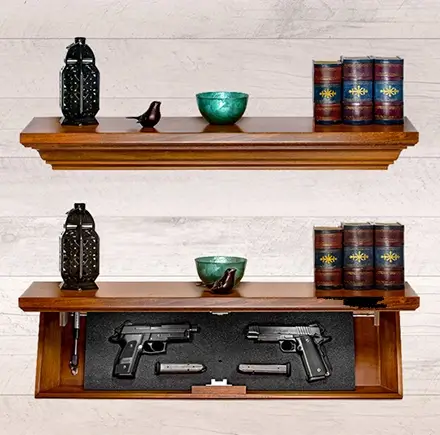
Tactical Trap: Keeping Your Family Safe and Weapons Ready
Tactical Trap Storage Solutions
FREE Legal Gun Updates for Your State
Use promo code PSTC
US Law Shield Legal Updates
FREE Reciprocity Map by State
Use promo code PSTC
US Law Shield Reciprocity Map
Try US Law Shield FREE for 30 Days
Download the app
US Law Shield Free Trial