The parallels between airline pilot training in flight simulators and the training of concealed carry licensees in making critical decisions under pressure explore the intricate and high-stakes decision-making processes in both fields. We ask how simulated environments prepare individuals for real-life scenarios demanding quick, informed, and responsible choices, highlighting the importance of comprehensive training for pilots and concealed carry licensees.
Airline pilots undergo extensive training in flight simulators designed to mimic real-life flying experiences as closely as possible. These simulators are sophisticated machines that provide pilots with an immersive environment where they can practice and master various flying skills without the risks associated with actual flying. The training involves multiple drills to prepare pilots to make good decisions under pressure.
One essential drill is emergency procedure training. Pilots are exposed to simulated emergencies such as engine failures, severe weather conditions, and system malfunctions. This training equips them with the skills to quickly assess situations, decide on the best course of action, and execute it effectively, thereby ensuring the safety of the aircraft and its passengers.
Another essential drill is navigation and instrument training. Pilots learn to navigate through challenging situations like low visibility or unfamiliar terrain. This drill enhances their ability to rely on instruments and make accurate decisions based on limited or complex information.
Lastly, communication drills are integral. Pilots practice communicating effectively with air traffic control and cabin crew during emergencies. Clear and concise communication is vital for coordinating actions and making informed decisions swiftly.
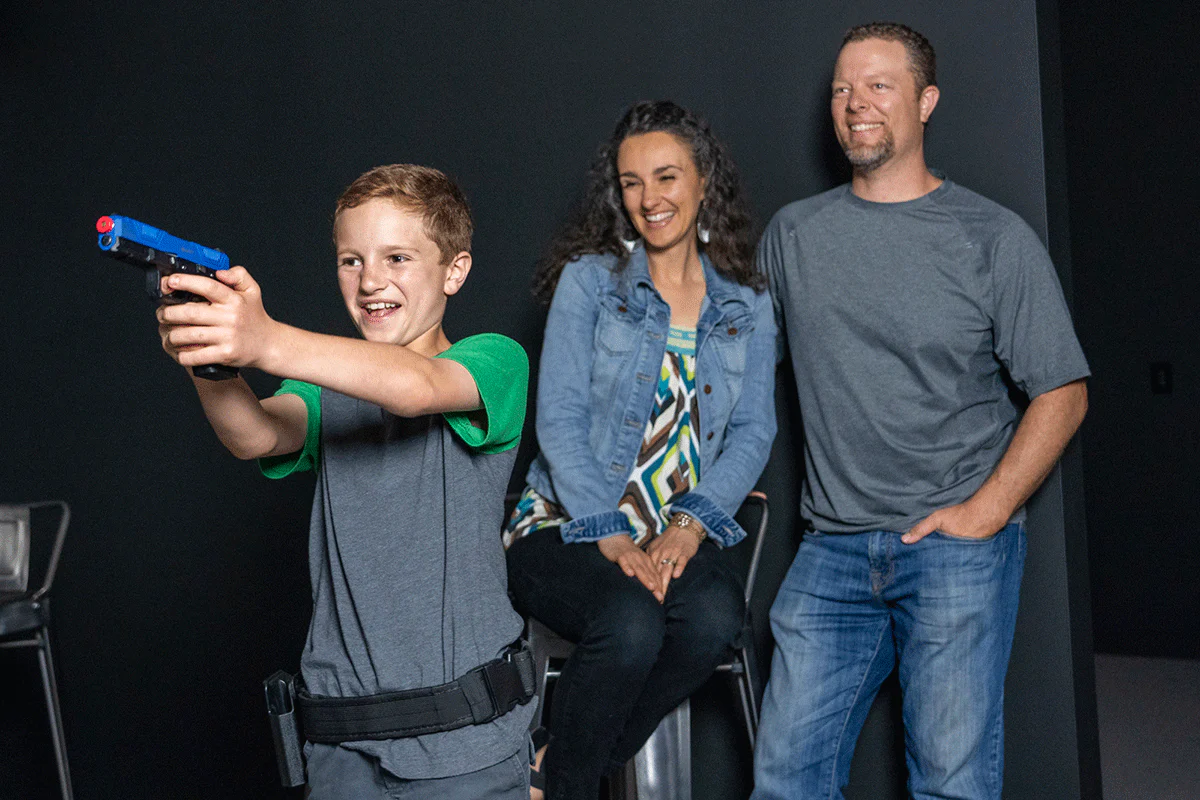
The decision-making process in flight simulator training for airline pilots is similar to the training of concealed carry licensees. Just as pilots must make split-second decisions under pressure, concealed carry licensees must also be trained to make critical decisions in potentially life-threatening situations.
Training for concealed carry licensees emphasizes identifying when life is directly threatened and responding appropriately. This involves understanding the legal and ethical implications of using a firearm in self-defense. Simulated scenarios can teach licensees to assess threats accurately and determine when the use of a firearm is a necessary and justifiable response.
Understanding the legal aspects of using a firearm is crucial. Concealed carry training includes learning the laws and regulations governing the use of deadly force. Like pilots who must adhere to aviation laws and protocols, concealed carry licensees must know when it is legally permissible to use their weapon, ensuring their actions are within the bounds of the law.
Training also focuses on understanding third-party liabilities. Similar to how pilots must consider the safety of passengers and crew, concealed carry licensees are trained to be aware of their surroundings and the potential impact of their actions on bystanders. This aspect of training is crucial in developing the ability to make decisions that minimize harm to innocent parties.
The training received by airline pilots in flight simulators and the training of concealed carry licensees share a fundamental focus on preparing individuals to make good decisions under pressure. Both require a deep understanding of procedures, laws, and ethical considerations and the ability to assess situations quickly and act responsibly. The simulated environments in both forms of training are invaluable in providing realistic scenarios where these critical skills can be developed and honed, ultimately contributing to the safety and well-being of society.