
Crabbing in Northeastern North Carolina: A Seasonal Guide to Bait, Technique, and Cooking Tips
Crabbing in northeastern North Carolina’s freshwater and brackish waterways is more than a pastime—it’s a cherished tradition that draws both locals and visitors alike. Few experiences compare to the thrill of pulling up a crab pot brimming with blue crabs, known for their sweet, tender meat. Whether new to the area or a seasoned crabber, success depends on knowing when to go crabbing, the best bait for blue crabs, and how to perfectly cook your catch.
When Is the Best Time for Crabbing in Northeastern North Carolina?
The prime crabbing season in northeastern North Carolina runs from late spring through early fall, with peak activity typically from June through August. Warmer water temperatures boost crab activity, making these months ideal for crabbing. Remember that environmental conditions, such as water salinity, temperature, and food availability, affect yearly crab populations. Planning your crabbing adventures during peak months increases your chances of a whole pot.
Best Bait for Blue Crabs
To attract crabs quickly, selecting the right bait is critical. The top choices include:
-
Menhaden
-
Mullet
-
Fresh fish heads or carcasses
-
Chicken necks (a traditional and budget-friendly option)
Fresh bait yields better results, but frozen bait can be a good alternative in a pinch. For ease and efficiency, commercial crab bait blends—available at most tackle shops—combine multiple scent attractants to lure crabs more effectively.
Where and How to Set Your Crab Pots
Crab location is everything. Target areas with structure, such as:
-
Docks and piers
-
Pilings
-
Marsh edges and grassy shallows
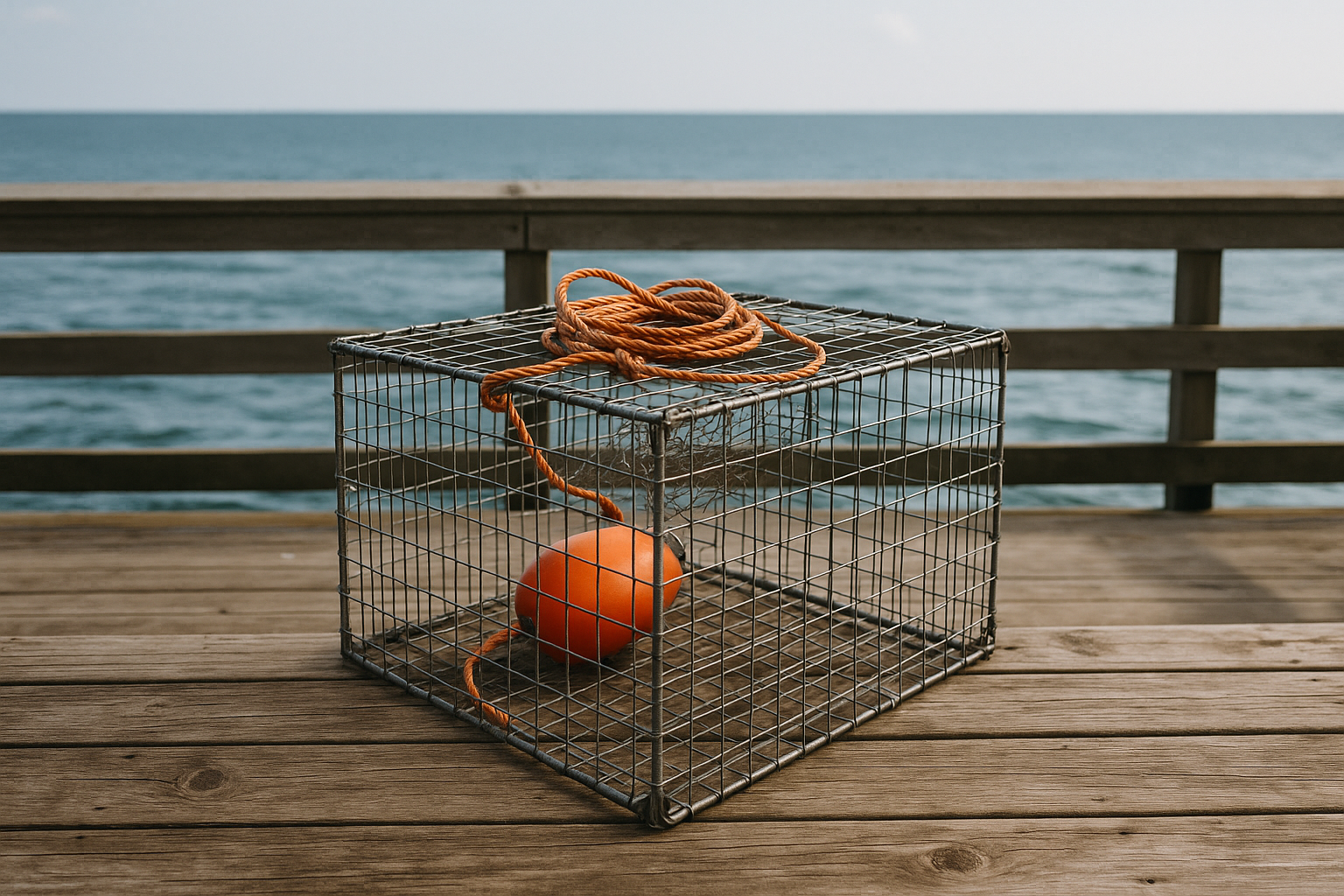
Set your crab pots in water between 3 and 12 feet deep, ensuring they sit flat on the bottom. Crabs are active around an hour before high or low tide, so timing your set during these tidal shifts can significantly increase your haul. Always mark your pots with bright, visible buoys to alert other boaters and comply with local safety guidelines.
How to Clean and Prepare Blue Crabs
After catching your crabs, the next step is preparing them for cooking:
-
Boil a large pot of water with salt or seasoning.
-
Add the crabs and cook for 8– 10 minutes, until they turn a vibrant orange-red.
-
Transfer them to an ice water bath to stop the cooking and preserve texture.
To clean the crab:
-
Remove the apron and the triangular flap on the underside.
-
Lift off the carapace, or top shell.
-
Discard the gills and internal organs.
-
Rinse thoroughly before extracting meat with a crab pick or small fork.
Delicious Ways to Cook Blue Crab
Fresh blue crab meat is versatile and packed with flavor. Some favorite crab recipes and cooking methods include:
-
Steaming crabs over a mix of beer and vinegar for extra flavor
-
Seasoning with Old Bay, garlic butter, lemon pepper, or Cajun spices
-
Making classic crab cakes
-
Crafting a rich crab bisque or chowder
-
Tossing together a cold crab salad with citrus and herbs
-
Dipping meat in melted butter or cocktail sauce
Whether hot or cold, blue crab dishes are a staple of Carolina coastal cuisine.
Why Crabbing in Northeastern North Carolina Is Worth the Trip
Crabbing here isn’t just about catching dinner—it’s about connecting with nature and embracing a coastal lifestyle. From the moment you feel that first tug on the line to the last bite of buttery crab meat, it’s an adventure filled with joy, anticipation, and many memories.
So grab your gear, pick the right spot, and experience the best crabbing in North Carolina. Happy crabbing!