
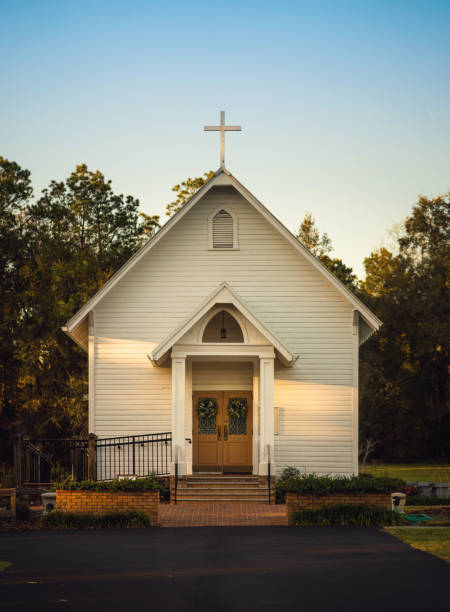
Organizing, training, and running an armed congregant security team for a house of worship is a complex and sensitive task that requires careful planning, adherence to legal standards, and a focus on safety and respect for the community. The primary objective of such a team is to protect the congregants and the sacred space they gather in response to increasing concerns about safety in places of worship. This article will outline the key steps and considerations in establishing and maintaining an effective security team within a religious community.
The first step in creating an armed congregant security team is to define the scope and purpose of the team within the context of the needs and values of the house of worship. Leadership should consult with law enforcement, security professionals, and legal advisors to understand their jurisdiction’s best practices and legal requirements for armed security. It’s essential to ensure that the initiative has broad support from the congregation and is communicated transparently, emphasizing the goal of providing safety for all members.
Recruiting team members should be approached cautiously, prioritizing individuals with a background in law enforcement, military, or security work and those who demonstrate a high level of responsibility, discretion, and commitment to the community’s values. All potential team members should undergo thorough background checks, psychological evaluations, and interviews to assess their suitability for the role.
Training is a critical component of preparing an armed congregant security team. This training should cover various topics, including firearms safety and proficiency, de-escalation techniques, emergency response procedures, first aid, and legal aspects of using force. It’s crucial that the training is conducted by certified professionals and includes both classroom instruction and practical, scenario-based drills. Regular refresher courses and drills should be scheduled to ensure the team’s skills and knowledge remain sharp and current.
The training should also emphasize the importance of discretion and sensitivity in the context of the house of worship. Armed security should not disrupt the sanctity and peace of the religious environment but rather enhance the congregants’ sense of safety and well-being.
Effective management of an armed congregant security team involves ongoing oversight, coordination with local law enforcement, and communication with the congregation. The security team should have clear protocols for handling various types of incidents, with a strong emphasis on minimizing risk and avoiding harm. Leadership should ensure that the team operates within the bounds of the law and the ethical principles of the faith community.
It’s also essential to maintain transparency with the congregation about the security measures being implemented while respecting the need for confidentiality regarding specific security plan details. Feedback from congregants should be welcomed, as their input can provide valuable insights into the community’s concerns and the security team’s impact on the worship experience.
Organizing, training, and running an armed congregant security team in a house of worship is a significant undertaking that must be approached with careful thought, professionalism, and a deep commitment to the safety and well-being of the religious community. By following best practices and focusing on the congregation’s spiritual values, it’s possible to create a security team that effectively protects the faithful in a manner consistent with the principles of peace and sanctuary that houses of worship aim to embody.