

Repetition is the key to successful self-defense shooting
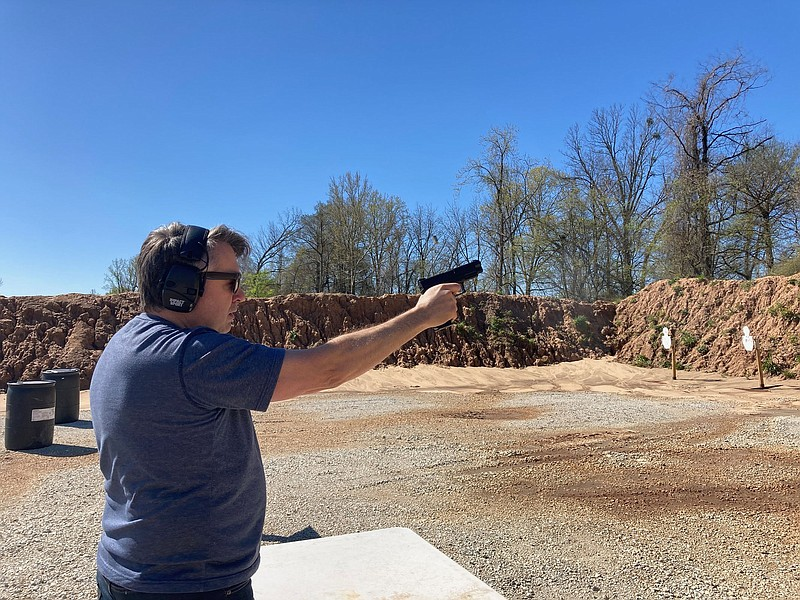
Mastering a complex motor skill through extensive repetition, a range espoused by many physiologists as 2,500 to 5,000 correct repetitions, is a fundamental principle in learning and automating physical tasks. This approach is grounded in the understanding that repetitive practice leads to the development of muscle memory, allowing the body to perform complex actions almost […]
Machiavelli on private ownership of weapons

Niccolò Machiavelli, a seminal figure in political theory, offered profound insights on the role of private arms among commoners in his seminal work, “The Prince.” His views reflect a nuanced understanding of power dynamics and the importance of military strength in maintaining a state’s sovereignty and internal stability. Machiavelli argued that a prince should encourage […]
Jeff Cooper’s The Principles of Personal Defense (Part 2)
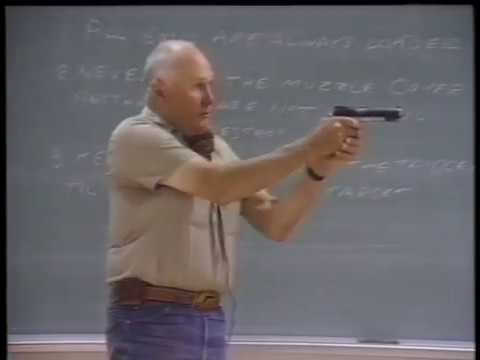
Jeff Cooper, a renowned figure in modern firearms training, devised a set of principles that have become a cornerstone in self-defense. These principles, focusing on speed, coolness, ruthlessness, and surprise, form a framework that guides individuals in effectively handling life-threatening situations. This article explores these principles, emphasizing the critical role of practice and repetition in […]
Edward I, Statute of Winchester (1285) and Personal Weaponry

Edward I of England, known for his military campaigns and administrative reforms, significantly influenced the development of military tactics in medieval England, mainly through his policies on longbow training for commoners. Recognizing the longbow’s effectiveness, Edward I sought to strengthen his army’s capabilities by mandating widespread training in archery. In a strategic move to bolster […]
Jeff Cooper’s Principles of Personal Defense (Part 1)
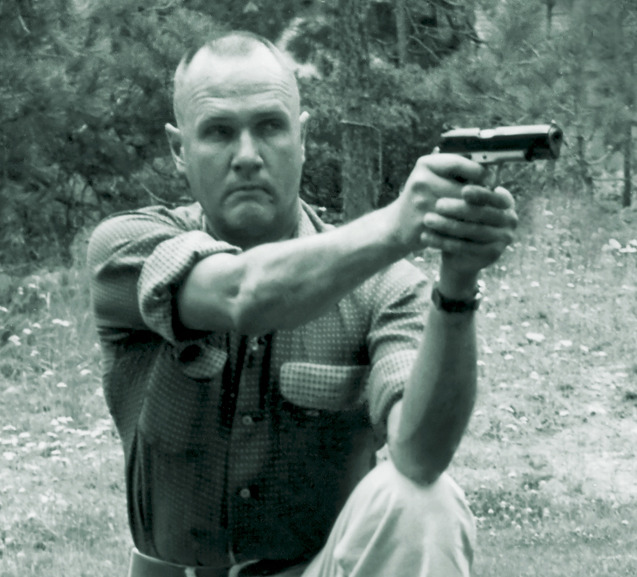
Jeff Cooper, a renowned firearms instructor and the founder of the modern technique of handgun shooting, articulated several vital principles of personal defense that have become widely recognized in personal security and firearms training. Three of these principles stand out as foundational: Alertness, Decisiveness, and Aggressiveness. These principles are crucial in ensuring personal safety and […]
Understanding the Assize of Arms: From Henry II to Henry III

The Emergence of the Assize of Arms under Henry II In 1181, King Henry II of England enacted the Assize of Arms, a groundbreaking law that marked a shift in medieval military strategies and societal structures. This law required all free men of England to possess and maintain arms according to their wealth and status. […]
Ability-Opportunity-Jeopardy-Preclusion

When discussing self-defense, particularly in legal and tactical contexts, it’s crucial to understand several key concepts: ability, opportunity/Intent, immediate Jeopardy, and preclusion. Each of these terms significantly determines whether a person’s actions are justifiable as self-defense. Ability refers to the aggressor’s physical or logistical capability to inflict harm. This can include physical strength, weapon possession, […]
North Carolina Perspective on Using Deadly Force to defend Private Property

The use of deadly force in defense of private property is a subject of ongoing legal and ethical debate in the United States. In North Carolina, the law is quite clear on this matter, reflecting a general principle that values human life over property. The North Carolina Perspective In North Carolina, the use of deadly […]
The Roman view on self-defense and private ownership of weapons

The Romans, renowned for their military prowess and discipline, epitomized a nation at arms. From an early age, Roman citizens were imbued with a sense of duty towards military service, and this ethos was deeply embedded in their society and legal structures. In ancient Rome, military service was a duty and a rite of passage […]
Use of Force, the Stairway Concept
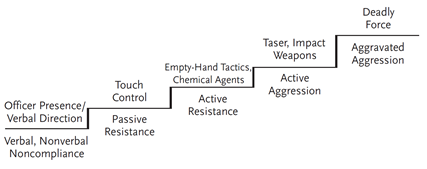
The concept of “appropriate use of force” is a guideline for responding to an attack or threat with a proportional and defensive force level. This concept is often visualized as a stairway, where different steps represent escalating levels of force, starting from minimal at the bottom to deadly at the top. The fundamental principles include: […]