
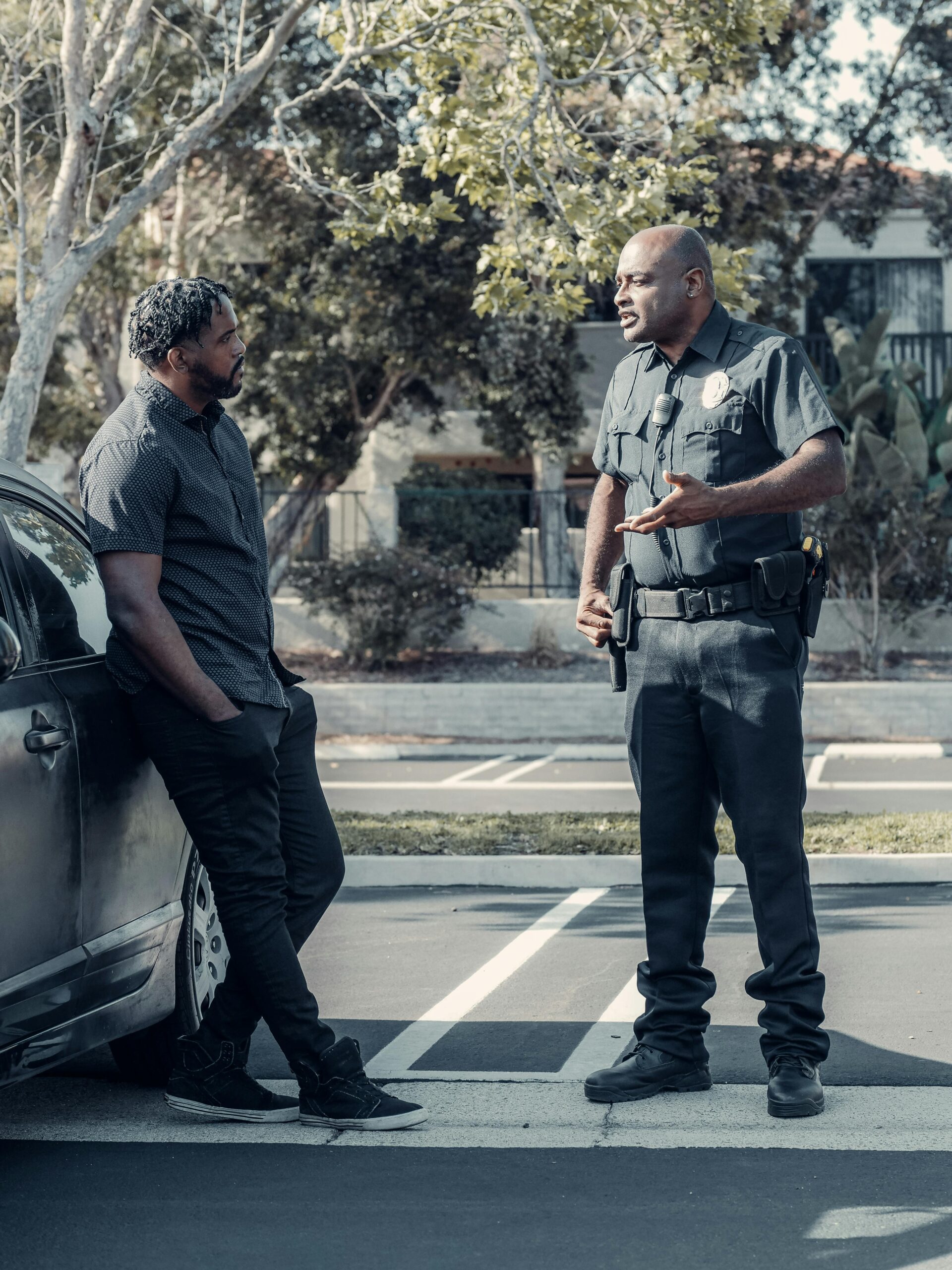
How I learned that 911 decision-making can prevent escalation instead of causing it
Why 911 Decision Making Matters
My name is Daniel Carter, and I work as a private security consultant. Over the years, I have learned that 911 decision-making is not always as simple as people believe.
One humid July night, I sat outside a small auto shop off Highway 17 with a mechanic friend. While we talked, a patrol car rolled slowly through the lot. That moment sparked a conversation that changed how I approach emergencies forever.
When the Situation Is Not What It Looks Like
I remember watching two men argue across the lot. Their voices rose, and their arms moved fast. At first glance, it looked like a fight about to explode.
However, it turned out to be a family dispute over money.
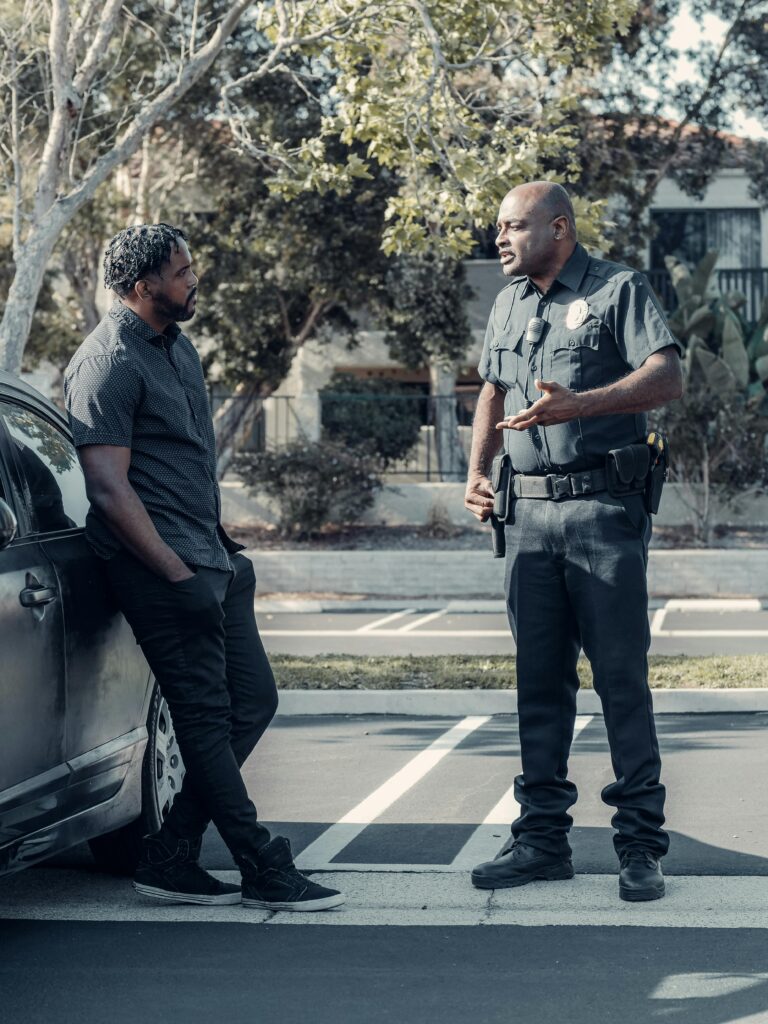
Someone nearby had already called 911. When officers arrived, they saw tension, not context. Commands came quickly, and one man panicked.
As a result, a loud argument turned into a high-stress encounter.
That night taught me something simple. Not every loud situation equals danger.
When You Become Part of the Scene
Another time, I saw a delivery driver stop and call for help during a heated exchange. He meant well.
Yet when officers arrived, they treated everyone as if they were involved.
The driver stood there for nearly twenty minutes explaining himself.
From my perspective, that situation highlighted a key reality. Once police arrive, they sort out the details later.
When Authority Raises the Temperature
I also witnessed a couple arguing in a parked car. The situation looked tense but controlled.
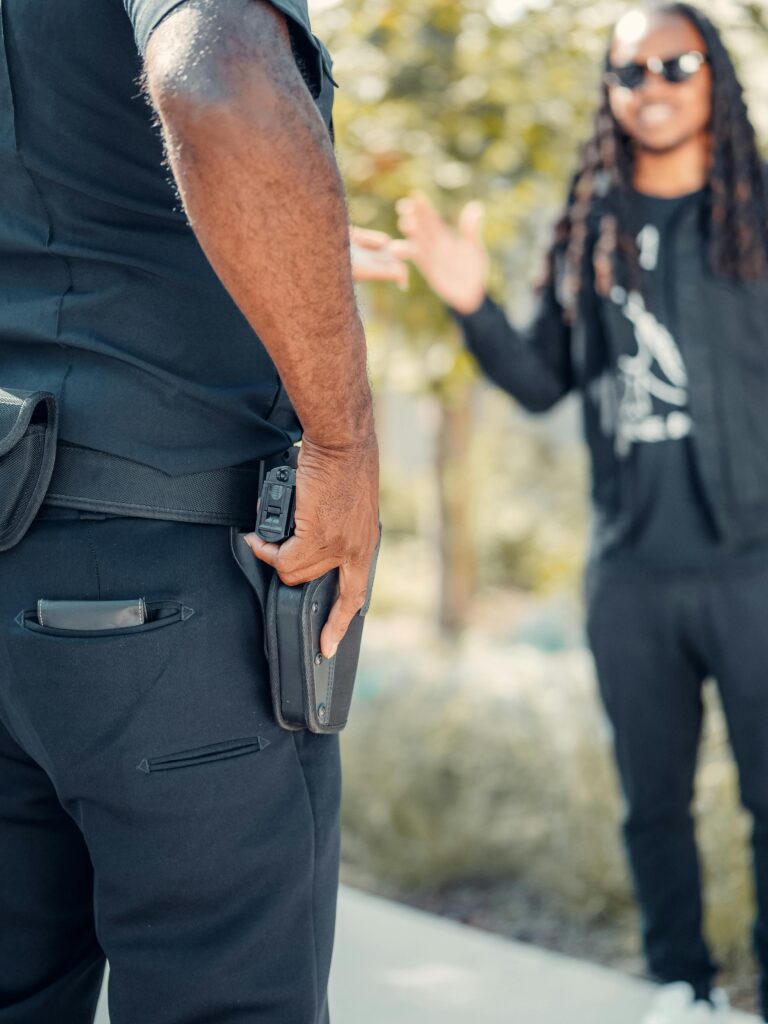
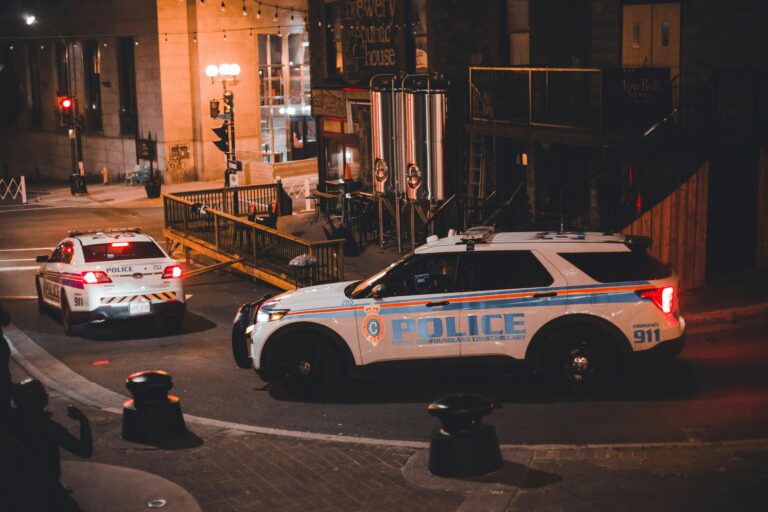
Then the patrol lights hit.
Immediately, emotions surged. The man became defensive, and the argument escalated.
Although officers eventually calmed things down, the presence of authority changed everything in seconds.
The 10 Second Rule for 911 Decision Making
Over time, I adopted what professionals often call the 10-second rule.
Before I act, I pause.
Then I observe.
Finally, I decide.
Step One: Observe Reality
I ask myself clear questions.
Is someone in immediate danger?
Is a crime happening right now?
Is there a serious injury?
If the answer is yes, I will call immediately.
Step Two: Watch the direction
Next, I look for movement in the situation.
Is it escalating or cooling off?
Sometimes people already walk away before things turn physical.
Step Three: Check My Position
I also consider my safety.
Am I too close?
Can I be seen?
Will my involvement make things worse?
When You Should Call Immediately
Certain moments require zero hesitation.
Active violence demands action.
Weapons change everything.
Medical emergencies need speed.
For guidance, I often refer to resources like the Federal Bureau of Investigation at https://www.fbi.gov and the North Carolina Department of Public Safety at https://www.ncdps.gov.
The Bottom Line
Experience has shaped how I respond.
I no longer react on impulse.
Instead, I rely on 911 decision-making built on awareness and control.
Those ten seconds give me clarity.
More importantly, they help prevent unnecessary escalation while still allowing fast action when it truly matters.