
The Night I Thought I Understood
My name is Bill Wilson, and I learned the hard way that two truths and a verdict do not arrive in court the way they live inside a man’s chest.
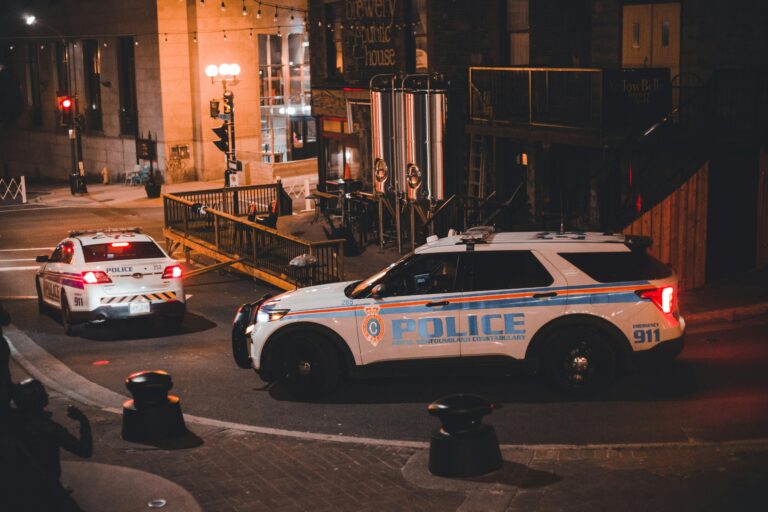
That night felt simple. A shadow moved where it should not have been. Then a hand flashed. Fear hit me fast, like a match striking dry tinder. I believed I had to act. In that moment, I focused only on the threat. I did not see the angles, ignored the distance, and missed the exits that stood open but unused.
At the time, my truth felt clear. I acted to protect my life.
The Court Saw Something Different
However, the court did not see my truth the same way.
Instead, the prosecutor built a case from structure and rules. My night became a timeline. My decisions became legal questions. They asked whether the threat was immediate and questioned whether my response matched the danger. Next, examined whether I could have retreated safely.
Then they presented evidence. Cameras showed movement. Measurements showed the distance. Messages added context. My fear mattered less than what they could prove.
The Jury Weighed the Pieces
Meanwhile, the jury received my story in fragments.
They watched still images, not motion. They read transcripts, not emotion. Some jurors felt sympathy. Others felt doubt. Each one followed instructions to rely on reason rather than instinct.
During deliberation, my certainty began to fade. They did not debate who I was. Instead, they focused on what the law required.
In the end, their verdict was unanimous and heavy.
The Defense Tried to Explain
Afterward, my defense attorney tried to explain my actions.
He spoke about how fear compresses time and described how the mind reacts under pressure. My lawyer argued that I was not reckless, only unprepared.
Even so, arguments cannot undo choices already made. North Carolina law drew a clear line. My actions landed on the wrong side.
The Silence That Teaches
Now, prison gives me a kind of silence I never knew before.
In that quiet, I replay everything. I see the gaps in my preparation and recognize where training could have slowed me down. Understanding how a plan might have changed my response and realizing that a pause could have given me another option.
Over time, I have learned something hard but true. Prevention requires courage, too.
What I Know Now
Today, my truth still lives with me. Yet it no longer decides my future.
So hear this clearly. Do not learn the law from a cell. Learn it before you ever need it.
Why Preparation Changes Everything
My story is not about intent. It is about preparation.
Everything changed in seconds. I never wanted to harm anyone. Still, I did not understand how the law defines deadly force, avoidance, and responsibility. The courtroom did not judge my fear. Instead, it judged my decisions against rules I never studied.
Because of that, I paid the price.
Choose Education Before Crisis
Fortunately, knowledge changes outcomes.
When you understand when not to act, you gain control, and you learn how to disengage safely, you create options. Studying how the law evaluates every step, you protect your future.
Prevention shows strength. Planning shows discipline.
Train for the Moment That Matters
Therefore, train with purpose.
Build situational awareness. Practice lawful use of force. Learn de-escalation. Study what happens after an incident, not just during it.
These skills do more than protect a case. They protect your life, protect your family, and protect everything you stand to lose.