
Introduction
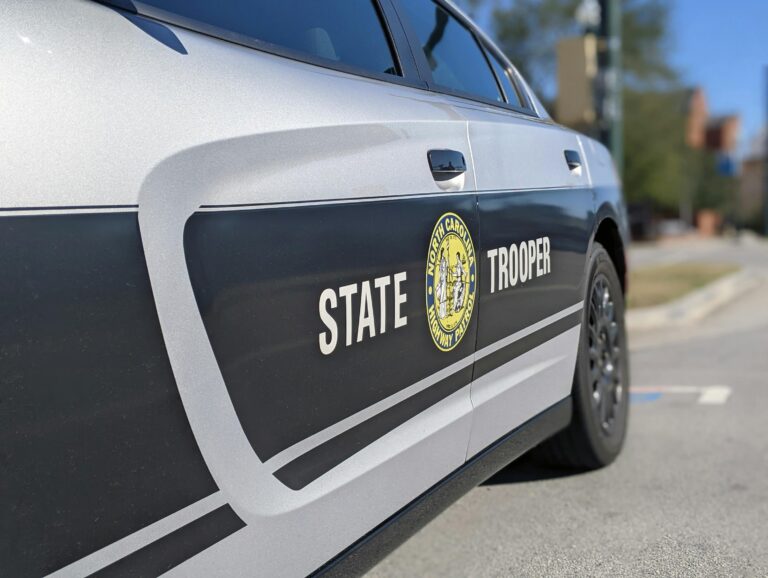
When I think about a North Carolina concealed carry police interaction, I focus on preparation, awareness, and respect. I carry legally, so I take responsibility for how I act during any encounter. Because these situations can escalate quickly, I stay calm and deliberate from the start.
In addition, I remind myself that every action I take matters. My goal is simple. I want the encounter to end safely for everyone involved.
Staying Calm and Setting the Tone
When an officer approaches me on the sidewalk, I immediately slow everything down. I keep my hands visible and avoid sudden movements. This approach helps reduce tension right away.
Next, I listen carefully. Officers give instructions for a reason, so I follow them without hesitation. If the officer asks questions, I answer clearly and truthfully. However, I do not volunteer unnecessary details.
Because attitude matters, I stay respectful at all times. A calm tone often shapes how the interaction unfolds.
Identification and Legal Compliance
If the officer asks for identification, I provide it promptly. I also present my concealed carry permit when appropriate. Keeping these items accessible helps avoid confusion.
Moreover, I avoid reaching into pockets quickly. Instead, I explain my movements before I make them. For example, I might say I am reaching for my wallet. That small step builds trust and prevents misunderstandings.
For official guidance, I rely on the North Carolina Department of Public Safety, which outlines expectations for lawful conduct.
Disclosing My Firearm
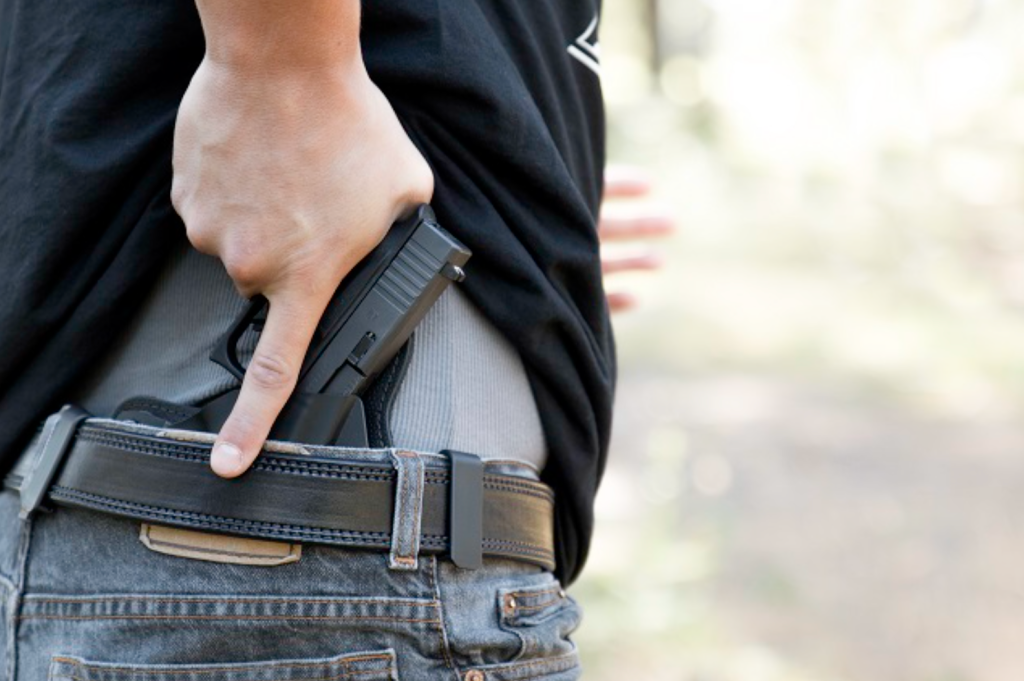
During a North Carolina concealed carry police interaction, I chose to inform the officer that I am carrying. While state law does not always require immediate disclosure, I prefer transparency.
I speak calmly and clearly. I state that I hold a concealed carry permit and am armed. Then I wait for instructions.
Importantly, I never touch the firearm unless directed to do so. Since officers are in control of the situation, I let them guide the next steps. This approach keeps everyone safe.
If the Encounter Happens While Driving
When I am in a vehicle, I stay inside unless instructed otherwise. I place my hands on the steering wheel where they are visible. At night, I turn on the interior light.
If the officer asks me to step out, I move slowly and follow directions exactly. I do not rush or argue. Instead, I focus on clear communication.
For additional legal context, I review resources such as the American Civil Liberties Union, which explains citizens’ rights during police encounters.
Knowing My Rights Without Escalating
I understand that I have the right to remain silent. I also know I can request an attorney if needed. However, I balance those rights with cooperation.
Therefore, I avoid confrontation. I do not argue on the sidewalk. If I believe something is wrong, I address it later through proper channels.
This mindset protects me legally while keeping the situation under control.
Why This Approach Matters
Every North Carolina concealed carry police interaction reflects both legal responsibility and personal discipline. I carry a firearm, so I accept a higher standard of behavior.
Because law enforcement officers face uncertainty, my calm actions help reduce risk. In return, I increase the likelihood of a smooth, professional encounter.
Ultimately, preparation makes the difference. When I stay composed, communicate clearly, and follow the law, I protect myself and everyone around me.
Resources
For more real-world safety strategies, visit: