Step-by-Step Guide for Real World Readiness
Introduction to concealed carry draw technique
I take my concealed carry draw technique seriously because it can decide how I respond in a real emergency. Therefore, I train with purpose and consistency. In addition, I focus on safe and efficient movement every time I practice.
I have learned that speed without control creates risk. However, smooth and repeatable motion builds confidence. As a result, I approach each draw with discipline and awareness.
Building My Foundation for a Safe Draw
I always begin with a stable stance. I keep my feet shoulder-width apart and balance my weight evenly. This position helps me stay grounded under stress.
Next, I stay aware of my surroundings. In addition, I make sure my clothing and holster allow a clean draw. Because of that, I avoid gear that snags or shifts.
I also follow core firearm safety rules. I keep my finger off the trigger until I decide to fire. For reference, I often review safety standards from the National Shooting Sports Foundation at https://www.nssf.org/safety/.
My Step-by-Step Concealed Carry Draw Technique
Establishing Grip and Control with Concealed Carry Draw Technique
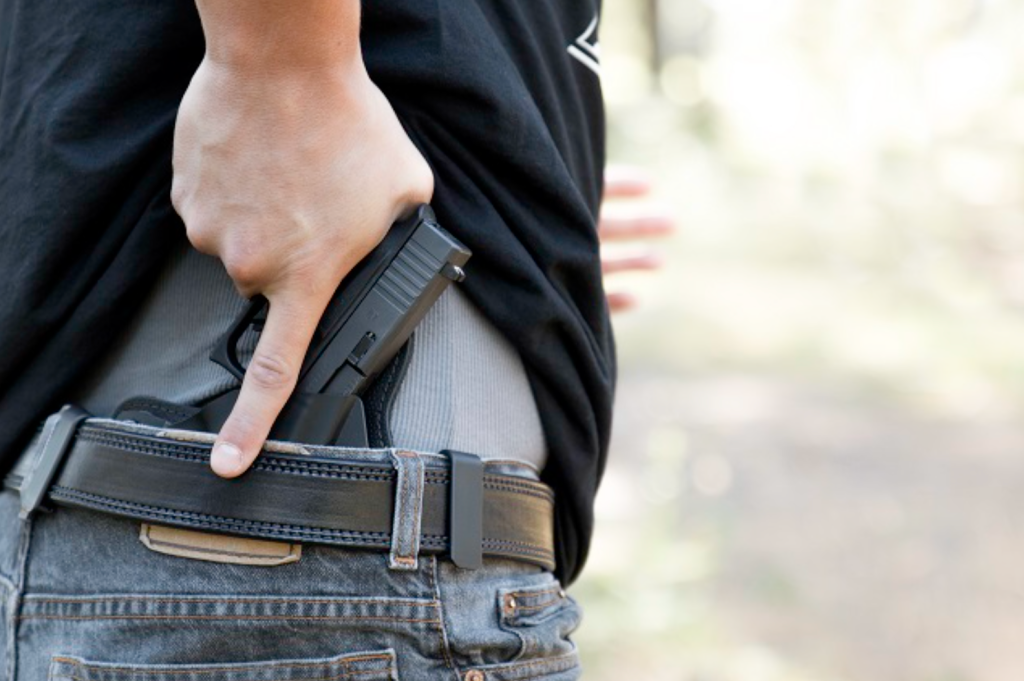
I reach for my handgun with my dominant hand. At the same time, I keep my fingers straight and off the trigger. Then I place my hand firmly on the grip while the firearm remains holstered.
As I secure my grip, I commit to control first. Therefore, I do not rush this step.
Drawing and Presenting the Firearm
I draw the handgun straight up from the holster. Then I rotate the muzzle toward the target as my elbow bends naturally. Because of this motion, I maintain control and direction.
Next, I bring the firearm toward my line of sight. In addition, I keep my movements tight and efficient.
Completing the Two-Handed Grip
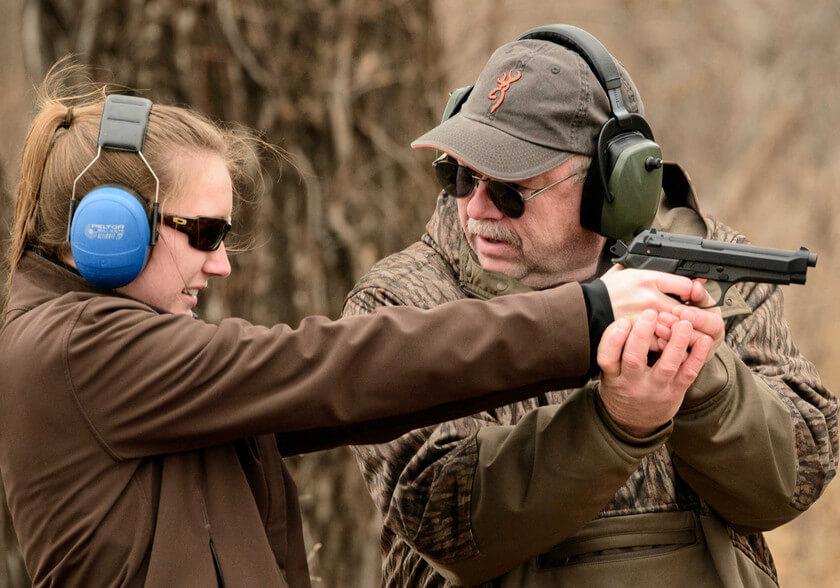
Once the handgun clears the holster, I bring my support hand in. I form a solid two-handed grip. As a result, I improve stability and accuracy.
I still keep my finger off the trigger. Only when I decide to fire do I move my finger into position.
Practicing My Concealed Carry Draw Technique Safely
I practice regularly because repetition builds muscle memory. However, I never practice carelessly. Instead, I confirm my firearm is unloaded before dry practice.
I also train with professionals when possible. For example, I review guidance from the United States Concealed Carry Association at https://www.usconcealedcarry.com/blog/.
In addition, I revisit internal training resources, such as https://psnc.info/home-defense-basics/, to reinforce fundamentals.
Why Consistency Matters to Me
I have learned that consistency creates confidence. Therefore, I repeat the same safe motions every time I train. Over time, my movements become automatic.
However, I never sacrifice safety for speed. Because of that mindset, I stay prepared without increasing risk.
Final Thoughts on My Training Approach
I treat every practice session as preparation for a real moment. As a result, I focus on control, awareness, and discipline. In addition, I stay committed to ongoing learning.
My goal remains simple. I want to respond effectively while staying within the law and maintaining safety at all times.